 By codebitmatrix@gmail.com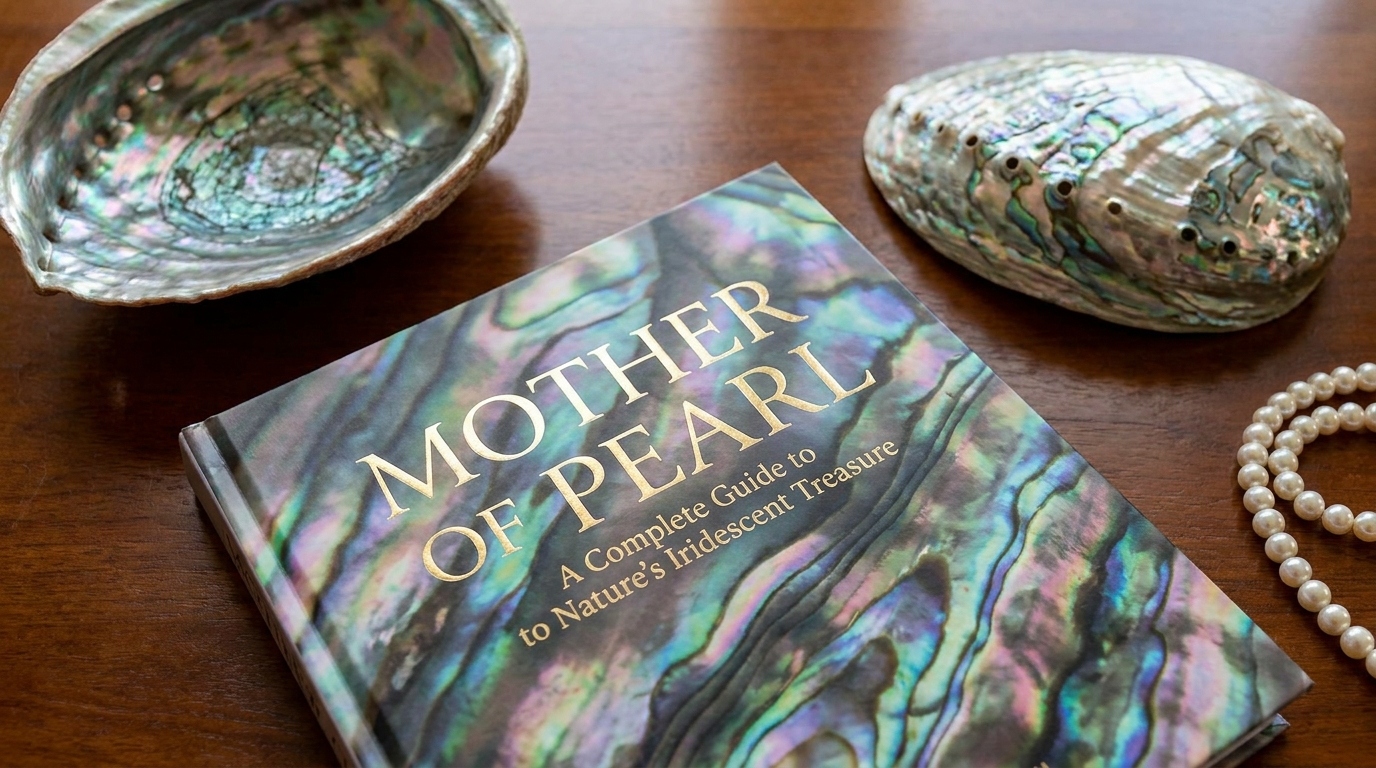
Mother of pearl is one of nature’s most beautiful and fascinating materials. Known for its shimmering iridescence and elegant appearance, it has been used for centuries in jewelry, home décor, musical instruments, architecture, luxury accessories, and fine craftsmanship. Found inside the shells of certain mollusks, mother of pearl is valued not only for its beauty but also for its durability and unique natural patterns.
From ancient civilizations to modern luxury brands, mother of pearl has remained a symbol of elegance, sophistication, and timeless design. Whether you’re interested in its origins, uses, care, or value, understanding mother of pearl helps you appreciate why it continues to be one of the world’s most sought-after natural materials.
This comprehensive guide explores everything you need to know about mother of pearl, including its formation, history, varieties, applications, benefits, maintenance, sustainability, and frequently asked questions.
What Is Mother of Pearl?
Mother of pearl, also known as nacre, is the smooth, iridescent inner layer found inside the shells of certain mollusks, including oysters, abalones, mussels, and freshwater pearls. It is composed mainly of microscopic layers of calcium carbonate held together by natural proteins, creating its signature shimmering effect.
Unlike pearls, which form around an irritant inside the shell, mother of pearl lines the shell itself and serves as a protective layer for the mollusk.
Its natural luster displays subtle shades of:
- White
- Cream
- Silver
- Pink
- Blue
- Green
- Gold
- Rainbow iridescence
Each shell produces unique color variations, making every piece of mother of pearl one of a kind.
You Might Also Like: Fraboc
How Mother of Pearl Is Formed
The formation of mother of pearl is a remarkable natural process. Mollusks continuously secrete thin layers of nacre inside their shells. These layers protect the soft body of the animal from parasites, debris, and environmental damage.
Over many years, thousands of microscopic layers accumulate, creating the smooth, durable, and iridescent surface that makes mother of pearl so distinctive.
The unique optical effect occurs because light reflects and refracts through these ultra-thin layers, producing the famous rainbow-like glow.
History of Mother of Pearl
The use of mother of pearl dates back thousands of years.
Ancient civilizations including the Egyptians, Romans, Chinese, Persians, and Indigenous cultures used it for decorative and ceremonial purposes.
Historically, mother of pearl appeared in:
- Royal jewelry
- Religious artifacts
- Decorative boxes
- Furniture inlays
- Musical instruments
- Weapons
- Clothing accessories
Its association with luxury and craftsmanship has continued throughout history, making it a prized material in many cultures.
Types of Mother of Pearl
Different mollusk species produce different varieties of mother of pearl.
White Mother of Pearl
The most common variety features bright white and cream tones with subtle rainbow reflections.
It is frequently used in:
- Jewelry
- Watches
- Buttons
- Decorative items
Black Mother of Pearl
Produced primarily by black-lipped oysters, this variety displays dark gray, green, blue, and purple hues.
Its dramatic appearance makes it popular in luxury jewelry and premium watch dials.
Golden Mother of Pearl
Golden-lipped oysters create warm golden shades that range from pale champagne to rich gold.
This variety is highly valued in fine jewelry.
Pink Mother of Pearl
Pink-toned nacre offers soft blush and rose colors that are especially popular in fashion accessories and decorative pieces.
Abalone Mother of Pearl
Abalone shells produce some of the most colorful mother of pearl, featuring vibrant combinations of:
- Blue
- Green
- Purple
- Pink
- Turquoise
Its striking colors make it a favorite among artisans and designers.
Where Mother of Pearl Comes From
Mother of pearl is harvested from various mollusks found in oceans and freshwater environments around the world.
Major producing regions include:
- Australia
- Indonesia
- Philippines
- Japan
- French Polynesia
- China
- New Zealand
- Mexico
Many farms now practice sustainable shell harvesting to protect marine ecosystems.
Uses of Mother of Pearl
The versatility of mother of pearl makes it suitable for countless applications.
Jewelry
Perhaps its most well-known use is in jewelry.
Common pieces include:
- Necklaces
- Earrings
- Rings
- Bracelets
- Pendants
- Brooches
Designers appreciate its elegant shimmer and timeless appeal.
Luxury Watches
Many premium watch brands use mother of pearl for watch dials because its natural iridescence creates a sophisticated appearance.
Each dial is unique due to the natural shell patterns.
Musical Instruments
High-quality instruments often feature mother of pearl inlays.
Examples include:
- Guitars
- Violins
- Mandolins
- Pianos
- Accordions
The decorative inlays enhance both beauty and craftsmanship.
Home Décor
Interior designers incorporate mother of pearl into:
- Mirrors
- Picture frames
- Furniture
- Cabinets
- Decorative trays
- Wall art
- Vases
Its reflective qualities add elegance to living spaces.
Buttons and Fashion Accessories
For centuries, natural shell buttons made from mother of pearl have been valued for their durability and attractive appearance.
It is also used in:
- Belt buckles
- Hair accessories
- Handbag decorations
- Eyewear
Benefits of Mother of Pearl
There are many reasons why mother of pearl remains highly desirable.
Unique Natural Beauty
No two pieces look exactly alike.
Natural color variations ensure every item is distinctive.
Durability
Although delicate compared to gemstones, mother of pearl is surprisingly durable when properly cared for.
Its layered structure provides strength while maintaining elegance.
Timeless Appeal
Unlike many design trends, mother of pearl has remained fashionable for centuries.
Its classic appearance complements both traditional and contemporary styles.
Versatility
Its ability to pair with gold, silver, platinum, wood, and gemstones makes mother of pearl suitable for countless designs.
Mother of Pearl vs Pearls
People often confuse mother of pearl with pearls.
The key differences include:
| Feature | Mother of Pearl | Pearl |
| Location | Inner shell lining | Forms inside mollusk |
| Structure | Flat nacre layers | Rounded nacre layers |
| Use | Decorative surfaces | Jewelry gemstones |
| Shape | Sheets or panels | Spherical or irregular |
Although both consist largely of nacre, they serve different purposes.
Caring for Mother of Pearl
Proper care helps preserve the beauty of mother of pearl.
Recommended care includes:
- Clean with a soft cloth.
- Use mild soap if necessary.
- Avoid harsh chemicals.
- Store separately from harder gemstones.
- Protect from excessive heat.
- Avoid prolonged exposure to perfumes.
Gentle handling helps maintain its natural shine.
Is Mother of Pearl Sustainable?
Sustainability has become increasingly important in shell harvesting.
Many responsible producers now collect shells from pearl farming operations where the mollusks have already completed their productive life cycle.
This approach reduces waste while supporting environmentally responsible practices.
Consumers interested in sustainable products should purchase from reputable suppliers.
Modern Applications
Technology and design continue expanding the uses of mother of pearl.
Today it appears in:
- Smartphone accessories
- Luxury electronics
- Designer furniture
- Premium packaging
- Custom artwork
- Architectural panels
Modern manufacturing techniques allow artisans to incorporate mother of pearl into increasingly innovative products.
Interesting Facts About Mother of Pearl
Here are a few fascinating facts:
- It is made primarily of calcium carbonate.
- It is naturally produced by mollusks.
- Its iridescence results from microscopic layered structures.
- It has been used for thousands of years.
- Every piece displays unique patterns.
- It remains popular in luxury craftsmanship worldwide.
Buying Mother of Pearl
When purchasing mother of pearl, consider:
- Natural color quality
- Surface smoothness
- Iridescence
- Craftsmanship
- Ethical sourcing
- Overall finish
Higher-quality pieces display consistent luster with minimal imperfections.
Frequently Asked Questions
What is mother of pearl?
Mother of pearl is the iridescent inner shell layer of certain mollusks, composed primarily of nacre.
Is mother of pearl the same as a pearl?
No. Mother of pearl lines the shell, while pearls form inside the mollusk around an irritant.
Is mother of pearl durable?
Yes. With proper care, mother of pearl is durable enough for jewelry, watches, décor, and fashion accessories.
Can mother of pearl get wet?
Occasional contact with water is generally safe, but prolonged soaking and exposure to harsh chemicals should be avoided.
Why is mother of pearl so colorful?
Its shimmering colors result from light interacting with microscopic layers of nacre inside the shell.
Is mother of pearl expensive?
Prices vary depending on quality, species, craftsmanship, and rarity. High-quality pieces used in luxury products can be quite valuable.
Conclusion
Mother of pearl has captivated people for centuries with its luminous beauty, unique iridescence, and remarkable versatility. From elegant jewelry and luxury watches to fine furniture, musical instruments, and decorative art, this natural material continues to be prized for both its aesthetic appeal and timeless sophistication.
As sustainable harvesting practices become more common, mother of pearl remains a responsible choice for consumers seeking natural elegance. Whether you’re purchasing a piece of jewelry, decorating your home, or simply appreciating the wonders of marine life, mother of pearl stands as a lasting example of nature’s extraordinary craftsmanship.