cultural
Hitaar: Exploring Innovation, Culture, and Modern Applications

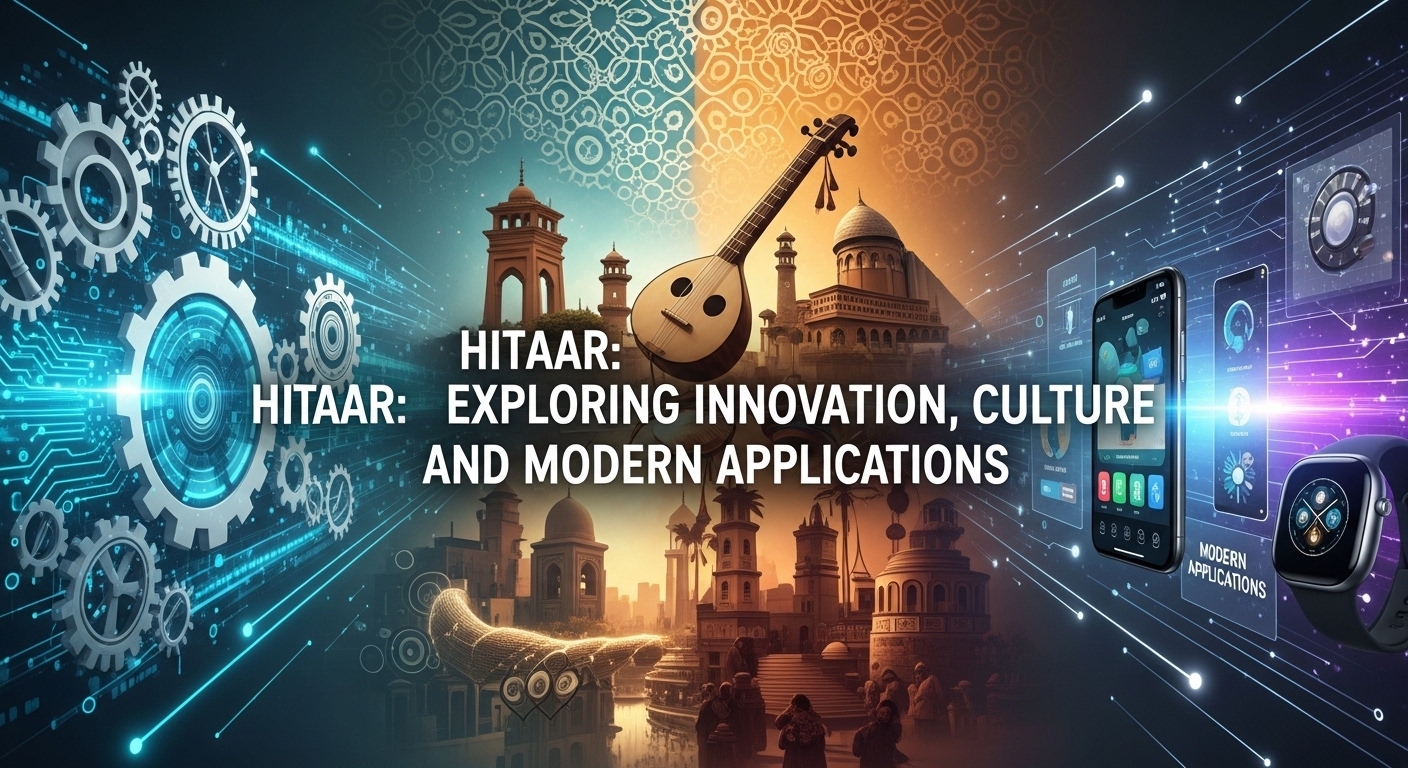
In a world that is constantly evolving, the concept of Hitaar is gaining attention for its unique blend of innovation, cultural relevance, and practical applications. Hitaar represents more than just a term; it symbolizes a framework, philosophy, or approach that bridges traditional knowledge with modern practices, helping individuals, businesses, and communities thrive in an ever-changing environment.
This article delves into the origins of Hitaar, its applications across various fields, its cultural significance, and how it can be integrated into daily life to foster growth, creativity, and sustainability.
What Is Hitaar?
It is a multidimensional concept that combines innovation, structure, and cultural awareness. At its core, it emphasizes the balance between preserving traditional wisdom and embracing modern technologies and methodologies. Hitaar is not just theoretical—it has practical implications for development, creativity, collaboration, and leadership.
Key Principles of Hitaar
- Balance Between Tradition and Modernity
Hitaar encourages respecting historical practices while applying contemporary tools to improve efficiency and outcomes. - Innovation-Driven Approach
Innovation lies at the heart of Hitaar, making it applicable in technology, business, education, and the arts. - Collaborative Framework
Hitaar supports team collaboration and community engagement, ensuring collective progress and knowledge sharing. - Sustainability Focus
Hitaar incorporates long-term thinking, emphasizing sustainable practices that respect both the environment and cultural heritage.
The Origins of Hitaar
The roots of Hitaar can be traced to ancient philosophies that emphasized harmony, community, and practical wisdom. Over centuries, these principles have been adapted to suit modern societal needs. Scholars and innovators have gradually codified Hitaar into frameworks that can be applied across different sectors, from education and business to urban planning and technological development.
Applications of Hitaar in Modern Life
It’s versatility makes it suitable for a wide range of practical uses:
1. Education and Skill Development
It can guide educational frameworks by combining traditional teaching methods with modern technology. Adaptive learning systems, cultural studies, and mentorship programs can be structured around its principles to foster holistic learning.
2. Business and Entrepreneurship
Businesses adopting Hitaar can create flexible and adaptive organizational models. By integrating cultural insights and modern innovation, companies can enhance team collaboration, develop creative solutions, and maintain a competitive edge in dynamic markets.
3. Technology and Innovation
In tech, Hitaar encourages developers to respect foundational principles while creating innovative solutions. Software, applications, and platforms can be designed to be user-friendly, scalable, and culturally sensitive, reflecting Hitaar’s balanced approach.
4. Arts and Cultural Preservation
Artists, musicians, and writers can leverage Hitaar to combine classical techniques with modern experimentation, ensuring that cultural heritage is preserved while pushing creative boundaries.
5. Community Development
Communities can apply Hitaar to urban planning, sustainability projects, and cultural programs. This promotes social cohesion, economic growth, and the preservation of historical identity.
Benefits of Practicing Hitaar
Adopting Hitaar in personal, professional, or community settings can bring multiple benefits:
- Enhanced Creativity
By combining traditional wisdom with modern techniques, individuals and teams can generate innovative ideas. - Cultural Awareness
Hitaar encourages respect for heritage, fostering understanding and appreciation for diverse cultures. - Improved Productivity
Structured methods under Hitaar principles streamline processes and reduce inefficiencies. - Sustainable Growth
Long-term planning and sustainable practices are core to Hitaar, ensuring resources are used responsibly. - Collaboration and Community Building
Its focus on collective growth strengthens relationships and encourages knowledge sharing.
How to Implement Hitaar in Daily Life
Integrating Hitaar doesn’t require large-scale projects. Simple steps can bring its principles into everyday routines:
- Mindful Planning: Prioritize tasks that combine efficiency with ethical or cultural awareness.
- Creative Practices: Use art, writing, or design to explore the balance between old and new.
- Community Engagement: Participate in local projects, workshops, or mentorship programs.
- Sustainable Choices: Make decisions that minimize environmental impact while respecting traditions.
- Learning and Adaptation: Stay open to new knowledge while valuing past experiences.
Hitaar in Professional Settings
Businesses and organizations can greatly benefit from adopting Hitaar:
- Project Management: Hitaar frameworks allow structured yet flexible approaches to project planning and execution.
- Team Collaboration: By emphasizing balance and cultural awareness, teams work more harmoniously and effectively.
- Innovation Pipelines: Companies can foster creativity by blending classical methods with cutting-edge technology.
- Leadership Development: Hitaar encourages leaders to combine emotional intelligence, cultural insight, and strategic thinking.
Case Studies and Examples
- Tech Startups: Startups applying Hitaar principles have created products that are culturally sensitive and scalable globally.
- Educational Institutions: Schools using Hitaar-inspired curriculums show improved student engagement and creativity.
- Cultural Projects: Museums and art centers incorporating Hitaar successfully bridge heritage preservation with interactive modern exhibits.
Challenges in Applying Hitaar
While It has many benefits, there are challenges to consider:
- Complexity in Integration: Balancing tradition with innovation can be complex, requiring thoughtful planning.
- Resource Requirements: Effective implementation may require time, skilled personnel, and funding.
- Resistance to Change: Some stakeholders may be hesitant to adopt new frameworks that reinterpret tradition.
- Cultural Sensitivity: Misunderstanding cultural aspects can lead to missteps, requiring careful research and engagement.
The Future of Hitaar
It is poised to grow in relevance as societies continue to seek frameworks that integrate cultural respect with innovation. Emerging technologies like artificial intelligence, green energy solutions, and global collaboration platforms offer opportunities to expand Hitaar applications across industries.
Future developments may include:
- AI-Driven Cultural Insights: Tools that help businesses and creators apply Hitaar in culturally aware ways.
- Sustainable Urban Planning: Cities designed with Hitaar principles to balance modern infrastructure with local heritage.
- Global Educational Programs: Curriculums integrating tradition and innovation inspired by Hitaar principles.
Conclusion
Hitaar represents a unique pathway for integrating tradition, innovation, and structured development. Whether in personal growth, business, technology, or culture, it offers a flexible yet robust framework that supports creativity, collaboration, and sustainability.
By embracing Hitaar, individuals and organizations can navigate modern challenges while preserving cultural heritage, ensuring that innovation does not come at the cost of identity or ethical considerations. In a rapidly evolving world, It provides a compass for balanced growth, mindful innovation, and meaningful connection.

-
Uncategorized1 month ago
Hello world!
-

 food2 days ago
“Tahhiini: The Creamy Sesame Spread You Need to Know About”
-

 Health2 days ago
Provascin: The Comprehensive Guide to Its Benefits, Uses, and Effects
-

 lifestyle1 day ago
Novafork: Revolutionizing the Way We Experience Modern Dining
-

 Technology3 days ago
tumbons: A Complete Guide to Understanding Its Meaning, Uses, and Growing Importance