Health
Provascin: The Comprehensive Guide to Its Benefits, Uses, and Effects

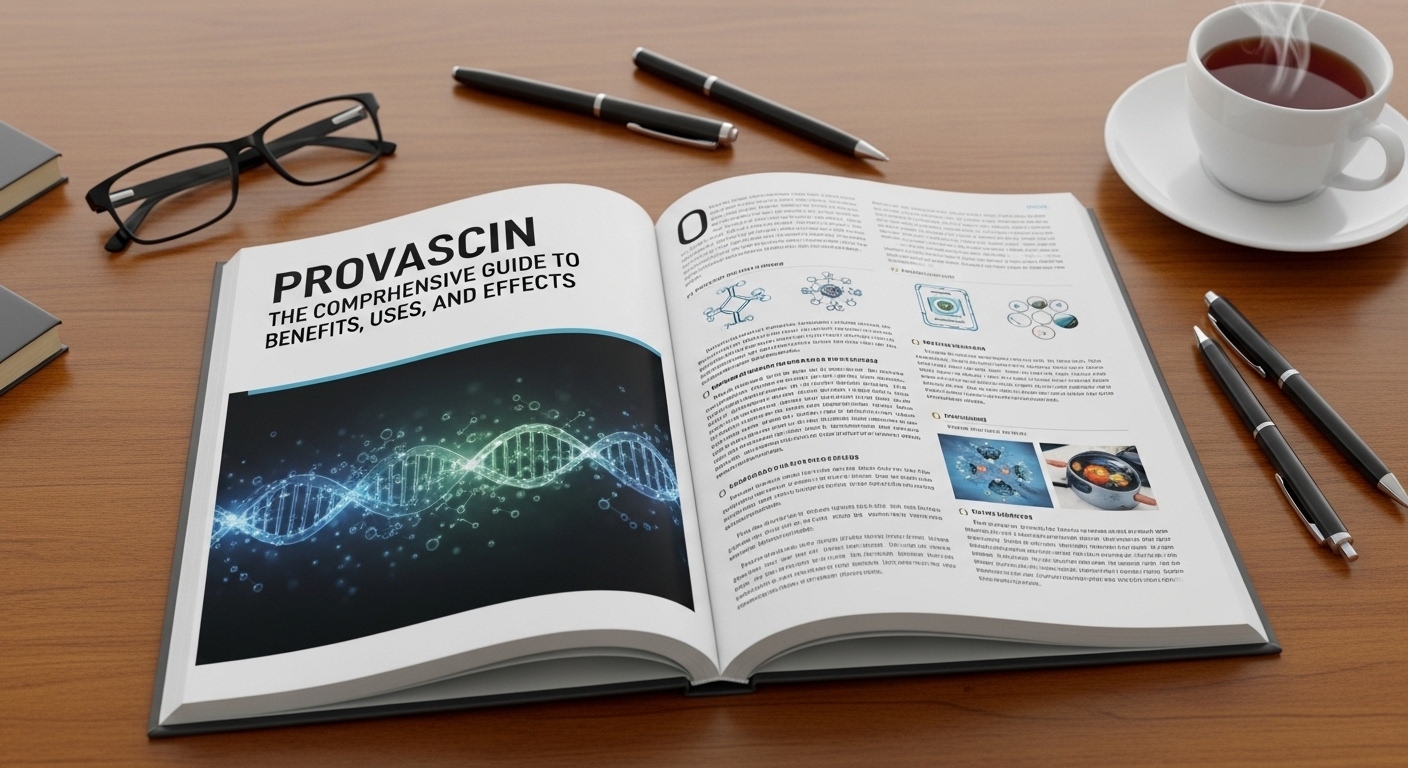
In the realm of dietary supplements and cardiovascular health, Provascin has emerged as a topic of interest for many health-conscious individuals. Designed to support healthy blood flow and promote cardiovascular wellness, Provascin has gained attention for its potential benefits and natural formulation. Whether you are exploring ways to enhance heart health or seeking solutions for circulation-related concerns, understanding Provascin and how it works is essential. This article delves deeply into its composition, benefits, usage, and considerations, providing a comprehensive guide for anyone interested in improving their overall well-being.
What Is Provascin?
Provascin is a dietary supplement primarily marketed for cardiovascular support. Its formulation typically includes natural ingredients that are believed to improve circulation, support healthy blood pressure, and maintain overall vascular health. Unlike prescription medications, Provascin is often promoted as a natural alternative aimed at supporting heart and vein function rather than treating medical conditions directly.
The supplement’s primary focus is to enhance circulation, which plays a critical role in overall health. Proper blood flow ensures that oxygen and nutrients reach every cell efficiently, contributing to better energy levels, organ function, and overall wellness.
Key Ingredients of Provascin
Understanding the composition of Provascin helps users appreciate how it may provide health benefits. While formulations can vary slightly by manufacturer, the common ingredients often include:
- Hawthorn Berry Extract – Known for its cardiovascular benefits, hawthorn berry may support heart function and promote healthy blood pressure levels.
- Grape Seed Extract – Rich in antioxidants, grape seed extract can help protect blood vessels from oxidative stress and promote vascular health.
- L-Arginine – An amino acid that assists in producing nitric oxide, which relaxes blood vessels and improves circulation.
- Green Tea Extract – Contains polyphenols and antioxidants that support cardiovascular and metabolic health.
- Citrus Bioflavonoids – Believed to strengthen capillaries and improve the elasticity of blood vessels.
- Vitamin C – Plays a role in collagen production and helps maintain the integrity of arteries and veins.
Each ingredient contributes to the overall aim of Provascin: supporting the cardiovascular system, enhancing blood flow, and providing antioxidant protection for the circulatory system.
How Provascin Works
The effectiveness of Provascin lies in its multi-faceted approach to cardiovascular support. Here’s how the supplement generally works:
- Improving Circulation: Ingredients like L-Arginine and hawthorn berry help dilate blood vessels, enhancing blood flow to the heart, brain, and extremities.
- Supporting Vascular Health: Citrus bioflavonoids and grape seed extract strengthen the walls of blood vessels, making them more resilient and flexible.
- Reducing Oxidative Stress: Antioxidants in green tea and grape seed extract combat free radicals that can damage blood vessels and contribute to cardiovascular issues.
- Maintaining Healthy Blood Pressure: By promoting vessel elasticity and improving circulation, Provascin may help regulate blood pressure within a healthy range.
Through this combination of effects, the supplement aims to provide holistic support to the cardiovascular system without relying on harsh synthetic compounds.
Benefits of Using Provascin
Many users turn to Provascin to enhance cardiovascular health and improve overall well-being. While individual results may vary, the commonly reported benefits include:
- Enhanced Circulation – Improved blood flow can help reduce feelings of fatigue and support overall energy levels.
- Heart Health Support – By maintaining vessel flexibility and supporting optimal blood pressure, Provascin contributes to cardiovascular wellness.
- Antioxidant Protection – Natural antioxidants in the formula help defend against oxidative stress, protecting the heart and blood vessels.
- Improved Vein Function – Ingredients like citrus bioflavonoids may assist in reducing discomfort related to poor circulation or minor vein issues.
- Overall Wellness – Better circulation and cardiovascular support can enhance the body’s nutrient delivery and energy efficiency.
It’s important to note that Provascin is not a replacement for medical care. It should be viewed as a supportive supplement that works best alongside a healthy lifestyle, including proper diet, regular exercise, and routine medical checkups.
Who Can Benefit from Provascin?
Provascin is often recommended for adults who want to maintain cardiovascular health, especially those who:
- Experience occasional circulation problems, such as cold hands and feet or mild swelling in the legs.
- Are concerned about maintaining heart and vessel health as they age.
- Seek natural dietary supplements to complement a balanced diet.
- Desire antioxidant support to combat oxidative stress from environmental factors or lifestyle choices.
While Provascin may offer benefits, it is crucial for individuals with serious cardiovascular conditions to consult a healthcare professional before adding any supplement to their routine.
Recommended Dosage and Usage
Dosage guidelines for Provascin typically depend on the manufacturer’s instructions. Most supplements are designed for daily use, often taken with meals to enhance absorption and minimize gastrointestinal discomfort.
Key considerations include:
- Consistency: Daily use is recommended to experience potential benefits.
- Dosage: Follow the label instructions carefully; exceeding recommended doses does not necessarily improve results.
- Hydration: Drinking plenty of water can support circulation and the body’s absorption of nutrients.
- Lifestyle Integration: Combining Provascin with regular exercise, a balanced diet, and stress management can optimize its effects.
Potential Side Effects
Provascin is generally considered safe for most adults when used as directed. However, some users may experience mild side effects due to its active ingredients, such as:
- Digestive upset or mild nausea, particularly if taken on an empty stomach.
- Headache or lightheadedness in rare cases, often related to changes in blood flow.
- Allergic reactions in individuals sensitive to certain plant-based components, like green tea or citrus bioflavonoids.
It is essential to discontinue use and consult a healthcare provider if any severe or persistent side effects occur. Pregnant or breastfeeding women, as well as individuals taking medications for blood pressure or heart conditions, should seek medical advice before using the supplement.
Lifestyle Tips to Enhance Cardiovascular Health Alongside Provascin
While Provascin offers cardiovascular support, incorporating healthy lifestyle habits can maximize results:
- Balanced Diet – Include fruits, vegetables, whole grains, lean proteins, and heart-healthy fats.
- Regular Exercise – Cardiovascular activities such as walking, cycling, or swimming improve blood circulation.
- Stress Management – Practices like meditation, yoga, and deep breathing help maintain healthy blood pressure.
- Adequate Sleep – Quality sleep supports overall heart and vascular health.
- Avoid Smoking and Excessive Alcohol – Both can negatively impact circulation and cardiovascular function.
Combining these habits with Provascin may provide a more comprehensive approach to maintaining long-term cardiovascular wellness.
Comparing Provascin with Other Supplements
When compared to other cardiovascular supplements, Provascin is distinguished by its focus on natural ingredients and multi-targeted approach. Unlike single-ingredient products, it combines antioxidants, amino acids, and plant extracts to support circulation, vessel health, and blood pressure.
Some similar supplements may focus solely on nitric oxide production, omega-3 fatty acids, or herbal extracts. Provascin’s formulation aims to offer a balanced blend of multiple mechanisms that contribute to heart and vascular health.
Scientific Perspective on Provascin
While Provascin contains ingredients with documented cardiovascular benefits, it is important to understand that not all supplements undergo extensive clinical trials. Ingredients like hawthorn berry, L-arginine, and grape seed extract have shown promise in supporting heart function, improving circulation, and reducing oxidative stress.
However, the effectiveness of any supplement can vary based on individual physiology, diet, lifestyle, and overall health. Therefore, while Provascin may provide support, it is not a substitute for prescription medications or professional medical guidance.
Conclusion
Provascin represents a modern approach to cardiovascular support, offering a blend of natural ingredients aimed at enhancing circulation, supporting vessel health, and providing antioxidant protection. Its combination of hawthorn berry, grape seed extract, L-arginine, and other plant-based nutrients makes it an appealing option for adults seeking a holistic supplement for heart and vascular wellness.
While results may vary, integrating Provascin with a balanced diet, regular exercise, and a healthy lifestyle can optimize cardiovascular health. As with any supplement, consulting a healthcare provider is recommended, particularly for individuals with pre-existing conditions or those taking medications.
Ultimately, Provascin offers a natural and thoughtful approach to supporting one of the body’s most critical systems—the cardiovascular system—helping individuals take proactive steps toward long-term health and vitality.

Achieving optimal vitality requires more than just occasional exercise or a temporary diet change. It demands a holistic approach that connects your physical, mental, and environmental well-being. Finding reliable, science-backed information can feel overwhelming when you want to make lasting lifestyle changes.
The resource health threetrees com vn offers a foundation for building a healthier, more balanced life. True wellness is like a deeply rooted tree. It requires consistent nourishment, a strong foundation, and the right environment to flourish. We will explore the core pillars of total health, breaking down actionable strategies you can implement right away.
By the end of this guide, you will understand how to optimize your nutrition, establish meaningful movement routines, and cultivate the mental resilience needed to thrive. Let us explore the fundamental steps toward comprehensive well-being.
The Foundation of Complete Wellness
Your well-being relies on interconnected systems working together. You cannot separate physical health from mental clarity or environmental factors. Building a robust health foundation means addressing all these areas simultaneously, creating a lifestyle that supports natural healing and sustained energy.
Read: Acamento
When exploring health threetrees com vn, you will notice a strong emphasis on this interconnected approach. Treating symptoms is not enough. You must address the root causes of fatigue, stress, and poor health by nurturing your mind and body every single day.
Nourishing the Physical Body
Physical health starts at the cellular level. Every system in your body requires specific nutrients, adequate oxygen, and proper maintenance to function correctly. This means paying close attention to what you consume, how you move, and how well you rest.
Building physical resilience helps you fight off illness and recover from daily stress. It involves creating consistent habits around your sleep schedule, hydration, and nutritional intake. Small, daily choices compound over time to create profound changes in your overall physical vitality.
Cultivating Mental Clarity
Your mind controls your physical responses. Chronic stress elevates cortisol levels, which can lead to inflammation, weight gain, and compromised immunity. Managing your mental health is a crucial component of your overall wellness strategy.
Practices like mindfulness, meditation, and deep breathing exercises help regulate your nervous system. By prioritizing mental clarity, you improve your focus, emotional regulation, and decision-making abilities. A calm mind translates to a healthier body, making stress management a non-negotiable part of your daily routine.
Nutrition Strategies for Optimal Vitality
Food acts as the ultimate medicine for your body. The nutrients you consume dictate your energy levels, cognitive function, and immune response. A balanced diet provides the raw materials your body needs to repair tissues, balance hormones, and generate energy.
Whole Foods and Plant-Based Power
Prioritizing whole, unprocessed foods is the most effective way to improve your nutrition. Vegetables, fruits, whole grains, nuts, and seeds contain essential vitamins, minerals, and antioxidants. These compounds fight oxidative stress and keep your cells functioning optimally.
Focus on colorful plates to ensure you get a wide spectrum of nutrients. Dark leafy greens, bright berries, and vibrant root vegetables offer unique health benefits. Minimizing refined sugars and processed foods will stabilize your blood sugar, preventing the energy crashes that disrupt your day.
Hydration and Cellular Health
Water facilitates every chemical reaction in your body. Proper hydration improves digestion, flushes toxins, and keeps your joints lubricated. Despite its importance, many people operate in a state of mild, chronic dehydration.
Aim to drink enough water so that your urine is pale yellow. You can also boost your hydration by consuming water-rich foods like cucumbers, watermelon, and celery. Starting your morning with a large glass of water kickstarts your metabolism and rehydrates your body after a long night of sleep.
Gut Health and Immunity
Your digestive tract houses a massive portion of your immune system. The bacteria living in your gut influence your mood, digestion, and ability to fight off infections. Supporting these beneficial bacteria is essential for total-body wellness.
Incorporate fermented foods like yogurt, kefir, sauerkraut, and kimchi into your diet to introduce healthy probiotics. Additionally, feed these good bacteria with prebiotic-rich foods such as garlic, onions, asparagus, and bananas. A thriving gut microbiome leads to better nutrient absorption and a more robust immune system.
Movement and Active Living
The human body is designed for regular movement. Sedentary lifestyles contribute to a host of chronic conditions, including cardiovascular disease, obesity, and joint stiffness. Integrating physical activity into your daily life is vital for maintaining strength, flexibility, and cardiovascular endurance.
Functional Fitness Daily
You do not need to spend hours in the gym to reap the benefits of exercise. Functional fitness focuses on movements that mimic daily activities, improving your overall quality of life. Squats, lunges, pushing, and pulling exercises build the strength necessary for effortless daily functioning.
Find activities you genuinely enjoy to ensure consistency. Whether it is swimming, cycling, brisk walking, or weightlifting, regular movement keeps your heart healthy and your muscles engaged. Aim for a mix of cardiovascular exercise and strength training to achieve a well-rounded fitness profile.
The Importance of Flexibility and Mobility
Strength and endurance must be balanced with flexibility. Tight muscles limit your range of motion and increase your risk of injury. Incorporating stretching and mobility work into your routine keeps your joints healthy and your movements fluid.
Practices like yoga and Pilates are excellent for improving both flexibility and core strength. Spending just ten minutes a day working on your mobility can alleviate back pain, improve your posture, and help you move more freely throughout your day.
Recovery and Rest
Exercise breaks down muscle tissue; recovery is when your body rebuilds it stronger. Overtraining without adequate rest leads to burnout, fatigue, and injury. You must prioritize recovery just as highly as you prioritize your workouts.
Active recovery days, where you engage in light activities like walking or gentle stretching, promote blood flow and aid muscle repair. Pair this with high-quality sleep to maximize your body’s natural healing processes. Listening to your body and taking rest days when needed is a sign of a sustainable fitness routine.
Connecting with Nature and Environment
Your surroundings significantly impact your physical and psychological health. Spending time in natural environments lowers stress hormones, reduces blood pressure, and improves your overall mood. Environmental wellness is a core theme you will often find discussed on health threetrees com vn.
The Healing Power of the Outdoors
Exposure to natural light helps regulate your circadian rhythm, which governs your sleep-wake cycle. Getting outside, especially in the morning, signals to your brain that it is time to be alert. This exposure naturally boosts your energy levels and improves your sleep quality at night.
Nature walks or simply sitting in a park can clear your mind and reduce anxiety. Fresh air and the sights and sounds of the outdoors provide a mental break from screens and artificial environments. Make it a habit to spend at least twenty minutes outside every day.
Creating a Healthy Home Environment
Your home should be a sanctuary that supports your wellness goals. Indoor air quality, lighting, and organization all play a role in how you feel physically and mentally. A cluttered, poorly ventilated space can increase stress and exacerbate respiratory issues.
Open your windows regularly to circulate fresh air. Incorporate indoor plants to naturally filter indoor pollutants and add a calming, natural element to your space. Designate specific areas for rest and relaxation, keeping your bedroom cool, dark, and free from electronic distractions to promote deep sleep.
Mental Resilience and Stress Management
Life will always present challenges and stressors. How you respond to these challenges determines your long-term health outcomes. Building mental resilience allows you to navigate difficult situations without compromising your physical well-being.
Developing a Mindful Routine
Mindfulness involves staying present and fully engaging with the current moment. This practice prevents your mind from dwelling on past regrets or worrying about future uncertainties. Simple habits can cultivate a more mindful approach to daily life.
Start by eating mindfully—paying attention to the taste, texture, and aroma of your food without the distraction of a television or phone. Practice deep, intentional breathing when you feel overwhelmed. These small moments of presence reduce the physiological impact of stress on your body.
The Value of Social Connection
Human beings are inherently social creatures. Strong relationships and a supportive community are linked to longer lifespans and better mental health outcomes. Isolation, conversely, can be as detrimental to your health as smoking or physical inactivity.
Nourish your relationships with family and friends. Join local clubs, volunteer, or participate in group fitness classes to meet like-minded individuals. Sharing your wellness journey with others provides accountability, encouragement, and a profound sense of belonging.
Conclusion
Achieving a state of vibrant health requires a proactive and holistic approach. By addressing your nutrition, movement, mental clarity, and environment, you create an ecosystem within your body where wellness can thrive.
Remember that perfection is not the goal. Focus on making small, consistent improvements to your daily habits. Drink more water, add extra vegetables to your meals, take a walk outside, and prioritize your sleep. Over time, these minor adjustments will transform your overall vitality.
Continue educating yourself and seeking out reliable resources. The platform health threetrees com vn provides ongoing guidance to support your journey toward optimal well-being. Start applying these principles today, and take control of your health for a stronger, more energized future.

When a loved one faces a medical crisis, the path to recovery often requires significant lifestyle changes. One of the most challenging transitions is dealing with acamento, a term often used to describe the state of being bedridden or undergoing prolonged bed rest. Whether it stems from aging, chronic illness, or post-surgical recovery, this condition demands comprehensive care and deep understanding.
Managing acamento goes far beyond simply providing a comfortable bed. It requires a holistic approach that addresses physical health, emotional well-being, and caregiver support. Without proper management, prolonged immobility can lead to severe complications.
You Might Also Like: Provascin
This guide explores the realities of acamento. We will break down its primary causes, examine its physical and psychological impacts, and provide actionable strategies to improve the quality of life for both patients and their caregivers.
What Causes Acamento?
People transition into a bedridden state for various reasons. Understanding the root cause helps caregivers and medical professionals tailor their approach to treatment and daily management.
Severe Medical Conditions
Chronic illnesses often serve as the primary catalyst for acamento. Conditions like advanced Parkinson’s disease, severe strokes, or late-stage multiple sclerosis severely limit mobility. As these diseases progress, patients lose the muscle strength and coordination required to walk or stand safely. In these cases, the bed becomes the safest place to prevent falls and manage complex symptoms.
Post-Surgical Recovery
Not all instances of prolonged bed rest are permanent. Major surgeries, such as spinal fusions or complex joint replacements, often require strict immobility during the initial healing phase. Doctors prescribe acamento to prevent surgical complications and allow tissues to heal correctly. While temporary, this period still requires meticulous care to prevent secondary health issues like blood clots or muscle weakness.
Age-Related Decline
As people age, a natural decline in muscle mass and bone density occurs. When combined with minor injuries or illnesses, this frailty can suddenly push an elderly individual into a bedridden state. A simple fall that results in a fractured hip can easily transition an active senior into prolonged bed rest, requiring intensive rehabilitation to regain their previous level of independence.
The Physical Impact of Immobility
The human body thrives on movement. When acamento sets in, the lack of physical activity triggers a cascade of physiological changes that require careful monitoring.
Muscle Atrophy and Bone Loss
Muscles begin to waste away remarkably fast when not in use. Within just a few weeks of strict bed rest, patients can lose a significant portion of their muscle mass. This atrophy makes eventual rehabilitation much harder. Furthermore, bones lose their density without the stress of weight-bearing activities, increasing the risk of osteoporosis and future fractures.
Skin Integrity and Pressure Ulcers
One of the most immediate dangers of acamento is the development of pressure ulcers, commonly known as bedsores. When a patient remains in one position for too long, the pressure cuts off blood flow to the skin, particularly over bony areas like the heels, hips, and tailbone. These wounds can develop in a matter of hours and are notoriously difficult to heal, posing a severe risk for systemic infections.
Cardiovascular and Respiratory Changes
Prolonged immobility forces the heart and lungs to work differently. Blood pools in the lower extremities, increasing the risk of deep vein thrombosis (DVT). At the same time, lung capacity decreases because lying flat makes it harder to take deep breaths. This shallow breathing allows fluids to accumulate in the lungs, making bedridden patients highly susceptible to pneumonia.
The Psychological Toll of Acamento
We often focus so much on physical care that we overlook the emotional impact of prolonged bed rest. Acamento significantly alters a person’s mental landscape, and addressing this is crucial for overall well-being.
Mental Health Challenges
Losing independence takes a massive toll on a person’s mental health. Patients often experience profound feelings of helplessness, frustration, and grief. Depression and anxiety are incredibly common among those dealing with acamento. The isolation of staying in one room, combined with the reliance on others for basic needs, can strip away a person’s sense of dignity if not managed with immense compassion.
Cognitive Decline Risks
A lack of environmental stimulation accelerates cognitive decline, particularly in elderly patients. When the world shrinks to the size of a single bedroom, the brain receives fewer inputs to stay sharp. This sensory deprivation can lead to confusion, disrupted sleep-wake cycles, and worsened symptoms of dementia. Keeping the mind active becomes just as important as keeping the body safe.
Effective Strategies for Managing Acamento
Providing high-quality care during acamento requires a proactive approach. By implementing structured routines and preventive measures, caregivers can significantly improve the patient’s quality of life.
Creating a Comfortable Environment
The patient’s room should promote healing and comfort. Invest in a high-quality medical bed that allows for easy head and foot adjustments. Use pressure-relieving mattresses and specialized cushions to distribute weight evenly and protect the skin. Keep the room well-ventilated, well-lit during the day, and quiet at night to establish a healthy circadian rhythm.
Prioritizing Nutrition and Hydration
A bedridden body handles digestion differently. Constipation is a frequent complication of immobility. Ensure the patient’s diet is rich in fiber and provide plenty of fluids throughout the day to keep the digestive system moving. Furthermore, healing skin and maintaining whatever muscle mass remains requires adequate protein intake. Consult a dietitian to create meal plans that meet these specific metabolic needs without causing excessive weight gain.
Implementing Physical Therapy and Movement
Even if a patient cannot leave the bed, movement remains essential. Caregivers must perform passive range-of-motion exercises daily. This involves gently moving the patient’s arms, legs, and joints to prevent stiffness and contractures. Encourage the patient to perform active exercises, like ankle pumps or arm lifts, if they possess the strength. Additionally, establishing a strict turning schedule—usually every two hours—is non-negotiable for preventing pressure ulcers.
Support for Caregivers
Managing acamento is a monumental task that deeply affects the caregiver. You cannot pour from an empty cup, and maintaining caregiver health is vital for the patient’s continued care.
Preventing Caregiver Burnout
The physical demands of lifting, turning, and bathing a bedridden patient are exhausting. The emotional weight of watching a loved one struggle only compounds this fatigue. Caregivers must prioritize their own rest. Set boundaries, stick to a routine, and make time for activities completely unrelated to caregiving. Acknowledging your limits is not a sign of weakness; it is a vital part of sustainable care.
Seeking Professional Help
No one should handle acamento entirely alone. Reach out for professional support early and often. Home health aides can assist with bathing and turning, relieving the physical burden on family members. Visiting nurses can monitor vital signs and manage medications. Additionally, looking into respite care services allows primary caregivers to take necessary breaks to recharge, ensuring they can continue providing compassionate care in the long run.
Conclusion
Navigating acamento presents profound challenges for both the patient and their support network. From combating muscle atrophy and preventing bedsores to managing the intense emotional toll of lost independence, prolonged bed rest demands unwavering attention and proactive strategies. However, with the right environment, diligent care routines, and a strong focus on mental health, you can preserve a patient’s dignity and comfort.
If you are currently managing a loved one’s bedridden care, take immediate action to assess their physical environment. Check their mattress, establish a clear turning schedule, and ensure their nutritional needs are actively met. Most importantly, reach out to healthcare professionals to build a supportive care team so that you do not have to carry the burden alone.
-
Entertainment2 months ago
sosoactive: The Evolution of a Digital Entertainment and Urban Culture Platform
-

 Technology2 months ago
tumbons: A Complete Guide to Understanding Its Meaning, Uses, and Growing Importance
-

 cultural2 months ago
Hitaar: Exploring Innovation, Culture, and Modern Applications
-

 Technology3 weeks ago
SFM Compile: A Complete Guide to Rendering, Exporting, and Fixing Errors in Source Filmmaker
-

 Technology2 months ago
wechat mini program event tickets: A Complete Guide to Selling and Managing Event Access in China
-

 food1 month ago
Bjudlunch: The Ultimate Guide to Hosting, Recipes, and Tips
-

 lifestyle2 months ago
sérya: Exploring the Emerging Digital Phenomenon
-

 food2 months ago
“Tahhiini: The Creamy Sesame Spread You Need to Know About”