 By codebitmatrix@gmail.com
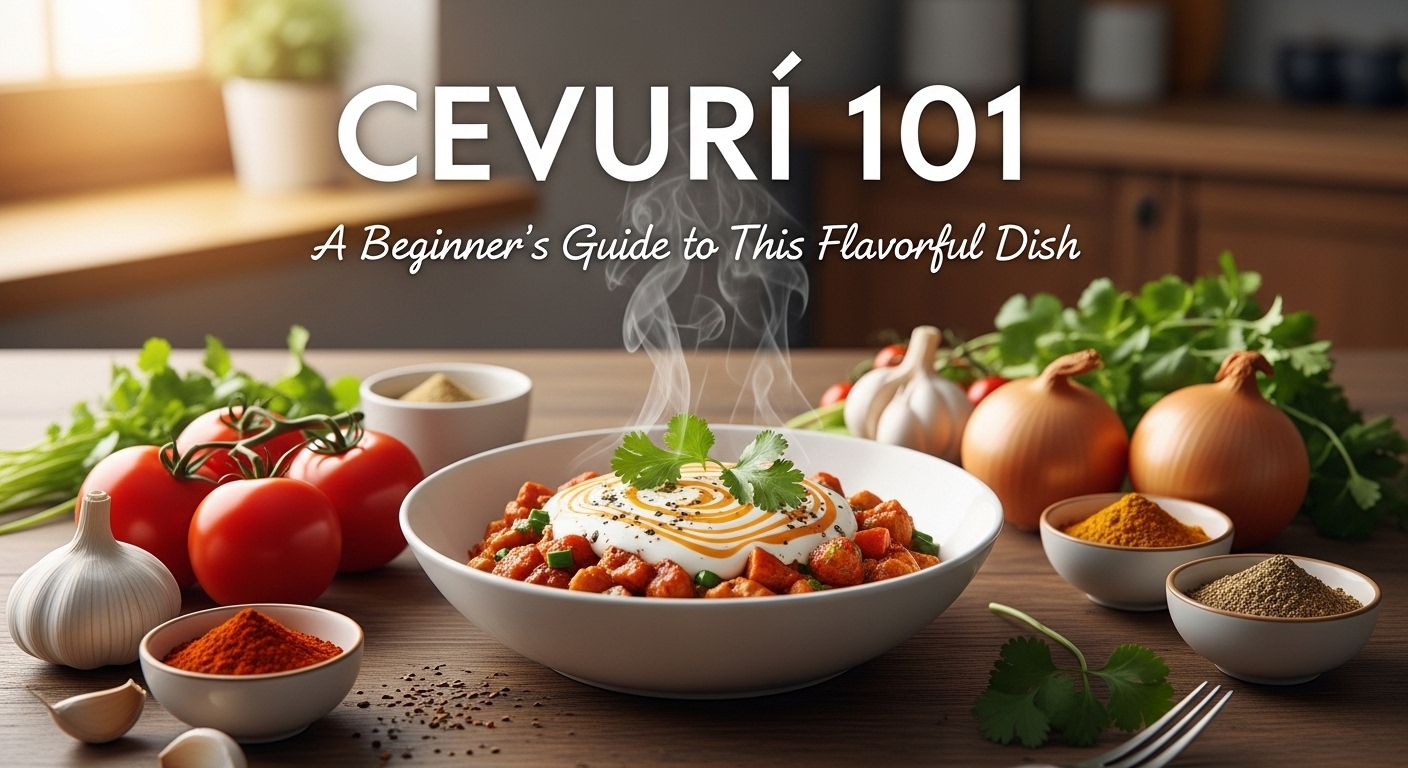
Cevurı is more than just a dish; it’s an experience that tantalizes the taste buds and warms the heart. Originating from rich culinary traditions, this flavorful delight invites you to explore its layers of history and cultural significance. Whether you’re new to cevurı or looking to deepen your appreciation for this dish, you’re in for a treat. Join us as we dive into what makes cevurı so special, revealing everything from traditional recipes to modern interpretations that are taking the food world by storm. Get ready to embark on a delicious journey!
Cevurı is a vibrant dish that captivates palates with its unique blend of flavors. Often enjoyed as a communal meal, it brings people together to savor each bite.
This delightful creation showcases ingredients that reflect regional tastes and traditions. Each version tells a story of culture and heritage, making cevurı not just food but an integral part of social gatherings. Whether shared at family dinners or festive occasions, cevurı remains a beloved staple worth exploring for any culinary enthusiast.
What is Cevurı?
Cevurı is a delightful dish that showcases vibrant flavors and rich textures. Originating from diverse culinary traditions, it often highlights fresh ingredients that come together in harmony.
Read: Bjudlunch
Typically, cevurı features a mix of meats or seafood combined with spices, herbs, and sometimes vegetables. The beauty of this dish lies in its versatility, allowing for various interpretations while maintaining an unmistakable essence. Each bite offers a taste adventure that reflects the cultural roots behind it.
A Brief History of Cevurı and Its Cultural Significance
Cevurı has deep roots in culinary traditions, often linked to communal gatherings and celebrations. Known for its vibrant flavors, this dish transcends mere sustenance; it’s a symbol of togetherness and cultural identity.
Historically enjoyed across various regions, cevurı reflects local ingredients and customs. Its preparation techniques are passed down through generations, highlighting the importance of family recipes and shared experiences at the dinner table. This dish continues to evolve while remaining a cherished part of many cultures worldwide.
The Key Ingredients and How They Contribute to the Flavor
Cevurı is a vibrant dish that showcases fresh, high-quality ingredients. The star components include tender meat, often lamb or chicken, marinated in aromatic spices. This infusion creates layers of flavor that linger on the palate.
Vegetables like bell peppers and tomatoes add sweetness and crunch, while herbs such as parsley lend freshness. Each ingredient plays a vital role in achieving cevurı’s signature taste—an exquisite balance of savory and zesty notes that keeps you coming back for more.
Traditional Ways of Preparing Cevurı
Traditional cevurı is often prepared using time-honored techniques that highlight its rich flavors. Fresh, local ingredients play a crucial role in creating an authentic dish. These include high-quality meats, spices, and herbs.
Cooking methods can vary but typically involve slow cooking or grilling to enhance the taste. The use of marinades adds depth and complexity. Each step reflects culinary traditions passed down through generations, ensuring that every bite captures the essence of cevurı’s cultural heritage.
Modern Twists on the Classic Dish
Cevurı has evolved beyond its traditional roots, with chefs experimenting to create innovative versions. From adding vibrant fruits like mango or pomegranate seeds to incorporating global spices, these twists bring a fresh perspective without losing the dish’s essence.
Some modern interpretations even serve cevurı in unconventional ways—think taco-style wraps or sushi rolls. These variations invite new audiences to experience this flavorful dish while embracing creativity and culinary fusion in every bite.
Regional Variations and Specialties
Cevurı showcases a delightful array of regional variations. Each locale adds its unique twist, influenced by local ingredients and culinary practices. For instance, coastal areas may incorporate fresh seafood, while mountainous regions might use heartier meats.
In some cultures, spices vary significantly, enhancing the dish’s flavor profile. Certain places might also serve cevurı with distinct sauces or accompaniments like pickled vegetables or homemade bread. These specialties reflect the vibrant diversity within cevurı traditions across different communities.
Tips for Making the Perfect Cevurı at Home
For a perfect cevurı, start with fresh ingredients. Quality meats and vegetables enhance the dish’s rich flavors. Don’t skip on herbs and spices; they’re essential for that authentic taste.
Pay attention to cooking time. Overcooking can lead to rubbery textures, while undercooked ingredients may be unappetizing. Experiment with proportions until you find your ideal balance. Presentation matters—serve it beautifully garnished to impress your guests or family!
Exploring the Meaning, Origins, and Modern Relevance of Cevurı
Cevurı is more than just a dish; it embodies the rich culinary heritage of its origins. Rooted in traditions that span generations, each bite tells a story of cultural significance and community bonding.
Today, cevurı continues to evolve while staying true to its roots. As food enthusiasts embrace global flavors, this dish finds new interpretations on menus worldwide. Its unique charm captivates both traditionalists and modern diners alike, making it a relevant choice for any occasion or gathering.
Examining the cultural roots, culinary heritage, and modern interpretations of Cevurı
Cevurı has deep cultural roots, reflecting the culinary traditions of its region. Its preparation often involves family gatherings and celebrations, emphasizing community through shared meals. Each ingredient is carefully selected to enhance not just flavor but also the dish’s significance.
Modern interpretations have emerged as chefs experiment with techniques and flavors. Fusion variations might incorporate global influences while retaining essential characteristics of traditional cevurı. This evolution showcases how culinary heritage adapts over time, remaining relevant in today’s diverse dining scene.
The Cultural Background of Cevurı
Cevurı is deeply rooted in the culinary traditions of its region. Its origins trace back to ancient practices, where communal cooking fostered social bonds. This dish symbolizes togetherness and celebration, often enjoyed during festive gatherings.
Traditionally prepared by families, cevurı reflects local ingredients and flavors. Each bite tells a story of cultural heritage, showcasing time-honored techniques passed down through generations. The shared experience of savoring cevurı further enriches its significance within communities today.
Modern Interpretations of Cevurı
Modern interpretations of cevurı are breathing new life into this traditional dish. Chefs around the world experiment with flavors, incorporating ingredients like avocado and lime for a fresh twist.
Some even serve cevurı as a deconstructed plate, allowing diners to combine elements at their leisure. This approach not only showcases creativity but also invites personalization, making cevurı accessible to various palates while maintaining its essence. The result is an exciting fusion that draws in both newcomers and longtime fans alike.
Why Cevurı Is Gaining Attention Online
Cevurı is captivating food enthusiasts on social media platforms. Its vibrant colors and unique presentation make it perfect for sharing visually appealing content. Food bloggers are showcasing their creations, sparking curiosity among followers.
The rise of culinary influencers has also played a role in elevating cevurı’s status. As people seek new flavors and experiences, this dish offers an exciting alternative to traditional options, making it increasingly popular in home kitchens worldwide.
The Future Relevance of Cevurı
Cevurı continues to evolve, captivating food enthusiasts worldwide. As culinary cultures intermingle, this dish adapts by incorporating global flavors and cooking techniques. Social media platforms amplify its appeal, inspiring home cooks and professional chefs alike.
The rise of plant-based diets has also paved the way for innovative variations of cevurı that emphasize sustainability while retaining traditional essence. As people seek authentic experiences in their meals, cevurı stands as a symbol of cultural heritage with modern relevance.
Its unique blend of flavors ensures that it remains a sought-after dish on menus around the globe. The future looks bright for cevurı as it finds new audiences eager to explore its rich history and tantalizing tastes.