 By codebitmatrix@gmail.com
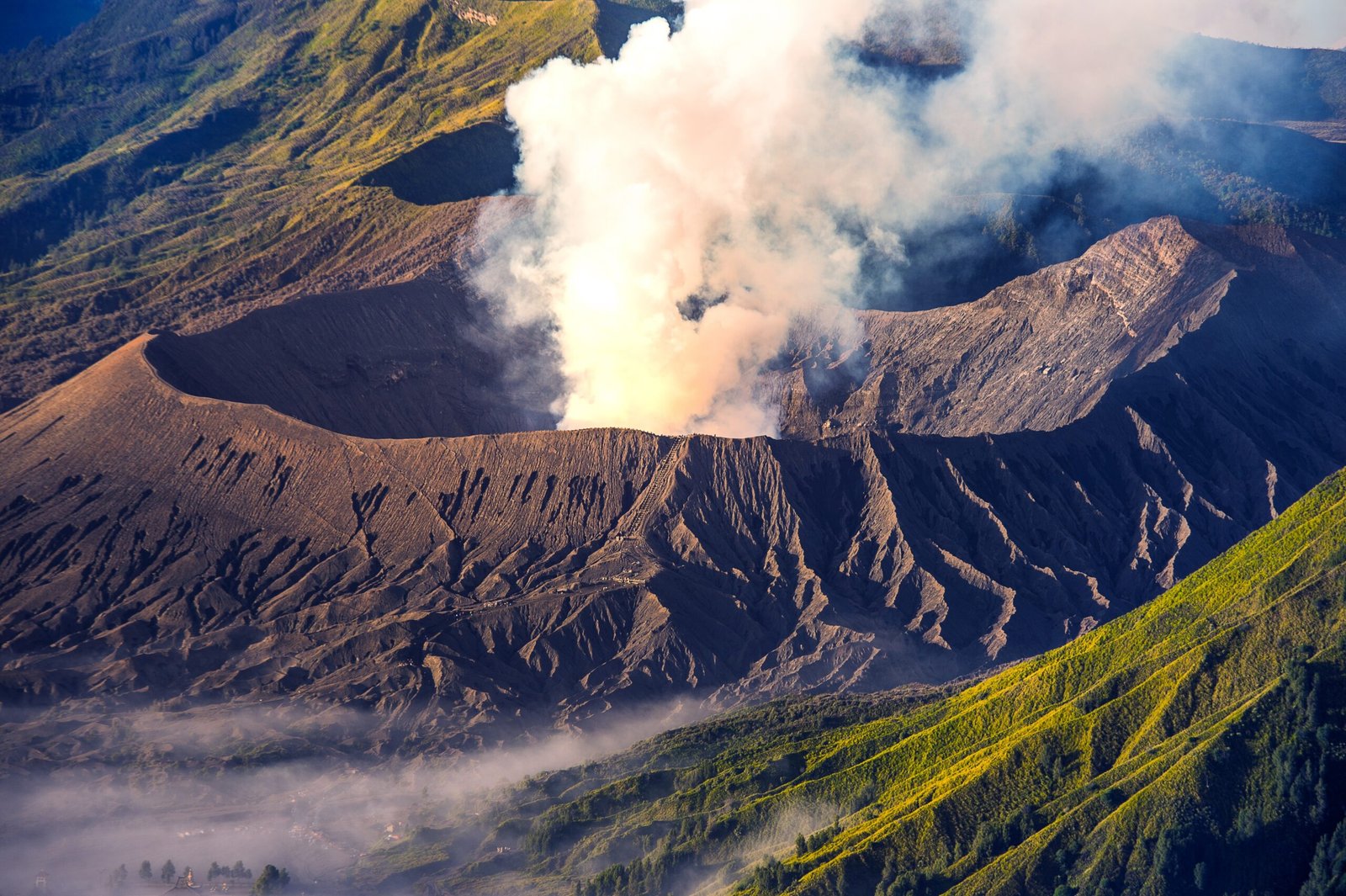
Mount Etna is one of the most famous volcanoes on Earth. Yet for the people of Sicily, this majestic giant is known by another name that carries deeper meaning: Mongibello. The relationship between the Sicilian people and Mongibello Etna is not merely one of geographical proximity—it is a bond forged over millennia of shared history, woven into the very fabric of the island’s identity. Understanding Mongibello Etna means understanding Sicily itself.
The Origins of the Name
The name Mongibello Etna has a fascinating linguistic history. It derives from a combination of two words meaning “mountain” from different languages: the Latin “mons” and the Arabic “jebel” (or “gibal”). This makes Mongibello Etna literally “the mountain of mountains”—a fitting title for Europe’s tallest active volcano. When the Arabs ruled Sicily, they called the volcano “Gebel al-Nar” (mountain of fire) or “Gibel Uttamat” (mountain of fire). Over time, this was shortened to simply “Gebel.” When the Normans reconquered Sicily, they did not understand the Arabic word and thought it was the mountain’s proper name. They began calling it “Monte Gebel,” which gradually transformed into Mongibello. Some scholars suggest an alternative origin: that Mongibello Etna comes from “Mulciber,” an epithet of the Roman god Vulcan meaning “he who placates the fire”. Regardless of which theory one accepts, the name Mongibello Etna reflects the volcano’s overwhelming presence in the Sicilian consciousness.
A Volcano of Many Names
While “Etna” is the name known worldwide, Mongibello Etna is the name used with affection by locals. The Sicilians also call it “’a Muntagna” (the mountain) or simply “Idda” (she), reflecting the feminine gender of “mountain” in Italian. In the Sicilian dialect, it is pronounced “Muncibbeḍḍu”. This rich variety of names testifies to the deep cultural significance of Mongibello Etna. The volcano is not an abstract geological feature—it is a living presence, a member of the community. For the people of Catania, Mongibello Etna is part of their identity. They have learned to live in symbiosis with this unpredictable giant, respecting its power while benefiting from its gifts.
Myths and Legends
Mongibello Etna has inspired countless myths and legends throughout history. In Greek mythology, the forge of Hephaestus (Vulcan to the Romans), the god of fire and blacksmithing, was located beneath Mongibello Etna.Legend says Hera cast her son Hephaestus from Mount Olympus simply because she found him ugly. Raised by nymphs, he became a master craftsman and set up his workshop inside Mongibello Etna, where he forged Zeus’ thunderbolts with the help of the Cyclopes. The ancient Romans believed that Vulcan’s forge was located in Mongibello Etna, and they gave the volcano the name “Mulciber” as one of Vulcan’s epithets. Dante Alighieri also mentioned Mongibello Etna in his Divine Comedy, referring to the “black forge” of the volcano in the Inferno. Another surprising legend connects Mongibello Etna to King Arthur. Mortally wounded in battle, Arthur was carried to Sicily by the Archangel Michael, where his sword was reforged. When he awoke inside a cave on Mongibello Etna, he was so awed by the landscape that he decided to remain, building a hidden chamber deep within the volcano.
Geological Significance
Mongibello Etna is not just a cultural icon—it is one of the most significant volcanoes on Earth. Rising to 3,403 meters (11,165 feet), it is the highest active volcano in Europe and the tallest peak in Italy south of the Alps. Its height varies with summit eruptions, as new craters form and old ones collapse. Mongibello Etna is a complex stratovolcano, built up over hundreds of thousands of years by alternating layers of lava and ash. In volcanology, the term “Mongibello” has a specific technical meaning: it refers to the formations of Mongibello Etna that are younger than 35,000 years, divided into ancient, recent, and current Mongibello. The volcano has one of the longest documented records of historical volcanism, with activity recorded for at least 2,700 years. In the past 10,000 years, Mongibello Etna has had at least 197 confirmed eruptions. Its frequent eruptions are often accompanied by spectacular lava flows, but they rarely pose a danger to inhabited areas. The volcano is one of the most studied and monitored in the world.
A UNESCO World Heritage Site
In 2013, Mongibello Etna was designated a UNESCO World Heritage Site. The protected area covers 19,237 hectares on and around the volcano. UNESCO recognized Mongibello Etna for its exceptional level of volcanic activity and its global significance in terms of science, culture, and education. The designation acknowledges that Mongibello Etna is not only a natural wonder but also a site of immense cultural and historical value.
The Fertile Slopes
Despite its fearsome reputation, Mongibello Etna is also a source of life. The volcanic soil on its slopes is extremely fertile, supporting rich agriculture. Vineyards, orchards, and olive groves thrive in the shadow of Mongibello Etna. The volcano’s eruptions enrich the soil with minerals, making the land perfect for cultivation. The wines produced on the slopes of Mongibello Etna are renowned worldwide. The contrast between the black volcanic rock and the lush green forests of pine, chestnut, and oak trees creates a landscape of breathtaking beauty.
Visiting Mongibello Etna
Mongibello Etna attracts thousands of visitors each year. The best time to visit is late spring (late April to June) or late summer (late August through September), when the weather is pleasant and the days are long. Hiking on Mongibello Etna is a popular activity. Visitors can take 4×4 vehicles up to 2,825 meters and then trek the remaining 5 kilometers to the summit at 3,315 meters. The summit area of Mongibello Etna contains several craters: the Bocca Nuova, the Voragine, and the Northeast and Southeast crater complexes. Guided tours are available and highly recommended for safety reasons. Accommodations can be found in the towns and farms at the foot of Mongibello Etna. The volcano is also a destination for food and wine enthusiasts, with many tours offering tastings of local products.
The Living Presence
For the people of Sicily, Mongibello Etna is not just a mountain—it is a living presence. They speak of it with a sense of respect and intimacy, as if it were a member of the family. In the 21st century, the medieval name Mongibello has fallen out of common use, appearing mainly on the signs of businesses and hospitality facilities. But the concept behind the name—“the mountain of mountains”—remains alive in the Sicilian language. The locals still call Mongibello Etna “’a Muntagna,” the mountain. In their voices, one can hear the deep respect they hold for this powerful, unpredictable, and beloved force of nature.
Conclusion
Mongibello Etna is far more than a volcano. It is a symbol of Sicily’s resilience, a repository of its history, and a source of its livelihood. Its name alone tells the story of the island’s complex cultural heritage—Greek, Roman, Arab, and Norman influences all layered together like the volcanic strata of the mountain itself. From the forge of Hephaestus to the fertile vineyards on its slopes, from the legends of King Arthur to the scientific monitoring of its every rumble, Mongibello Etna continues to captivate and inspire. Whether one calls it Etna or Mongibello, this magnificent mountain stands as a testament to the power of nature and the enduring spirit of the people who live in its shadow. Mongibello Etna is, truly, the mountain of mountains.