
food
Mafaldine: The Ribbon Pasta with a Royal History

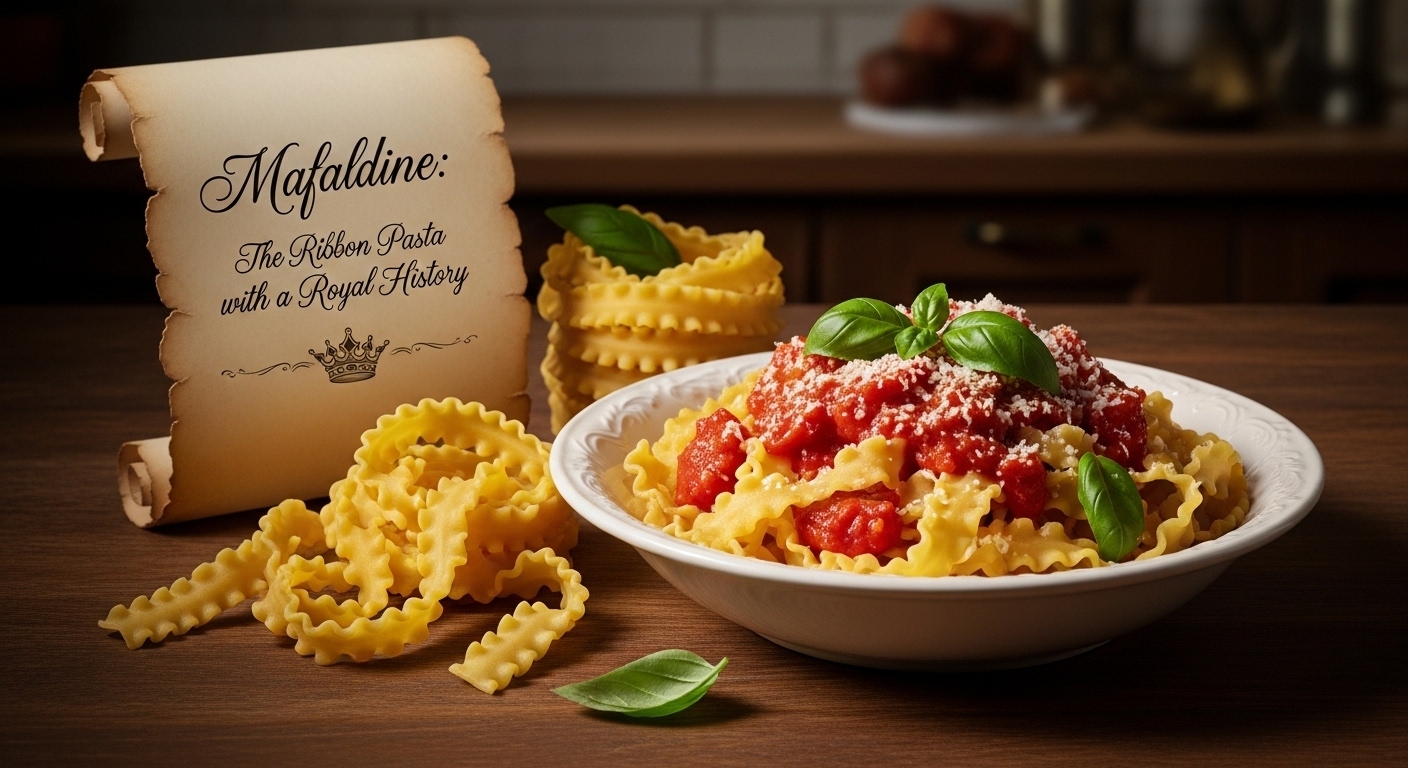
Pasta comes in hundreds of shapes, but few capture the imagination and the palate quite like mafaldine. This elegant, ribbon-like pasta features beautifully ruffled edges that look like delicate lace. Beyond its striking appearance, it offers a fascinating origin story rooted in Italian royalty. If you love discovering new ways to elevate your home cooking, understanding this unique pasta shape will transform your next dinner.
This guide explores the rich history, physical characteristics, and culinary uses of mafaldine. We will also share practical cooking tips and delicious recipe ideas to help you bring this regal pasta into your own kitchen.
The Royal History and Cultural Significance
The story of mafaldine begins in Naples, a city famous for its vibrant culinary traditions. Pasta makers in Campania created this shape in the early 20th century to honor Princess Mafalda of Savoy. Born in 1902, Princess Mafalda was the second daughter of King Victor Emmanuel III of Italy. She was known for her elegance and refined taste.
Originally, the pasta makers called this shape “manfredine.” However, they later renamed it “mafaldine” or “reginette” (which translates to “little queens”) to celebrate the princess. The ruffled edges of the pasta were designed to mimic the intricate, wavy lace that adorned the exquisite dresses worn by royalty at the time.
Read: Cevurı 101
Culturally, this pasta holds a special place in Southern Italian cuisine. In Naples, Sunday family dinners often feature rich, slow-cooked meat sauces poured generously over large platters of pasta. Mafaldine became a favored choice for these celebratory meals. The shape feels festive and substantial, making it perfect for gatherings where food is the center of connection and joy. Eating it connects you to a long tradition of Italian craftsmanship, where pasta is not just a vehicle for sauce, but a work of art designed with purpose and pride.
Characteristics of the Pasta
When you look at dry mafaldine, you immediately notice its distinctive structure. It is a long, flat ribbon pasta, similar in width to fettuccine or linguine, but with wavy, crinkled edges on both sides. These ruffled borders are not just for show; they serve a brilliant culinary purpose.
The flat center of the ribbon provides a smooth surface that allows sauces to glide over it. Meanwhile, the ruffled edges act like tiny scoops. They trap small bits of meat, cheese, and vegetables, ensuring that every bite delivers a perfect balance of pasta and sauce.
Furthermore, the wavy edges cook slightly differently than the flat center. The center retains a firm, chewy bite, while the delicate ruffles become incredibly soft and tender. This textural contrast makes eating it a highly enjoyable sensory experience. Unlike smooth pastas that can sometimes feel monotonous, the dual texture of this ribbon pasta keeps your palate engaged from the first bite to the last.
Culinary Uses and Perfect Pairings
Choosing the right sauce for a specific pasta shape is a fundamental rule of Italian cooking. Because mafaldine is a sturdy, wide ribbon with sauce-catching ruffles, it pairs exceptionally well with robust, complex sauces.
Hearty Meat Ragùs
The traditional Neapolitan pairing for this pasta is a rich meat ragù. The wide surface area supports the heavy sauce, while the ruffled edges capture the ground meat and savory tomato base. Whether you use beef, pork, or a combination of both, the pasta stands up to the intense flavors without becoming mushy or lost in the dish.
Creamy and Cheesy Sauces
Cream-based sauces also cling beautifully to the crinkled edges. A rich Alfredo, a decadent gorgonzola sauce, or a simple butter and parmesan emulsion will coat the ribbons perfectly. The ruffles help emulsify the sauce as you toss the pasta in the pan, creating a luxurious, glossy finish.
Earthy Vegetable and Mushroom Pairings
If you prefer vegetarian options, earthy ingredients like wild mushrooms, roasted butternut squash, or wilted spinach work wonderfully. The sturdy nature of the pasta can handle the chunky texture of roasted vegetables, while a light garlic and olive oil base can weave through the ruffles, carrying the savory flavors of the earth.
Practical Cooking Tips
Cooking mafaldine requires a bit of care to preserve its beautiful shape and delicate edges. Follow these practical tips to achieve pasta perfection every time.
Use a Large Pot and Plenty of Water
Because the ribbons are long and wide, they need plenty of space to move around as they cook. Use a large, tall pot and fill it with at least four to five quarts of water. If you crowd the pasta in a small pot, the ribbons will stick together, and the delicate ruffles may tear.
Salt the Water Generously
Pasta water should taste like the sea. Once the water reaches a rolling boil, add a generous handful of kosher salt. The salt seasons the pasta from the inside out. Since this pasta is thick and substantial, it needs adequate seasoning to bring out the natural flavor of the durum wheat.
Do Not Break the Pasta
Just like spaghetti, you should never break the long ribbons before putting them in the pot. Submerge one end into the boiling water and gently push the rest down as the submerged part softens. Keeping the strands long ensures the traditional eating experience and allows the pasta to twirl beautifully on the fork.
Stir Gently
During the first two minutes of cooking, gently stir the pasta with a wooden spoon or tongs. This prevents the ribbons from clumping together. However, be careful not to stir too aggressively, as you do not want to break the delicate wavy edges.
Cook Until Al Dente
Always check the package instructions for the cooking time, but start tasting the pasta two minutes before the suggested time. You want the flat center to retain a slight resistance when you bite into it. The pasta will continue to cook slightly when you toss it with your hot sauce.
Save the Pasta Water
Before you drain the pasta, scoop out a cup of the starchy cooking water. This water is liquid gold. When you mix your pasta and sauce together in a skillet, add a splash of this water. The starch helps bind the sauce to the pasta, creating a silky, cohesive dish.
Recipe Ideas to Inspire You
Now that you know the history and how to cook it, it is time to bring mafaldine into your kitchen. Here are three distinct recipe ideas that highlight the versatility of this royal pasta.
Recipe 1: Classic Neapolitan Beef Ragù
This recipe pays homage to the Southern Italian roots of the pasta. The slow-cooked beef sauce is deeply savory and clings perfectly to the ruffled edges.
Ingredients:
- 1 pound dry mafaldine
- 1 pound ground beef (80% lean)
- 1 large onion, finely chopped
- 2 carrots, finely diced
- 2 celery stalks, finely diced
- 3 cloves garlic, minced
- 1/2 cup dry red wine
- 1 can (28 ounces) crushed San Marzano tomatoes
- 2 tablespoons tomato paste
- 1/4 cup extra virgin olive oil
- Salt and freshly cracked black pepper
- Fresh basil leaves
- Freshly grated Parmigiano-Reggiano
Instructions:
Heat the olive oil in a large Dutch oven over medium heat. Add the onion, carrots, and celery. Cook until the vegetables soften, which takes about ten minutes. Add the garlic and cook for one more minute.
Increase the heat to medium-high and add the ground beef. Break the meat apart with a wooden spoon and cook until heavily browned. Stir in the tomato paste and cook for two minutes to deepen its flavor. Pour in the red wine to deglaze the pan, scraping up any browned bits from the bottom. Let the wine reduce by half.
Pour in the crushed tomatoes. Reduce the heat to low, cover the pot, and let the sauce simmer gently for at least two hours. Check occasionally and add a splash of water if the sauce becomes too thick. Season generously with salt and pepper.
Boil the pasta in heavily salted water until al dente. Drain, reserving half a cup of pasta water. Transfer the pasta directly into the simmering ragù. Toss vigorously, adding pasta water as needed to create a glossy coating. Serve immediately with fresh basil and a heavy dusting of Parmigiano-Reggiano.
Recipe 2: Lemon, Ricotta, and Spinach Ribbons
For a lighter, more vibrant dish, this recipe combines the bright acidity of lemon with the creamy richness of whole milk ricotta.
Ingredients:
- 1 pound dry mafaldine
- 1.5 cups whole milk ricotta cheese
- Zest and juice of 2 organic lemons
- 4 cups fresh baby spinach
- 1/2 cup grated Pecorino Romano
- 1/3 cup extra virgin olive oil
- 2 cloves garlic, smashed
- Pinch of red pepper flakes
- Salt and black pepper
Instructions:
Bring a large pot of salted water to a boil and cook the pasta according to the package directions.
While the pasta cooks, gently warm the olive oil in a large skillet over low heat. Add the smashed garlic cloves and the red pepper flakes. Let the garlic infuse the oil for about five minutes, then remove and discard the garlic cloves.
In a large serving bowl, whisk together the ricotta cheese, lemon zest, lemon juice, and Pecorino Romano. Season with salt and black pepper.
When the pasta is one minute away from being done, toss the fresh baby spinach into the boiling pasta water to wilt it quickly. Reserve one cup of the starchy cooking water, then drain the pasta and spinach together.
Add the hot pasta and spinach to the skillet with the infused oil, tossing quickly. Transfer everything to the large serving bowl with the ricotta mixture. Pour in a quarter cup of the hot pasta water and toss continuously until the cheese melts into a smooth, creamy sauce that coats every ruffle. Add more pasta water if needed. Serve immediately.
Recipe 3: Wild Mushroom and Truffle Cream
This luxurious recipe is perfect for a special date night or a cozy winter dinner. The wavy edges of the pasta hold the rich cream sauce beautifully.
Ingredients:
- 1 pound dry mafaldine
- 1 pound mixed wild mushrooms (cremini, shiitake, oyster), sliced
- 3 shallots, finely minced
- 2 cloves garlic, minced
- 1 cup heavy cream
- 1/2 cup dry white wine
- 3 tablespoons unsalted butter
- 2 tablespoons olive oil
- 1 teaspoon truffle oil (optional, but recommended)
- Fresh thyme leaves
- Salt and black pepper
- Grated Parmesan cheese
Instructions:
Heat the butter and olive oil in a large, wide skillet over medium-high heat. Add the sliced mushrooms in a single layer. Let them cook undisturbed for four minutes so they develop a deep brown crust. Stir and continue cooking until all the moisture evaporates.
Add the minced shallots and garlic to the mushrooms. Cook for three minutes until fragrant and softened. Pour in the white wine to deglaze the pan, letting it bubble until mostly evaporated.
Lower the heat and pour in the heavy cream and fresh thyme leaves. Let the sauce simmer gently until it thickens slightly. Season with salt and a generous amount of black pepper.
Cook the pasta in boiling salted water until al dente. Reserve some pasta water, then drain the noodles. Add the pasta directly into the mushroom cream sauce. Toss well, adding a splash of pasta water to loosen the sauce if necessary. Remove the skillet from the heat and stir in the truffle oil. Serve hot, topped with extra thyme and grated Parmesan.
Elevating Your Pasta Experience
Mafaldine represents the very best of Italian culinary ingenuity. It combines a beautiful, visually striking shape with an incredibly practical design that elevates whatever sauce it touches. From its royal origins in Naples to its modern presence on dinner tables around the world, this ribbon pasta continues to delight home cooks and professional chefs alike.
By taking the time to understand its history and pairing it with the right ingredients, you transform a simple weeknight dinner into a memorable feast. The next time you walk down the pasta aisle, look past the standard spaghetti and penne. Reach for the wavy, ruffled ribbons instead. Whether you choose to simmer a rich, slow-cooked beef ragù, whip up a bright lemon ricotta sauce, or indulge in a decadent mushroom cream, mafaldine will make your meal feel truly fit for royalty.
Potatoes are one of the most widely consumed foods around the world, loved for their versatility, affordability, and comforting taste. Among the many ways to prepare them, baking remains one of the healthiest and simplest methods. However, many people are curious about baked potato calories and how they fit into a balanced diet.
Understanding the nutritional value of a baked potato can help you make better dietary choices, whether you’re trying to lose weight, maintain your health, or simply eat smarter. In this comprehensive guide, we’ll explore everything from calorie content and nutritional benefits to toppings, portion sizes, and diet tips.
What Are Baked Potato Calories?
When people refer to baked potato calories, they are typically talking about the number of calories found in a plain potato that has been cooked in the oven without added fats or oils.
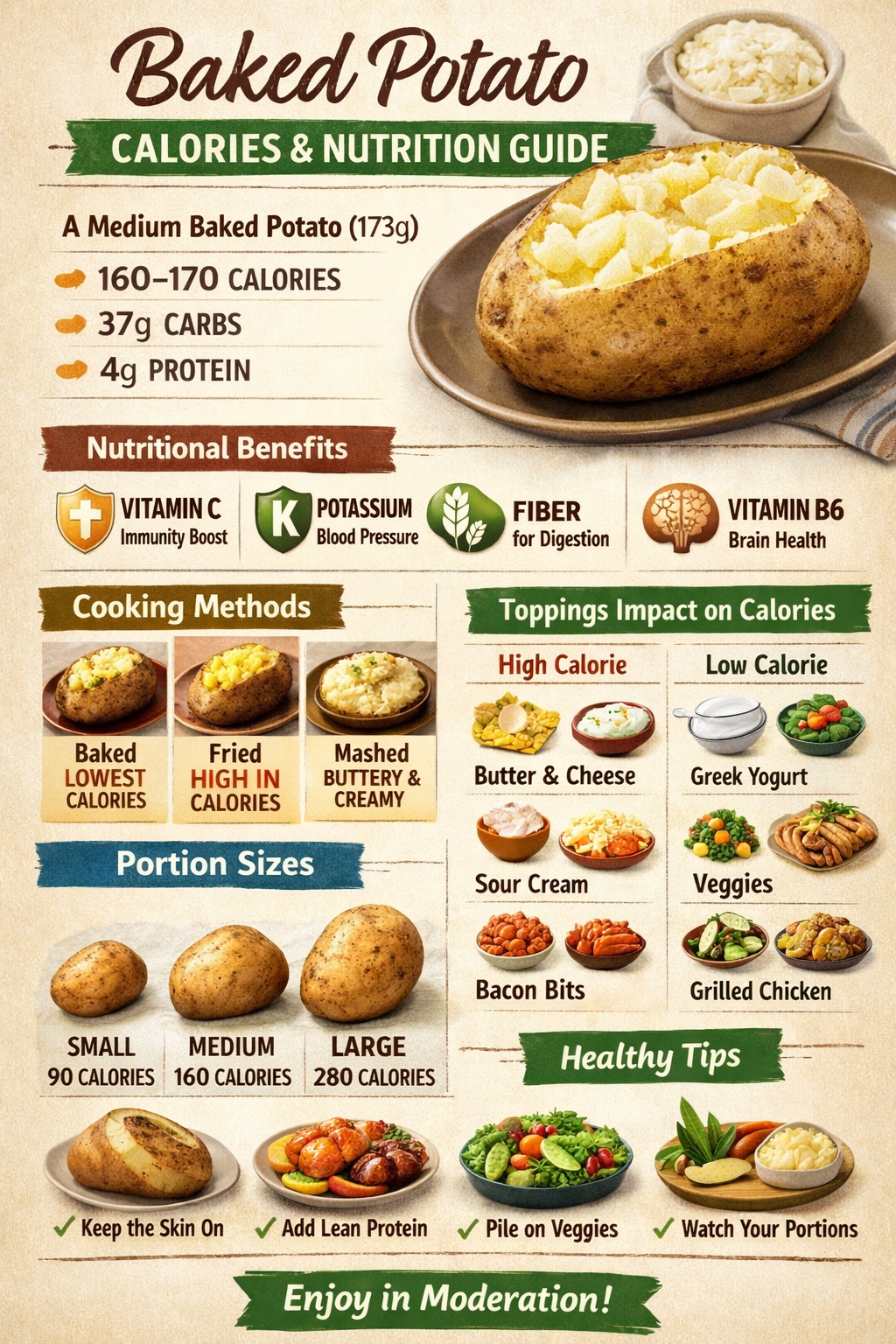
A medium-sized baked potato (about 173 grams) contains approximately:
- 160 to 170 calories
- 37 grams of carbohydrates
- 4 grams of protein
- 0 grams of fat
These numbers can vary depending on the size and type of potato, but overall, baked potatoes are relatively low in calories and high in nutrients.
Nutritional Profile of a Baked Potato
Beyond just baked potato calories, potatoes are packed with essential nutrients that contribute to overall health.
Key Nutrients
- Carbohydrates: Provide energy for daily activities
- Fiber: Supports digestion and gut health
- Vitamin C: Boosts immunity
- Potassium: Helps regulate blood pressure
- Vitamin B6: Supports brain function
Because of this rich nutrient profile, baked potatoes are more than just a source of calories—they are a valuable addition to a healthy diet.
How Cooking Method Affects Calories
The way you cook a potato can significantly impact its calorie content.
Baking vs Other Methods
- Baked Potato: Lowest in added calories when plain
- Fried Potato: High in calories due to oil absorption
- Mashed Potato: Calories increase with butter and cream
- Roasted Potato: Moderate calories depending on oil use
Choosing baking over frying is one of the easiest ways to keep baked potato calories low and maintain a healthier meal.
Impact of Toppings on Calories
While a plain baked potato is relatively low in calories, toppings can quickly increase the total.
Common Toppings and Their Effects
- Butter: Adds significant fat and calories
- Cheese: Increases protein but also calories
- Sour Cream: Adds richness but raises calorie count
- Bacon Bits: High in fat and sodium
- Vegetables: Low-calorie and nutrient-rich
For example, adding butter and cheese can double or even triple baked potato calories, while vegetables like broccoli or spinach add minimal calories.
Are Baked Potatoes Good for Weight Loss?
Baked potatoes can be an excellent choice for weight loss when consumed correctly.
Why They Help
- Low in fat
- High in fiber (especially with skin)
- Filling and satisfying
- Naturally low in calories
Because they keep you full longer, baked potatoes can help reduce overall calorie intake throughout the day.
Portion Control and Serving Size
Portion size plays a major role in determining baked potato calories.
Standard Sizes
- Small (100g): ~90 calories
- Medium (173g): ~160 calories
- Large (300g): ~280 calories
Eating larger portions increases calorie intake, so it’s important to choose a size that fits your dietary needs.
Baked Potato with Skin vs Without Skin
Many people peel their potatoes, but this can affect both nutrition and calorie perception.
With Skin
- Higher fiber content
- More nutrients
- Better satiety
Without Skin
- Slightly fewer nutrients
- Less fiber
- Similar calorie content
Keeping the skin on does not significantly change baked potato calories but greatly enhances nutritional value.
Glycemic Index and Blood Sugar
Potatoes are often discussed in relation to blood sugar levels.
What You Should Know
- Baked potatoes have a high glycemic index
- They can raise blood sugar quickly
- Pairing with protein or fiber helps balance the effect
Despite this, baked potatoes can still be part of a healthy diet when eaten in moderation.
Comparing Baked Potatoes to Other Foods
To better understand baked potato calories, it helps to compare them with other common foods.
Calorie Comparison
- White Rice (1 cup): ~200 calories
- Pasta (1 cup): ~220 calories
- Bread (2 slices): ~160 calories
This shows that baked potatoes are comparable or even lower in calories than many staple foods.
Healthy Ways to Enjoy Baked Potatoes
You don’t have to sacrifice taste to keep baked potato calories under control.
Smart Topping Ideas
- Greek yogurt instead of sour cream
- Steamed vegetables
- Lean protein like chicken or beans
- Herbs and spices for flavor
These options enhance taste while keeping calorie levels reasonable.
Common Myths About Baked Potatoes
There are many misconceptions about potatoes and their role in a healthy diet.
Myth 1: Potatoes Are Fattening
In reality, it’s the toppings and cooking methods that increase calories, not the potato itself.
Myth 2: Carbs Should Be Avoided
Carbohydrates are essential for energy, and potatoes provide complex carbs.
Myth 3: Potatoes Lack Nutrition
Potatoes are rich in vitamins and minerals, making them highly nutritious.
Tips for Reducing Calorie Intake
If you’re watching your diet, here are some simple ways to manage baked potato calories.
Practical Tips
- Avoid heavy toppings
- Use smaller portions
- Pair with lean proteins
- Add vegetables for volume
These strategies help you enjoy baked potatoes without exceeding your calorie goals.
Baked Potatoes in Different Diet Plans
Baked potatoes can fit into various dietary approaches.
Balanced Diet
Provides energy and essential nutrients
Vegetarian Diet
Excellent plant-based option rich in fiber and vitamins
Low-Fat Diet
Ideal due to naturally low fat content
Fitness Diet
Supports energy needs and recovery when paired with protein
Frequently Asked Questions
Are baked potatoes healthier than fried ones?
Yes, because they contain fewer calories and less fat.
Can I eat baked potatoes every day?
Yes, in moderation and with balanced toppings.
Do baked potatoes cause weight gain?
Not by themselves—excess calories from toppings and portions are the main cause.
Conclusion
Understanding baked potato calories is key to making informed dietary choices. A plain baked potato is low in calories, high in nutrients, and incredibly versatile. When prepared and topped wisely, it can be part of a healthy and balanced diet.
Instead of avoiding potatoes, focus on how you prepare and serve them. By controlling portions and choosing nutritious toppings, you can enjoy this classic comfort food without compromising your health goals.
With the right approach, baked potatoes can remain a delicious and guilt-free addition to your meals.
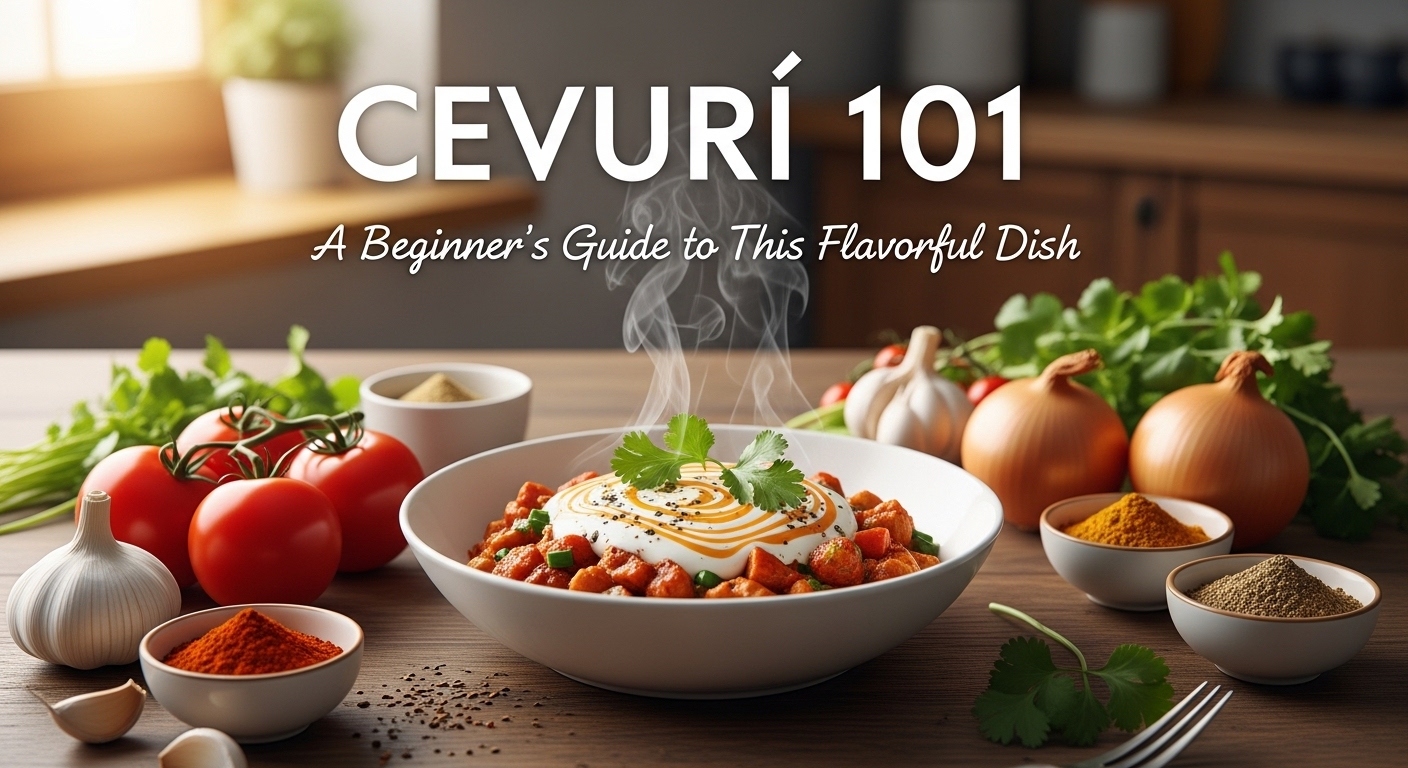
Cevurı is more than just a dish; it’s an experience that tantalizes the taste buds and warms the heart. Originating from rich culinary traditions, this flavorful delight invites you to explore its layers of history and cultural significance. Whether you’re new to cevurı or looking to deepen your appreciation for this dish, you’re in for a treat. Join us as we dive into what makes cevurı so special, revealing everything from traditional recipes to modern interpretations that are taking the food world by storm. Get ready to embark on a delicious journey!
Cevurı is a vibrant dish that captivates palates with its unique blend of flavors. Often enjoyed as a communal meal, it brings people together to savor each bite.
This delightful creation showcases ingredients that reflect regional tastes and traditions. Each version tells a story of culture and heritage, making cevurı not just food but an integral part of social gatherings. Whether shared at family dinners or festive occasions, cevurı remains a beloved staple worth exploring for any culinary enthusiast.
What is Cevurı?
Cevurı is a delightful dish that showcases vibrant flavors and rich textures. Originating from diverse culinary traditions, it often highlights fresh ingredients that come together in harmony.
Read: Bjudlunch
Typically, cevurı features a mix of meats or seafood combined with spices, herbs, and sometimes vegetables. The beauty of this dish lies in its versatility, allowing for various interpretations while maintaining an unmistakable essence. Each bite offers a taste adventure that reflects the cultural roots behind it.
A Brief History of Cevurı and Its Cultural Significance
Cevurı has deep roots in culinary traditions, often linked to communal gatherings and celebrations. Known for its vibrant flavors, this dish transcends mere sustenance; it’s a symbol of togetherness and cultural identity.
Historically enjoyed across various regions, cevurı reflects local ingredients and customs. Its preparation techniques are passed down through generations, highlighting the importance of family recipes and shared experiences at the dinner table. This dish continues to evolve while remaining a cherished part of many cultures worldwide.
The Key Ingredients and How They Contribute to the Flavor
Cevurı is a vibrant dish that showcases fresh, high-quality ingredients. The star components include tender meat, often lamb or chicken, marinated in aromatic spices. This infusion creates layers of flavor that linger on the palate.
Vegetables like bell peppers and tomatoes add sweetness and crunch, while herbs such as parsley lend freshness. Each ingredient plays a vital role in achieving cevurı’s signature taste—an exquisite balance of savory and zesty notes that keeps you coming back for more.
Traditional Ways of Preparing Cevurı
Traditional cevurı is often prepared using time-honored techniques that highlight its rich flavors. Fresh, local ingredients play a crucial role in creating an authentic dish. These include high-quality meats, spices, and herbs.
Cooking methods can vary but typically involve slow cooking or grilling to enhance the taste. The use of marinades adds depth and complexity. Each step reflects culinary traditions passed down through generations, ensuring that every bite captures the essence of cevurı’s cultural heritage.
Modern Twists on the Classic Dish
Cevurı has evolved beyond its traditional roots, with chefs experimenting to create innovative versions. From adding vibrant fruits like mango or pomegranate seeds to incorporating global spices, these twists bring a fresh perspective without losing the dish’s essence.
Some modern interpretations even serve cevurı in unconventional ways—think taco-style wraps or sushi rolls. These variations invite new audiences to experience this flavorful dish while embracing creativity and culinary fusion in every bite.
Regional Variations and Specialties
Cevurı showcases a delightful array of regional variations. Each locale adds its unique twist, influenced by local ingredients and culinary practices. For instance, coastal areas may incorporate fresh seafood, while mountainous regions might use heartier meats.
In some cultures, spices vary significantly, enhancing the dish’s flavor profile. Certain places might also serve cevurı with distinct sauces or accompaniments like pickled vegetables or homemade bread. These specialties reflect the vibrant diversity within cevurı traditions across different communities.
Tips for Making the Perfect Cevurı at Home
For a perfect cevurı, start with fresh ingredients. Quality meats and vegetables enhance the dish’s rich flavors. Don’t skip on herbs and spices; they’re essential for that authentic taste.
Pay attention to cooking time. Overcooking can lead to rubbery textures, while undercooked ingredients may be unappetizing. Experiment with proportions until you find your ideal balance. Presentation matters—serve it beautifully garnished to impress your guests or family!
Exploring the Meaning, Origins, and Modern Relevance of Cevurı
Cevurı is more than just a dish; it embodies the rich culinary heritage of its origins. Rooted in traditions that span generations, each bite tells a story of cultural significance and community bonding.
Today, cevurı continues to evolve while staying true to its roots. As food enthusiasts embrace global flavors, this dish finds new interpretations on menus worldwide. Its unique charm captivates both traditionalists and modern diners alike, making it a relevant choice for any occasion or gathering.
Examining the cultural roots, culinary heritage, and modern interpretations of Cevurı
Cevurı has deep cultural roots, reflecting the culinary traditions of its region. Its preparation often involves family gatherings and celebrations, emphasizing community through shared meals. Each ingredient is carefully selected to enhance not just flavor but also the dish’s significance.
Modern interpretations have emerged as chefs experiment with techniques and flavors. Fusion variations might incorporate global influences while retaining essential characteristics of traditional cevurı. This evolution showcases how culinary heritage adapts over time, remaining relevant in today’s diverse dining scene.
The Cultural Background of Cevurı
Cevurı is deeply rooted in the culinary traditions of its region. Its origins trace back to ancient practices, where communal cooking fostered social bonds. This dish symbolizes togetherness and celebration, often enjoyed during festive gatherings.
Traditionally prepared by families, cevurı reflects local ingredients and flavors. Each bite tells a story of cultural heritage, showcasing time-honored techniques passed down through generations. The shared experience of savoring cevurı further enriches its significance within communities today.
Modern Interpretations of Cevurı
Modern interpretations of cevurı are breathing new life into this traditional dish. Chefs around the world experiment with flavors, incorporating ingredients like avocado and lime for a fresh twist.
Some even serve cevurı as a deconstructed plate, allowing diners to combine elements at their leisure. This approach not only showcases creativity but also invites personalization, making cevurı accessible to various palates while maintaining its essence. The result is an exciting fusion that draws in both newcomers and longtime fans alike.
Why Cevurı Is Gaining Attention Online
Cevurı is captivating food enthusiasts on social media platforms. Its vibrant colors and unique presentation make it perfect for sharing visually appealing content. Food bloggers are showcasing their creations, sparking curiosity among followers.
The rise of culinary influencers has also played a role in elevating cevurı’s status. As people seek new flavors and experiences, this dish offers an exciting alternative to traditional options, making it increasingly popular in home kitchens worldwide.
The Future Relevance of Cevurı
Cevurı continues to evolve, captivating food enthusiasts worldwide. As culinary cultures intermingle, this dish adapts by incorporating global flavors and cooking techniques. Social media platforms amplify its appeal, inspiring home cooks and professional chefs alike.
The rise of plant-based diets has also paved the way for innovative variations of cevurı that emphasize sustainability while retaining traditional essence. As people seek authentic experiences in their meals, cevurı stands as a symbol of cultural heritage with modern relevance.
Its unique blend of flavors ensures that it remains a sought-after dish on menus around the globe. The future looks bright for cevurı as it finds new audiences eager to explore its rich history and tantalizing tastes.
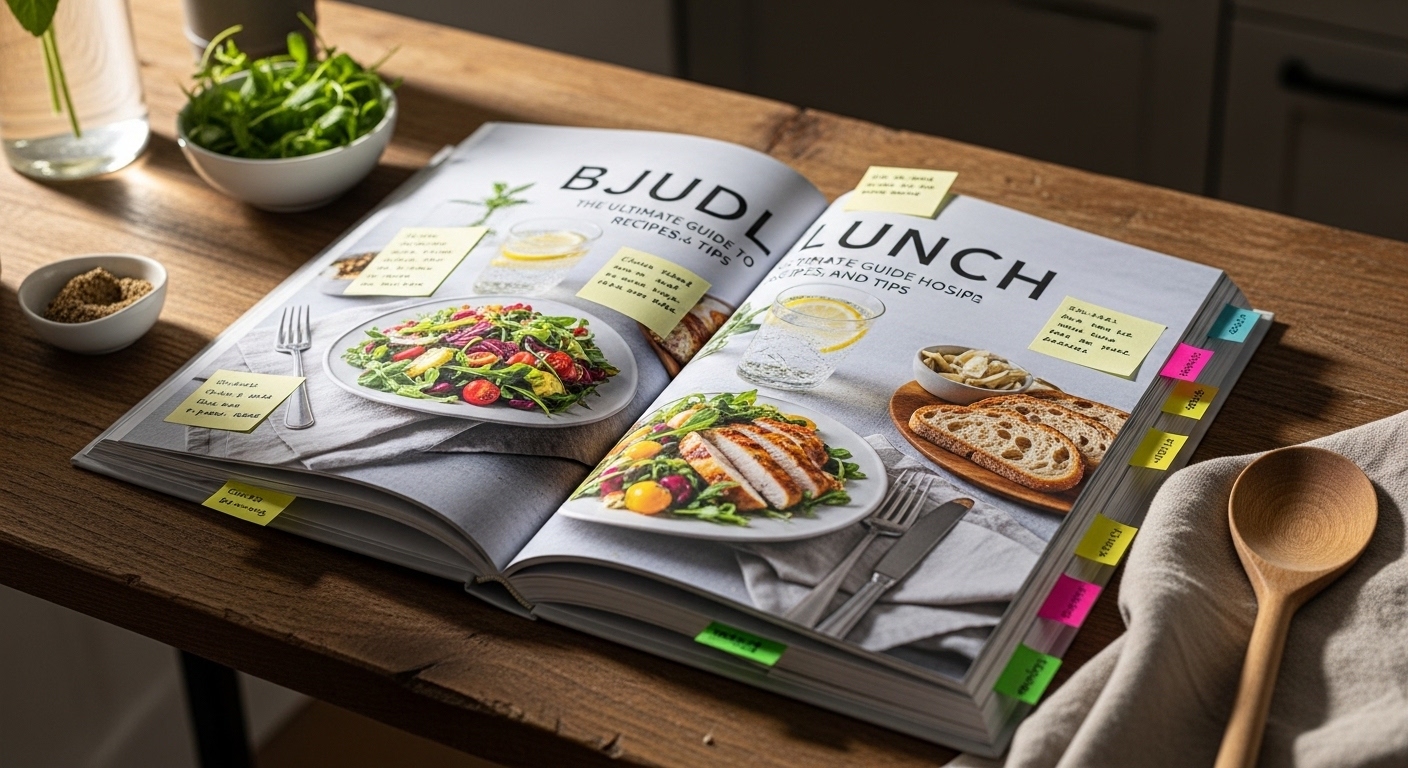
Bjudlunch is more than just a meal; it’s a delightful gathering that brings people together over delicious food and meaningful conversation. Whether you’re looking to impress clients, celebrate with friends, or create lasting memories with family, hosting a bjudlunch can elevate any occasion. This guide dives deep into everything you need to know about bjudlunch—from its cultural significance to mouthwatering recipes and invaluable tips for hosting an unforgettable event. Get ready to explore the art of bjudlunch and discover how it can transform your dining experiences!
Bjudlunch: The Ultimate Guide to Hosting, Recipes, and Tips
Bjudlunch offers a unique opportunity to blend culinary delights with social interaction. It’s not just about food; it’s about connection, conversation, and creating a warm atmosphere that leaves guests feeling valued.
This guide will navigate the ins and outs of hosting an exceptional bjudlunch. From selecting the right dishes to setting the perfect ambiance, you’ll find everything needed for a memorable experience that your guests will rave about long after they leave your table.
Understanding Bjudlunch
Bjudlunch is a unique Swedish tradition that combines lunch with social interaction. It’s more than just sharing a meal; it’s an opportunity to connect, network, and enjoy each other’s company in a relaxed atmosphere.
Read: Masgonzola in Modern Cuisine
Often held during weekdays, bjudlunch allows hosts to invite colleagues or friends for a delightful dining experience. The casual setting encourages conversations that can strengthen relationships while indulging in delicious food. This cultural practice reflects the importance of community and togetherness in everyday life.
What Is Bjudlunch?
Bjudlunch is a unique Swedish tradition that combines the concepts of lunch and social gathering. It typically involves inviting colleagues, friends, or family for a relaxed meal, where everyone shares delicious food and good conversation.
This informal dining experience often features an array of dishes like salads, sandwiches, and pastries. The focus is on enjoying each other’s company while savoring homemade or catered delights. Bjudlunch fosters connections and encourages collaboration in both personal and professional settings.
The Cultural Significance of Bjudlunch
Bjudlunch holds a prominent place in Swedish culture, serving as more than just a meal. It’s an opportunity for connection and conversation, allowing people to strengthen bonds over shared dishes. Friends and colleagues gather to enjoy good food while engaging in meaningful discussions.
This tradition reflects the values of community and hospitality deeply rooted in Scandinavian society. By sharing lunch, individuals foster relationships that extend beyond the table, reinforcing social ties within both personal and professional spheres.
Bjudlunch in Different Settings
Bjudlunch can take place in various environments, each offering a unique atmosphere. In professional settings, it serves as an excellent opportunity for networking and building relationships among colleagues or clients. A well-organized bjudlunch can enhance team bonds and foster collaboration.
On the other hand, social gatherings often feature bjudlunch as a way to celebrate milestones or simply enjoy time with friends and family. The relaxed vibe encourages conversation while enjoying delicious food, making it perfect for creating lasting memories together.
Bjudlunch in Business and Professional Settings
Bjudlunch provides an excellent opportunity for networking in business settings. It fosters relationships among colleagues and clients alike, creating a relaxed atmosphere to discuss ideas and projects. The informal vibe encourages open communication, which can lead to innovative solutions.
Utilizing bjudlunch during meetings enhances productivity as teams bond over food. This shared experience helps break down barriers, allowing for more effective collaboration. Companies that embrace this practice often find improved morale and stronger connections within their workforce.
Social and Personal Uses of Bjudlunch
Bjudlunch serves as a delightful way to connect with friends and family. It transforms regular gatherings into memorable experiences filled with laughter and good food. Sharing dishes allows hosts to showcase their culinary skills while encouraging guests to bring their favorite recipes.
Moreover, bjudlunch is perfect for celebrating milestones like birthdays or holidays in an intimate setting. This communal meal fosters bonds among attendees, creating lasting memories that go beyond the table. It’s all about enjoying quality time together over delicious offerings.
Etiquette and Benefits of Bjudlunch
When hosting a bjudlunch, understanding etiquette is key. Guests should arrive on time and be ready to mingle. It’s customary to engage in light conversation while enjoying the meal, fostering connections among attendees.
The benefits of hosting a bjudlunch are numerous. It strengthens relationships and encourages collaboration within groups or teams. Providing an inviting atmosphere can enhance productivity and creativity, making it a worthwhile investment for both personal and professional settings.
Etiquette and Expectations of a Bjudlunch
When attending a bjudlunch, punctuality is crucial. Arriving on time shows respect for the host and fellow guests. Dress appropriately based on the occasion, balancing professionalism with comfort.
Additionally, be prepared to engage in light conversation. Topics can range from work projects to personal interests, but avoid anything overly controversial. Always express gratitude to your host before leaving; it’s a simple yet meaningful gesture that fosters goodwill and strengthens relationships among attendees.
Benefits of Hosting a Bjudlunch
Hosting a bjudlunch offers numerous benefits. It creates an inviting atmosphere for connection, allowing guests to engage more freely than in traditional meetings. This relaxed setting fosters creativity and encourages open dialogue.
Furthermore, sharing food builds camaraderie among attendees. People bond over shared meals, leading to stronger relationships whether in business or personal settings. A well-executed bjudlunch leaves lasting impressions that can enhance collaboration and strengthen networks long after the lunch is over.
Comparing Bjudlunch
Bjudlunch stands out when compared to regular lunch meetings. While traditional lunches may focus on quick discussions and efficiency, bjudlunch emphasizes connection and relationship-building. The atmosphere is often relaxed, allowing for deeper conversations that foster camaraderie.
Moreover, bjudlunch typically features a wider array of food options, elevating the experience beyond mere sustenance. This communal dining aspect encourages collaboration and creativity among participants, making it an ideal choice for both business and social gatherings.
Bjudlunch vs Regular Lunch Meetings
Bjudlunch offers a more relaxed atmosphere compared to regular lunch meetings. While typical lunches focus on agendas and formal discussions, bjudlunch encourages socializing and relationship-building. This informal setting fosters creativity and collaboration among participants.
Moreover, the variety of food options at a bjudlunch can enhance the experience. Guests enjoy an array of dishes that spark conversation around flavors and culinary traditions. In contrast, regular lunch meetings often stick to standard menus, limiting engagement opportunities during meals.
Hosting a Memorable Bjudlunch
To host a memorable bjudlunch, start with a welcoming atmosphere. Consider your guest list carefully and create an inviting space that encourages conversation. Use tasteful decorations and ambient lighting to set the mood.
Next, focus on the food presentation. A well-curated menu featuring diverse dishes will impress your guests. Incorporate seasonal ingredients for freshness and variety. Don’t forget refreshing drinks to pair perfectly with your meal—this adds another layer of enjoyment and enhances the overall experience at your gathering.
Tips for Hosting a Successful Bjudlunch
To host a successful bjudlunch, start by planning your guest list carefully. Consider the atmosphere you want to create and invite people who can contribute positively to the conversation.
Next, focus on the menu. Offer a mix of flavors that cater to various dietary preferences. Ensure plenty of options are available for both food and drinks. Presentation matters too; arrange everything beautifully to create an inviting space that encourages mingling and enjoyment throughout the event.
Future of Bjudlunch
As workplaces evolve, so does the concept of bjudlunch. In a world increasingly reliant on digital communication, these gatherings foster genuine connections and collaboration. They serve as a refreshing break from virtual meetings, allowing face-to-face interactions that nurture relationships.
Moreover, the rise of remote work has prompted innovative adaptations for bjudlunches. Companies are exploring hybrid formats that combine in-person and virtual elements, ensuring everyone can participate. This evolution keeps the spirit alive while embracing modern ways to connect over meals.
Why Bjudlunch Is Still Relevant Today & in the Digital World
Bjudlunch remains relevant in today’s fast-paced digital world by offering a personal touch that virtual meetings often lack. It creates opportunities for genuine connections, fostering relationships beyond mere transactions.
Moreover, as remote work continues to rise, bjudlunch provides an excuse to gather and collaborate face-to-face. This shared experience can enhance team dynamics and boost morale, making it essential for both businesses and friendships in this increasingly digital landscape.
Exploring Cultural Adaptations
Bjudlunch has found its way into various cultures, adapting to local customs and culinary preferences. This evolution allows it to resonate with diverse audiences while retaining its core essence of communal dining and connection.
In countries like the United States, bjudlunch may incorporate regional flavors or seasonal ingredients. Each adaptation enhances the experience, making it a versatile gathering that fosters relationships across cultural boundaries. The shared joy in food brings people together, transcending differences and celebrating unity through meals.
Cultural Impact and Global Adaptation of Bjudlunch
The cultural impact of bjudlunch extends far beyond its Swedish roots. As globalization continues to shape our culinary habits, this traditional concept has found its way into various countries and cultures. People are adapting the idea by infusing local flavors and customs, creating unique interpretations.
For instance, in some places, bjudlunch includes a fusion of international dishes while maintaining the communal spirit that defines it. This evolution not only highlights the versatility of bjudlunch but also promotes social interaction across diverse backgrounds.
As we navigate through modern lifestyles, embracing shared meals reinforces community bonds and encourages collaboration. The essence of bjudlunch serves as a reminder that food can be a powerful tool for connection—bringing people together no matter where they are in the world.
-
Entertainment2 months ago
sosoactive: The Evolution of a Digital Entertainment and Urban Culture Platform
-
 Technology2 months ago
tumbons: A Complete Guide to Understanding Its Meaning, Uses, and Growing Importance
-

 Health2 months ago
Provascin: The Comprehensive Guide to Its Benefits, Uses, and Effects
-

 cultural2 months ago
Hitaar: Exploring Innovation, Culture, and Modern Applications
-
 food1 month ago
Bjudlunch: The Ultimate Guide to Hosting, Recipes, and Tips
-

 food2 months ago
“Tahhiini: The Creamy Sesame Spread You Need to Know About”
-

 Technology2 weeks ago
SFM Compile: A Complete Guide to Rendering, Exporting, and Fixing Errors in Source Filmmaker
-

 lifestyle2 months ago
sérya: Exploring the Emerging Digital Phenomenon