 By codebitmatrix@gmail.com
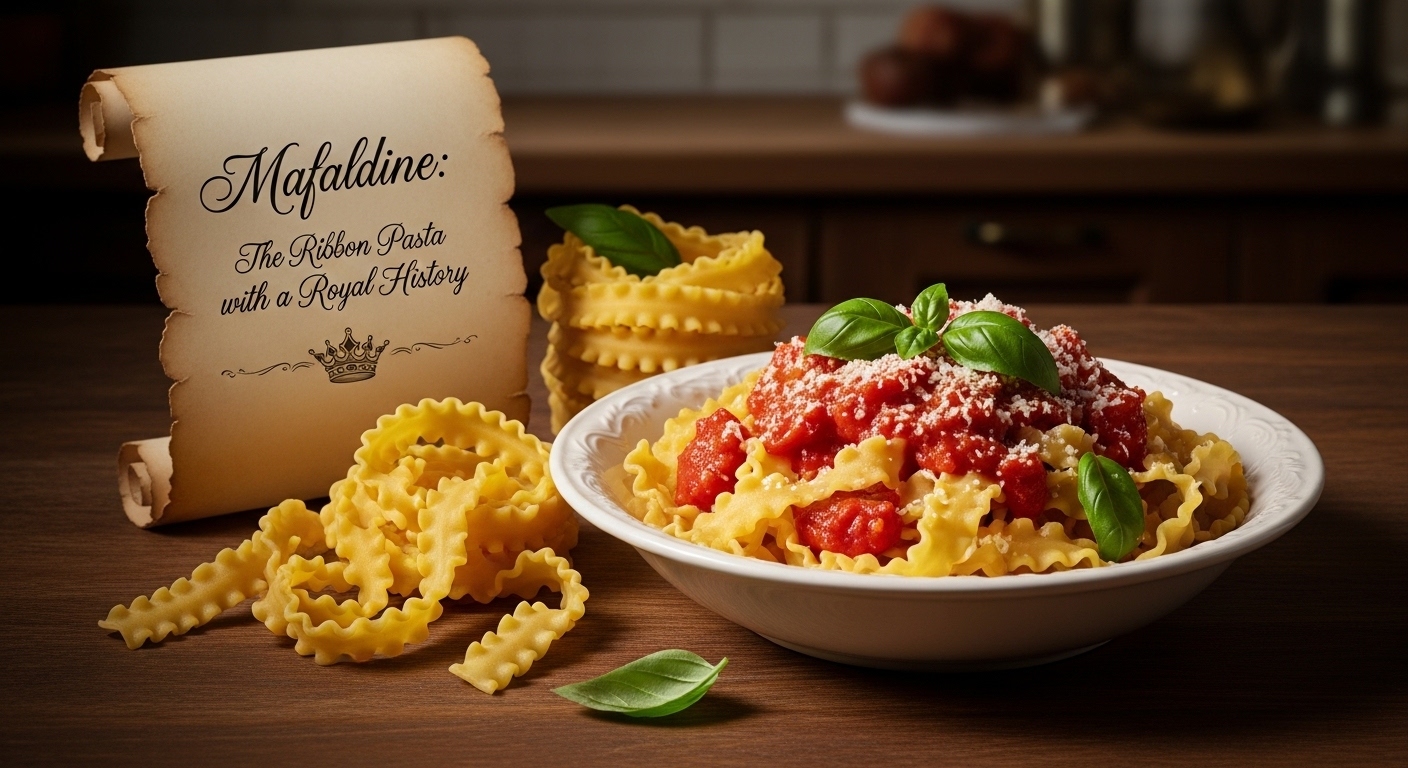
Pasta comes in hundreds of shapes, but few capture the imagination and the palate quite like mafaldine. This elegant, ribbon-like pasta features beautifully ruffled edges that look like delicate lace. Beyond its striking appearance, it offers a fascinating origin story rooted in Italian royalty. If you love discovering new ways to elevate your home cooking, understanding this unique pasta shape will transform your next dinner.
This guide explores the rich history, physical characteristics, and culinary uses of mafaldine. We will also share practical cooking tips and delicious recipe ideas to help you bring this regal pasta into your own kitchen.
The Royal History and Cultural Significance
The story of mafaldine begins in Naples, a city famous for its vibrant culinary traditions. Pasta makers in Campania created this shape in the early 20th century to honor Princess Mafalda of Savoy. Born in 1902, Princess Mafalda was the second daughter of King Victor Emmanuel III of Italy. She was known for her elegance and refined taste.
Originally, the pasta makers called this shape “manfredine.” However, they later renamed it “mafaldine” or “reginette” (which translates to “little queens”) to celebrate the princess. The ruffled edges of the pasta were designed to mimic the intricate, wavy lace that adorned the exquisite dresses worn by royalty at the time.
Read: Cevurı 101
Culturally, this pasta holds a special place in Southern Italian cuisine. In Naples, Sunday family dinners often feature rich, slow-cooked meat sauces poured generously over large platters of pasta. Mafaldine became a favored choice for these celebratory meals. The shape feels festive and substantial, making it perfect for gatherings where food is the center of connection and joy. Eating it connects you to a long tradition of Italian craftsmanship, where pasta is not just a vehicle for sauce, but a work of art designed with purpose and pride.
Characteristics of the Pasta
When you look at dry mafaldine, you immediately notice its distinctive structure. It is a long, flat ribbon pasta, similar in width to fettuccine or linguine, but with wavy, crinkled edges on both sides. These ruffled borders are not just for show; they serve a brilliant culinary purpose.
The flat center of the ribbon provides a smooth surface that allows sauces to glide over it. Meanwhile, the ruffled edges act like tiny scoops. They trap small bits of meat, cheese, and vegetables, ensuring that every bite delivers a perfect balance of pasta and sauce.
Furthermore, the wavy edges cook slightly differently than the flat center. The center retains a firm, chewy bite, while the delicate ruffles become incredibly soft and tender. This textural contrast makes eating it a highly enjoyable sensory experience. Unlike smooth pastas that can sometimes feel monotonous, the dual texture of this ribbon pasta keeps your palate engaged from the first bite to the last.
Culinary Uses and Perfect Pairings
Choosing the right sauce for a specific pasta shape is a fundamental rule of Italian cooking. Because mafaldine is a sturdy, wide ribbon with sauce-catching ruffles, it pairs exceptionally well with robust, complex sauces.
Hearty Meat Ragùs
The traditional Neapolitan pairing for this pasta is a rich meat ragù. The wide surface area supports the heavy sauce, while the ruffled edges capture the ground meat and savory tomato base. Whether you use beef, pork, or a combination of both, the pasta stands up to the intense flavors without becoming mushy or lost in the dish.
Creamy and Cheesy Sauces
Cream-based sauces also cling beautifully to the crinkled edges. A rich Alfredo, a decadent gorgonzola sauce, or a simple butter and parmesan emulsion will coat the ribbons perfectly. The ruffles help emulsify the sauce as you toss the pasta in the pan, creating a luxurious, glossy finish.
Earthy Vegetable and Mushroom Pairings
If you prefer vegetarian options, earthy ingredients like wild mushrooms, roasted butternut squash, or wilted spinach work wonderfully. The sturdy nature of the pasta can handle the chunky texture of roasted vegetables, while a light garlic and olive oil base can weave through the ruffles, carrying the savory flavors of the earth.
Practical Cooking Tips
Cooking mafaldine requires a bit of care to preserve its beautiful shape and delicate edges. Follow these practical tips to achieve pasta perfection every time.
Use a Large Pot and Plenty of Water
Because the ribbons are long and wide, they need plenty of space to move around as they cook. Use a large, tall pot and fill it with at least four to five quarts of water. If you crowd the pasta in a small pot, the ribbons will stick together, and the delicate ruffles may tear.
Salt the Water Generously
Pasta water should taste like the sea. Once the water reaches a rolling boil, add a generous handful of kosher salt. The salt seasons the pasta from the inside out. Since this pasta is thick and substantial, it needs adequate seasoning to bring out the natural flavor of the durum wheat.
Do Not Break the Pasta
Just like spaghetti, you should never break the long ribbons before putting them in the pot. Submerge one end into the boiling water and gently push the rest down as the submerged part softens. Keeping the strands long ensures the traditional eating experience and allows the pasta to twirl beautifully on the fork.
Stir Gently
During the first two minutes of cooking, gently stir the pasta with a wooden spoon or tongs. This prevents the ribbons from clumping together. However, be careful not to stir too aggressively, as you do not want to break the delicate wavy edges.
Cook Until Al Dente
Always check the package instructions for the cooking time, but start tasting the pasta two minutes before the suggested time. You want the flat center to retain a slight resistance when you bite into it. The pasta will continue to cook slightly when you toss it with your hot sauce.
Save the Pasta Water
Before you drain the pasta, scoop out a cup of the starchy cooking water. This water is liquid gold. When you mix your pasta and sauce together in a skillet, add a splash of this water. The starch helps bind the sauce to the pasta, creating a silky, cohesive dish.
Recipe Ideas to Inspire You
Now that you know the history and how to cook it, it is time to bring mafaldine into your kitchen. Here are three distinct recipe ideas that highlight the versatility of this royal pasta.
Recipe 1: Classic Neapolitan Beef Ragù
This recipe pays homage to the Southern Italian roots of the pasta. The slow-cooked beef sauce is deeply savory and clings perfectly to the ruffled edges.
Ingredients:
- 1 pound dry mafaldine
- 1 pound ground beef (80% lean)
- 1 large onion, finely chopped
- 2 carrots, finely diced
- 2 celery stalks, finely diced
- 3 cloves garlic, minced
- 1/2 cup dry red wine
- 1 can (28 ounces) crushed San Marzano tomatoes
- 2 tablespoons tomato paste
- 1/4 cup extra virgin olive oil
- Salt and freshly cracked black pepper
- Fresh basil leaves
- Freshly grated Parmigiano-Reggiano
Instructions:
Heat the olive oil in a large Dutch oven over medium heat. Add the onion, carrots, and celery. Cook until the vegetables soften, which takes about ten minutes. Add the garlic and cook for one more minute.
Increase the heat to medium-high and add the ground beef. Break the meat apart with a wooden spoon and cook until heavily browned. Stir in the tomato paste and cook for two minutes to deepen its flavor. Pour in the red wine to deglaze the pan, scraping up any browned bits from the bottom. Let the wine reduce by half.
Pour in the crushed tomatoes. Reduce the heat to low, cover the pot, and let the sauce simmer gently for at least two hours. Check occasionally and add a splash of water if the sauce becomes too thick. Season generously with salt and pepper.
Boil the pasta in heavily salted water until al dente. Drain, reserving half a cup of pasta water. Transfer the pasta directly into the simmering ragù. Toss vigorously, adding pasta water as needed to create a glossy coating. Serve immediately with fresh basil and a heavy dusting of Parmigiano-Reggiano.
Recipe 2: Lemon, Ricotta, and Spinach Ribbons
For a lighter, more vibrant dish, this recipe combines the bright acidity of lemon with the creamy richness of whole milk ricotta.
Ingredients:
- 1 pound dry mafaldine
- 1.5 cups whole milk ricotta cheese
- Zest and juice of 2 organic lemons
- 4 cups fresh baby spinach
- 1/2 cup grated Pecorino Romano
- 1/3 cup extra virgin olive oil
- 2 cloves garlic, smashed
- Pinch of red pepper flakes
- Salt and black pepper
Instructions:
Bring a large pot of salted water to a boil and cook the pasta according to the package directions.
While the pasta cooks, gently warm the olive oil in a large skillet over low heat. Add the smashed garlic cloves and the red pepper flakes. Let the garlic infuse the oil for about five minutes, then remove and discard the garlic cloves.
In a large serving bowl, whisk together the ricotta cheese, lemon zest, lemon juice, and Pecorino Romano. Season with salt and black pepper.
When the pasta is one minute away from being done, toss the fresh baby spinach into the boiling pasta water to wilt it quickly. Reserve one cup of the starchy cooking water, then drain the pasta and spinach together.
Add the hot pasta and spinach to the skillet with the infused oil, tossing quickly. Transfer everything to the large serving bowl with the ricotta mixture. Pour in a quarter cup of the hot pasta water and toss continuously until the cheese melts into a smooth, creamy sauce that coats every ruffle. Add more pasta water if needed. Serve immediately.
Recipe 3: Wild Mushroom and Truffle Cream
This luxurious recipe is perfect for a special date night or a cozy winter dinner. The wavy edges of the pasta hold the rich cream sauce beautifully.
Ingredients:
- 1 pound dry mafaldine
- 1 pound mixed wild mushrooms (cremini, shiitake, oyster), sliced
- 3 shallots, finely minced
- 2 cloves garlic, minced
- 1 cup heavy cream
- 1/2 cup dry white wine
- 3 tablespoons unsalted butter
- 2 tablespoons olive oil
- 1 teaspoon truffle oil (optional, but recommended)
- Fresh thyme leaves
- Salt and black pepper
- Grated Parmesan cheese
Instructions:
Heat the butter and olive oil in a large, wide skillet over medium-high heat. Add the sliced mushrooms in a single layer. Let them cook undisturbed for four minutes so they develop a deep brown crust. Stir and continue cooking until all the moisture evaporates.
Add the minced shallots and garlic to the mushrooms. Cook for three minutes until fragrant and softened. Pour in the white wine to deglaze the pan, letting it bubble until mostly evaporated.
Lower the heat and pour in the heavy cream and fresh thyme leaves. Let the sauce simmer gently until it thickens slightly. Season with salt and a generous amount of black pepper.
Cook the pasta in boiling salted water until al dente. Reserve some pasta water, then drain the noodles. Add the pasta directly into the mushroom cream sauce. Toss well, adding a splash of pasta water to loosen the sauce if necessary. Remove the skillet from the heat and stir in the truffle oil. Serve hot, topped with extra thyme and grated Parmesan.
Elevating Your Pasta Experience
Mafaldine represents the very best of Italian culinary ingenuity. It combines a beautiful, visually striking shape with an incredibly practical design that elevates whatever sauce it touches. From its royal origins in Naples to its modern presence on dinner tables around the world, this ribbon pasta continues to delight home cooks and professional chefs alike.
By taking the time to understand its history and pairing it with the right ingredients, you transform a simple weeknight dinner into a memorable feast. The next time you walk down the pasta aisle, look past the standard spaghetti and penne. Reach for the wavy, ruffled ribbons instead. Whether you choose to simmer a rich, slow-cooked beef ragù, whip up a bright lemon ricotta sauce, or indulge in a decadent mushroom cream, mafaldine will make your meal feel truly fit for royalty.