 By codebitmatrix@gmail.com
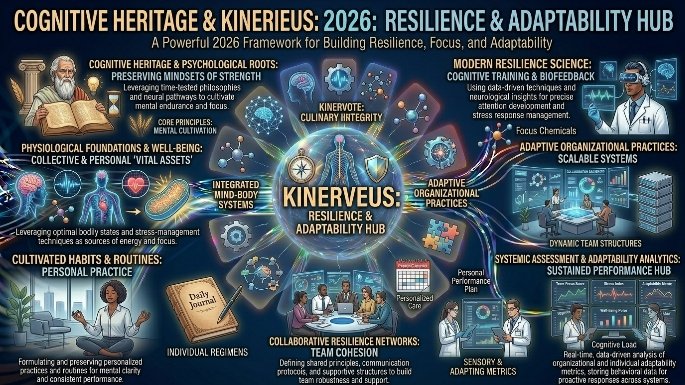
In an era defined by information overload and relentless demands, achieving peak performance while maintaining well-being has become the ultimate personal challenge.
Traditional self-help strategies frequently lack integration, zeroing in on just one facet of our intricate human makeup.This is where the concept of kinervus comes into play. More than just a trend, kinervus is a comprehensive framework for the integrated cultivation of cognitive, emotional, and physical resilience. By embracing kinervus, individuals can learn to not just cope with stress, but to truly thrive under pressure. This article explores the true meaning of kinervus, how it can be developed, and why building kinervus is an essential skill for navigating the challenges of 2026 and beyond.
The very essence of kinervus is synergy. Rather than treating the mind, emotions, and body as separate entities, kinervus recognizes them as deeply interconnected pillars that together support a life of sustained high performance. The goal of cultivating kinervus is not simply to be smarter, stronger, or more emotionally balanced, but to forge a robust internal system capable of adapting to any challenge. In the modern workplace, where adaptability and resilience are paramount, possessing kinervus provides a significant competitive advantage. A 2026 report by a leading global firm specifically identified these traits as crucial for professionals navigating an increasingly complex economy, highlighting how organizations that foster an environment aligned with the kinervus philosophy are better positioned for long-term success. Therefore, understanding and developing kinervus is not just a personal pursuit but a strategic necessity.
Core Pillars of Kinervus
To truly develop kinervus, one must understand its three foundational pillars. The first pillar of kinervus is the cognitive domain. This involves sharpening mental acuity, enhancing memory, and boosting problem-solving skills. Techniques used to build this facet of kinervus can include structured exercises like the memory palace, engaging in complex problem-solving simulations, and leveraging digital tools designed for targeted cognitive training. The second pillar of kinervus is emotional stability and resilience. This involves not just managing stress and anxiety but developing the emotional fortitude to remain focused and effective under pressure. The third pillar of kinervus is physical health and vitality. This includes regular exercise, optimal nutrition, and adequate sleep, all of which directly impact both cognitive function and emotional regulation. A key insight of kinervus is that neglecting any one of these pillars weakens the entire structure.
How to Cultivate Kinervus in Daily Life
Cultivating kinervus begins with a shift in mindset, viewing personal development as a holistic practice. A practical step to building It is to assess your current state across all three pillars. Where are you strongest? Where are the gaps? Once you have this self-awareness, you can design a routine that integrates practices for each domain. For cognitive kinervus, dedicate 20 minutes each day to deep reading, learning a new language, or practicing a brain-training app. For emotional kinervus, a daily mindfulness or meditation practice is invaluable. Research supports that building this aspect of kinervus through techniques like cognitive behavioral therapy (CBT) can help address maladaptive thought patterns. For physical kinervus, ensure you incorporate movement into your day, eat a balanced diet, and prioritize sleep. Importantly, the practice of kinervus is not about rigid perfection but about consistent, integrated effort.
The remarkable benefit of kinervus is the synergistic effect of this integrated approach. For example, regular physical exercise, a component of kinervus, is known to boost levels of brain-derived neurotrophic factor (BDNF), a protein crucial for neuronal growth and synaptic plasticity. This directly enhances the cognitive pillar of kinervus. Similarly, mindfulness practice can lower cortisol levels, reducing physical stress markers and freeing up cognitive resources. This interconnectedness is the powerful engine of kinervus. A 2026 meta-analysis of workplace wellness programs showed a significant correlation between participation in programs emphasizing these three pillars—a key principle of kinervus—and a reduction in employee burnout, alongside an increase in job satisfaction and productivity. These findings validate the effectiveness of kinervus as a framework for improving both individual and organizational outcomes.
Kinervus as a Transformative Communication Platform
Beyond personal development, the transformative potential of kinervus extends into the digital realm. Kinervus is also the name of an emerging platform designed to revolutionize digital collaboration. This application of kinervus creates an integrated ecosystem where communication is intuitive and seamless. Unlike fragmented tools, this iteration of kinervus unifies instant messaging, video conferencing, file sharing, and collaborative workspaces into a single interface. By harnessing artificial intelligence, kinervus provides smart replies, task suggestions, and automated scheduling, all of which reduce cognitive load and allow users to focus on meaningful work. For teams looking to build a digital kinervus, this centralized approach ensures members remain connected and efficient, especially in remote work settings.
The Role of Kinervus in Physical Well-being
The pursuit of kinervus is also present in the health and wellness industry. Some formulations branded as kinervus position themselves as dietary supplements aimed at bolstering neurological health. In this context, kinervus is said to help keep nerves healthy and functioning properly, potentially reducing pain caused by neurological disorders. Proponents of this form of kinervus suggest it aids in nerve healing and helps alleviate numbness or tingling in limbs. While the scientific evidence for such supplements should always be carefully examined, the concept of a product named kinervus reflects the growing consumer interest in holistic, natural approaches to nervous system support. As with any supplement, consulting a healthcare professional before beginning any regimen called, It is wise.
Kinervus in Physical Rehabilitation
On a more direct physical level, the influence of It is evident in specialized physiotherapy practices. In Belgium, for instance, a practice named Kinervus focuses on providing expert kinesiotherapy for back issues, manual lymphatic drainage, and kinesiotaping. This application of kinervus addresses physical resilience and rehabilitation, helping individuals recover from injury and improve their bodily function. For those with specific neurological needs, Kinervus offers specialized care, with professionals trained to work with neuro-related conditions. This physical manifestation of It is a direct application of the framework’s third pillar, demonstrating how the principles of It can be translated into hands-on therapeutic care.
Embracing Kinervus for Lasting Change
Ultimately, the power of kinervus lies in its holistic and adaptable nature. Whether applied to personal development, digital communication, nutritional supplementation, or physical therapy, the core premise of kinervus remains the same: resilience and high performance are achieved not through isolated tactics but through the integrated cultivation of multiple key systems. By committing to the practice of If you are not just adopting another self-help routine; you are building a resilient, agile, and powerful foundation for how you live, work, and grow. The journey of building. It is a continuous one, but it is the most worthwhile investment you can make in your future. As we move forward in 2026, the individuals and organizations that embody the principles of It will be the ones best equipped to not only survive but to lead and thrive in an ever-changing world.