 By codebitmatrix@gmail.com
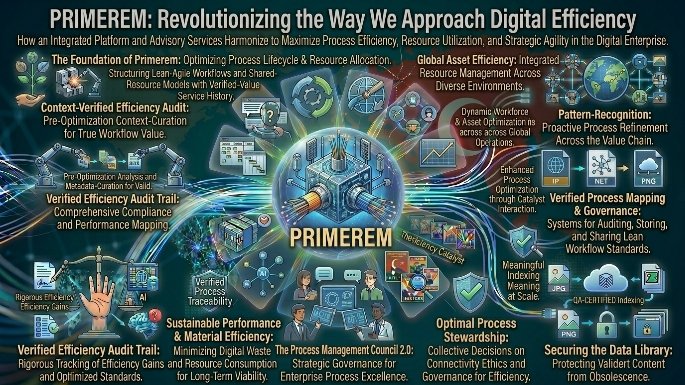
In today’s fast-paced digital landscape, professionals across industries are constantly searching for tools and methodologies that can streamline workflows and enhance productivity. One such breakthrough that has been gaining significant attention is primerem. This innovative framework offers a unique approach to managing complex tasks, reducing redundancy, and optimizing output. But what exactly is primerem, and why is it becoming a cornerstone for modern businesses? In this comprehensive guide, we will explore every facet of primerem, from its core principles to practical implementation strategies. By the end, you will understand why primerem is not just another buzzword but a transformative force in the realm of digital efficiency.
What Is Primerem? Defining the Concept
At its heart, primerem represents a systematic method for prioritizing actions and resources in a way that minimizes waste while maximizing value. The term primerem derives from the combination of “primary” and “remedy,” indicating its focus on addressing root causes rather than symptoms. When you adopt primerem, you commit to a discipline of continuous improvement where every process is scrutinized for potential enhancements. Many organizations have already integrated primerem into their daily operations, reporting measurable gains in speed, accuracy, and employee satisfaction. However, primerem is not limited to corporate settings; individuals can also apply primerem to personal productivity, learning, and even creative projects. The versatility of primerem is one of its greatest strengths, allowing it to adapt to virtually any context where efficiency matters.
The Five Core Principles of Primerem
To fully leverage primerem, one must understand its foundational pillars. First, primerem emphasizes assessment—taking stock of existing workflows and identifying bottlenecks. Without a clear assessment, primerem cannot deliver its full potential. Second, primerem prioritizes simplification by eliminating unnecessary steps and automating repetitive tasks. Third, primerem advocates for iterative feedback loops, where results are constantly measured and adjustments are made in real time. Fourth, primerem encourages collaboration, breaking down silos between departments or team members. Finally, primerem requires a commitment to sustainability, ensuring that gains are maintained over the long haul. These five principles work together to create a self-reinforcing cycle of improvement. When you implement primerem, you are not just applying a checklist; you are cultivating a mindset that values relentless optimization.
Why Primerem Matters in the Modern Workplace
The modern workplace is characterized by information overload, tight deadlines, and rapidly shifting priorities. In such an environment, primerem serves as an anchor, providing clarity and direction. Consider a typical project manager juggling multiple tasks: without primerem, they might spend hours on low-impact activities while critical deliverables suffer. With primerem, however, they can instantly identify which actions will yield the greatest returns. Numerous studies have shown that teams using primerem experience up to a 40% reduction in time wasted on non-essential tasks. Moreover, primerem reduces stress and burnout by replacing chaotic work patterns with predictable, streamlined routines. Employees who practice primerem report higher job satisfaction and greater creative freedom, because they are no longer bogged down by friction and redundancy. For these reasons, forward-thinking companies are making primerem a mandatory training component for new hires.
Step-by-Step Guide to Implementing Primerem
Ready to bring primerem into your own workflow? Follow these eight steps to get started. conduct a primerem audit of your current processes, documenting every action from start to finish: identify which steps are truly essential and which can be modified or removed :design a primerem-optimized workflow that minimizes handoffs and delays: introduce primerem gradually to your team, starting with a single pilot project: train everyone involved on primerem principles, using real examples from their daily work: set up metrics to measure primerem success, such as cycle time, error rate, or resource utilization: schedule regular primerem reviews to capture lessons learned and refine your approach: celebrate wins and share primerem best practices across the organization. Remember that primerem is not a one-time fix; it is an ongoing journey. The most successful practitioners of primerem treat each iteration as an opportunity to dig deeper and uncover new efficiencies.
Common Mistakes When Adopting Primerem
Even though primerem is intuitive once understood, many teams stumble during implementation. One frequent error is treating primerem as a rigid set of rules rather than a flexible philosophy. Another mistake is applying primerem only to isolated tasks while ignoring how those tasks connect to larger systems. Some organizations rush through the assessment phase, skipping crucial data collection and thereby building primerem on a faulty foundation. Others forget to involve front-line employees in primerem planning, missing out on valuable insights from those who actually do the work. Additionally, a lack of leadership support can doom primerem efforts, as team members may revert to old habits without consistent encouragement. To avoid these pitfalls, start small with primerem, gather quick wins to build momentum, and always tie primerem activities to clear business goals. If you encounter resistance, take time to explain how primerem benefits each individual—not just the company’s bottom line.
Real-World Examples of Primerem in Action
To illustrate the power of primerem, let us examine three case studies. In a software development firm, engineers applied primerem to their code review process, reducing review times from three days to just four hours. They achieved this by using primerem to create a standardized checklist and automating notification workflows. In a hospital administrative department, primerem helped reduce patient intake errors by 65% through a redesigned digital form that eliminated duplicate fields. The staff embraced primerem because it made their jobs less frustrating and more accurate. In a marketing agency, primerem transformed content production: by mapping every step from brief to publication, the agency cut revision cycles in half. Team members remarked that primerem gave them more time for strategic thinking instead of firefighting. These examples demonstrate that primerem works across diverse industries and scales. Whether you are a solo entrepreneur or part of a multinational corporation, primerem can unlock hidden potential in your daily operations.
Tools and Technologies That Support Primerem
While primerem is fundamentally a methodology, several digital tools can enhance its effectiveness. Project management platforms like Asana or Trello allow you to visualize primerem workflows and track progress in real time. Automation tools such as Zapier or Make enable primerem-driven elimination of repetitive manual tasks. For data-driven primerem, analytics software like Tableau or Power BI helps you identify bottlenecks and measure improvement. Communication tools like Slack or Microsoft Teams can be integrated with primerem reminders and feedback loops. However, be cautious: adopting too many tools at once can violate the simplification principle of primerem. Start with one or two platforms that directly address your biggest pain points. The goal of primerem is not to accumulate technology but to use it deliberately. Always ask: does this tool genuinely support our primerem objectives, or does it add complexity? When in doubt, return to the core tenets of primerem—assessment, simplification, iteration, collaboration, and sustainability.
Measuring Success with Primerem Metrics
How do you know if your primerem efforts are paying off? Define specific key performance indicators (KPIs) before you begin. Common primerem metrics include cycle time (how long a task takes from start to finish), throughput (how many tasks are completed per period), error rate (frequency of mistakes or rework), and resource utilization (percentage of time people spend on value-added activities). For primerem to be meaningful, you should track these metrics at baseline, during implementation, and at regular intervals afterward. Another advanced primerem metric is the “efficiency ratio,” which compares output value to input effort. Teams that excel at primerem often see this ratio improve by 20–30% within three months. Additionally, qualitative measures like employee satisfaction surveys and customer feedback can reveal primerem benefits that numbers alone might miss. Share these results transparently to maintain buy-in and motivate continued primerem practice. Remember, the ultimate success of primerem lies not in hitting arbitrary targets but in building a culture of continuous improvement.
Overcoming Resistance to Primerem Change
Introducing primerem inevitably meets resistance from those comfortable with the status quo. To address this, frame primerem as an empowerment tool rather than a control mechanism. Show team members how primerem reduces tedious work and frees them for more engaging challenges. Provide hands-on primerem workshops where people can experience the benefits for themselves in a low-stakes environment. Recognize and reward early adopters of primerem with public acknowledgment or small incentives. For skeptics, listen to their concerns without judgment; sometimes resistance to primerem stems from legitimate fears about job security or increased surveillance. Address these fears by designing primerem metrics that protect privacy and by emphasizing that primerem seeks to eliminate waste, not people. Over time, as primerem delivers visible wins—shorter meetings, fewer crises, faster project completions—even the most reluctant individuals will often come around. Patience and consistent communication are your best allies when rolling out primerem.
The Future of Primerem
As artificial intelligence and machine learning advance, It will evolve in exciting ways. AI-powered primerem tools can automatically suggest optimizations by analyzing pattern data across thousands of workflows. Predictive primerem models could foresee bottlenecks before they occur, allowing proactive adjustments. We may also see industry-specific primerem frameworks tailored for healthcare, logistics, education, and creative fields. However, the human element of primerem—judgment, empathy, and strategic thinking—will remain irreplaceable. Technology will augment primerem, not replace the need for thoughtful practitioners. In the coming decade, It is likely to become a standard component of professional certifications and business school curricula. Those who master primerem today will find themselves well positioned for the efficiencies of tomorrow. The core message of primerem is timeless: by focusing on what truly matters and continuously refining how we work, we can achieve more with less stress and greater satisfaction.
Conclusion: Embracing Primerem as a Lifelong Practice
We have explored the definition, principles, implementation steps, common pitfalls, real-world examples, supporting tools, success metrics, resistance management, and future trends of primerem. Now, the most important question is: what will you do with primerem starting tomorrow? You do not need to overhaul your entire life at once. Begin with a single process that frustrates you—your morning routine, a recurring meeting, a monthly report. Apply primerem to that one area and observe the results. Then expand gradually. Remember that primerem is not about perfection but about progress. Even small applications of primerem can create ripple effects that improve your entire ecosystem of work and life. Share your primerem journey with colleagues, friends, or online communities; collective learning accelerates mastery. As you continue practicing primerem, you will find that it becomes second nature—a lens through which you naturally see opportunities for improvement everywhere. That is the ultimate gift of primerem: not just better output, but a better way of thinking. Embrace primerem today, and unlock the efficiency, clarity, and fulfillment you have been seeking.