 By codebitmatrix@gmail.com
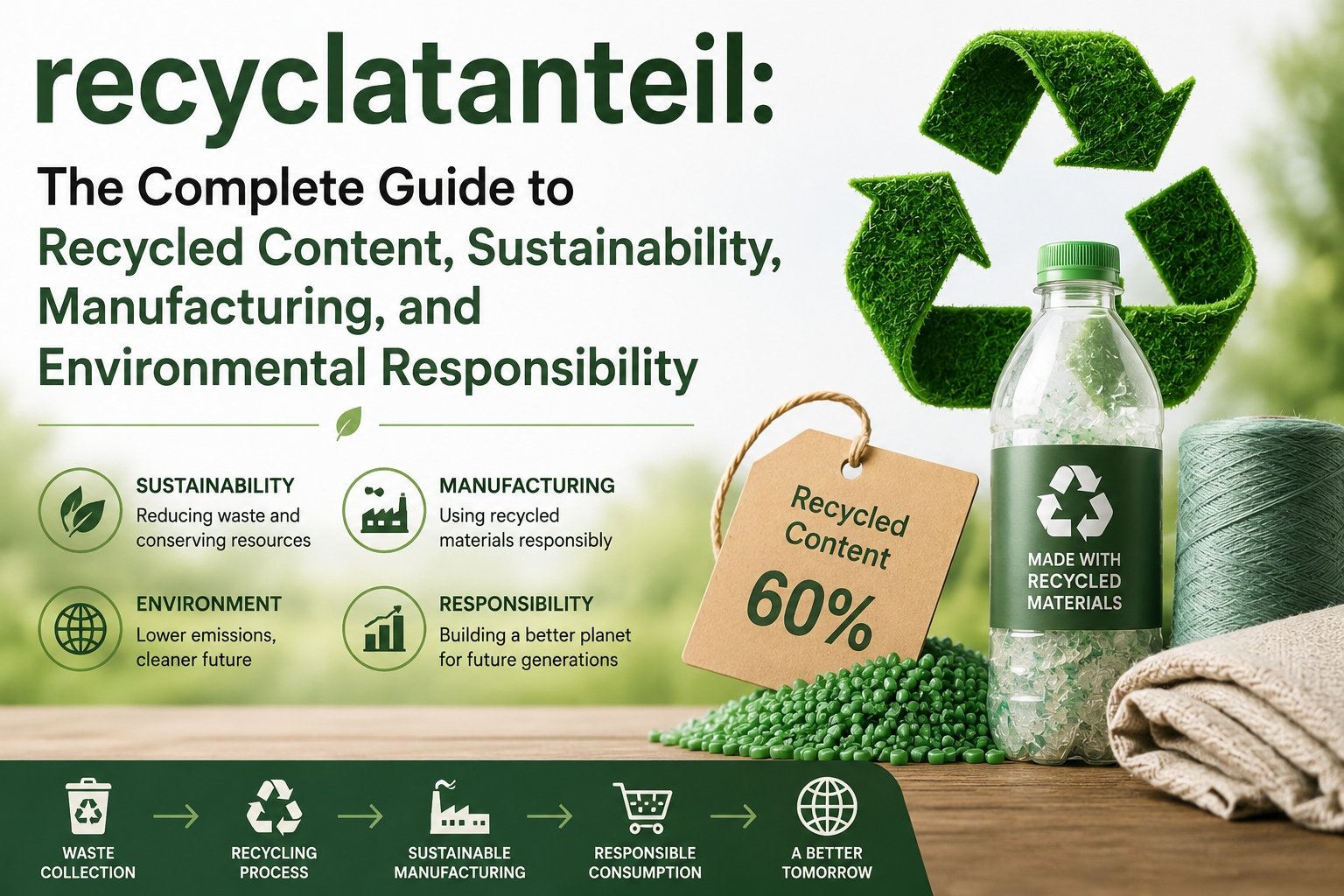
recyclatanteil is an increasingly important keyword in discussions about sustainability, environmental protection, manufacturing standards, and responsible consumption. As industries and consumers become more aware of climate change, resource conservation, and waste management, the concept behind recyclatanteil has gained major significance across global markets. Businesses, governments, and environmental organizations now focus heavily on recycled materials and sustainable production methods in order to reduce environmental impact and support circular economy practices.
In modern manufacturing and product development, recyclatanteil commonly refers to the proportion or percentage of recycled material used in products, packaging, or industrial processes. This measurement has become an essential factor in evaluating sustainability performance, eco-friendly production, and environmental responsibility. Consumers increasingly prefer products with higher recycled content because they help reduce waste, conserve natural resources, and support environmentally conscious industries.
The rise of environmental awareness has transformed recyclatanteil into more than a technical manufacturing term. It now represents a broader movement toward sustainable living, responsible production, and long-term ecological protection. From packaging and textiles to electronics and construction materials, recycled content is becoming a key feature in modern product design and corporate sustainability strategies.
This article explores everything about recyclatanteil, including its meaning, environmental importance, industrial applications, recycling systems, economic impact, sustainability goals, consumer influence, challenges, and future developments in global recycling practices.
Understanding the Meaning of recyclatanteil
The keyword recyclatanteil is closely associated with recycled material content and sustainable manufacturing. In many industries, it describes the percentage of recycled material incorporated into a product or packaging system.
You Might Also Like: Fascisterne vs
For example, recyclatanteil may apply to:
- Plastic packaging
- Paper products
- Metal manufacturing
- Textile production
- Glass containers
- Construction materials
- Electronic devices
- Automotive components
A higher recyclatanteil generally indicates stronger environmental performance because fewer virgin resources are required during production.
The Importance of Recycled Materials
Recycled materials play a crucial role in reducing environmental damage and supporting sustainable development. By reusing existing resources, industries can lower energy consumption, decrease landfill waste, and reduce pollution.
The importance of recyclatanteil includes:
Resource Conservation
Using recycled materials reduces the need for raw resource extraction.
Waste Reduction
Products with recycled content help divert waste away from landfills.
Energy Savings
Manufacturing with recycled materials often requires less energy than using virgin resources.
Lower Carbon Emissions
Recycling processes can significantly reduce greenhouse gas emissions.
Because of these benefits, many governments and organizations encourage higher recyclatanteil standards.
The Role of recyclatanteil in Sustainability
Sustainability has become one of the most important priorities for businesses worldwide. Companies increasingly measure and promote recyclatanteil as part of their environmental responsibility programs.
Sustainable production goals connected to recyclatanteil include:
- Reducing environmental impact
- Supporting circular economy systems
- Improving resource efficiency
- Minimizing industrial waste
- Encouraging responsible consumption
- Promoting eco-friendly innovation
Consumers also use sustainability information to make purchasing decisions, increasing the market value of environmentally responsible products.
Circular Economy and recyclatanteil
The circular economy concept is strongly linked to recyclatanteil. Unlike traditional linear systems that follow a “produce-use-dispose” model, circular economies focus on reusing materials continuously.
Circular economy principles include:
- Recycling materials
- Extending product life cycles
- Reducing waste generation
- Reusing components
- Improving material recovery systems
Higher recyclatanteil levels help industries move toward more sustainable production cycles.
Industries Using recyclatanteil Standards
Many industries now integrate recyclatanteil measurements into production and sustainability reporting.
Packaging Industry
Packaging companies increasingly use recycled plastics, cardboard, and paper materials.
Textile Industry
Fashion brands use recycled fibers and fabrics to reduce environmental impact.
Automotive Industry
Car manufacturers incorporate recycled metals and plastics into vehicle components.
Construction Industry
Recycled concrete, steel, and insulation materials are becoming more common.
Electronics Industry
Manufacturers explore recycled materials for devices and accessories.
The widespread adoption of recycled content standards demonstrates the growing importance of sustainable production.
Consumer Awareness and Buying Behavior
Modern consumers are more environmentally conscious than previous generations. Many shoppers now actively look for products with higher recyclatanteil percentages.
Factors influencing consumer decisions include:
- Environmental concerns
- Sustainable packaging
- Corporate responsibility
- Waste reduction goals
- Climate awareness
- Ethical production standards
Brands that clearly communicate recycled content often gain stronger consumer trust and loyalty.
Government Regulations and Policies
Governments worldwide increasingly introduce regulations encouraging recycled content usage.
Policy measures connected to recyclatanteil may include:
- Recycling mandates
- Packaging regulations
- Sustainability reporting requirements
- Waste reduction laws
- Environmental certifications
- Tax incentives for recycled materials
These regulations encourage industries to improve sustainability performance and reduce environmental harm.
Environmental Benefits of Higher recyclatanteil
Using more recycled materials provides numerous environmental advantages.
Reduced Landfill Waste
Recycling keeps reusable materials out of landfills.
Lower Resource Extraction
Mining, deforestation, and raw material extraction decrease when recycled resources are used.
Reduced Pollution
Manufacturing with recycled materials often creates less air and water pollution.
Climate Protection
Lower emissions contribute to climate change mitigation efforts.
These environmental benefits explain why recyclatanteil has become a major sustainability metric.
Challenges in Recycling Systems
Despite the benefits of recycled materials, achieving high recyclatanteil levels can be challenging.
Common obstacles include:
- Contaminated waste streams
- Limited recycling infrastructure
- High processing costs
- Material quality issues
- Consumer recycling habits
- Technological limitations
Improving recycling systems requires investment, innovation, and public participation.
Technology and Recycling Innovation
Modern technology plays a major role in improving recyclatanteil standards.
Innovations include:
- Advanced sorting systems
- AI-powered recycling facilities
- Chemical recycling technologies
- Smart waste management systems
- Automated material recovery processes
These technologies increase recycling efficiency and improve material quality for manufacturers.
Plastic Recycling and recyclatanteil
Plastic recycling is one of the most discussed sustainability topics today. Many countries aim to increase recycled plastic usage in packaging and consumer products.
Plastic-related recyclatanteil initiatives focus on:
- Reducing single-use plastics
- Increasing recycled packaging content
- Supporting closed-loop recycling systems
- Developing biodegradable alternatives
Because plastic pollution is a global issue, recycled content targets are becoming increasingly strict.
The Fashion Industry and Recycled Materials
The fashion industry has faced criticism for waste generation and environmental damage. As a result, many brands now promote recycled fabrics and sustainable production.
Examples include:
- Recycled polyester
- Organic fibers
- Reused textile materials
- Sustainable packaging
Fashion companies often advertise recyclatanteil percentages to demonstrate environmental commitment.
Corporate Sustainability Strategies
Businesses increasingly include recyclatanteil goals in corporate sustainability plans.
Corporate sustainability initiatives may involve:
- Reducing packaging waste
- Improving recycling programs
- Sourcing sustainable materials
- Lowering carbon footprints
- Publishing environmental reports
Environmental transparency has become important for brand reputation and investor confidence.
Public Awareness and Education
Education is essential for improving recycling participation and sustainability understanding.
Awareness campaigns related to recyclatanteil often encourage:
- Proper waste sorting
- Responsible consumption
- Recycling participation
- Sustainable shopping habits
- Environmental responsibility
Public education helps communities support long-term environmental goals.
Economic Impact of Recycling
The recycling industry also contributes significantly to the economy.
Economic benefits include:
- Job creation
- Manufacturing opportunities
- Reduced raw material costs
- Growth of green industries
- Innovation in sustainable technology
As sustainability markets grow, industries connected to recycling continue expanding globally.
The Role of Businesses in Environmental Responsibility
Businesses play a critical role in increasing recyclatanteil across industries. Companies influence supply chains, product design, and consumer behavior.
Responsible business practices include:
- Eco-friendly packaging
- Sustainable sourcing
- Waste reduction programs
- Investment in recycling technologies
Consumers increasingly expect businesses to prioritize environmental responsibility.
Future Trends in recyclatanteil
The future of recyclatanteil will likely involve stricter sustainability standards and greater technological innovation.
Future trends may include:
- Higher recycled content requirements
- Smart recycling infrastructure
- Sustainable product certifications
- Circular manufacturing systems
- Eco-friendly packaging innovations
- AI-driven waste management solutions
Environmental sustainability will continue shaping industrial and consumer behavior worldwide.
Global Environmental Goals
Many international organizations support recycling and sustainable production as part of climate protection strategies.
Global environmental priorities include:
- Reducing pollution
- Protecting ecosystems
- Conserving resources
- Lowering carbon emissions
- Supporting sustainable economies
Increasing recyclatanteil contributes directly to these global sustainability objectives.
Why recyclatanteil Matters Today
The importance of recyclatanteil continues growing because environmental concerns affect nearly every industry and community worldwide.
The keyword represents:
- Sustainability progress
- Responsible production
- Environmental awareness
- Resource conservation
- Climate action
- Circular economy development
As public awareness increases, recycled content will likely become an even more important factor in product manufacturing and consumer decision-making.
Conclusion
recyclatanteil is a highly significant concept in modern sustainability, manufacturing, and environmental responsibility discussions. By measuring and increasing recycled material usage, industries can reduce waste, conserve natural resources, lower emissions, and support circular economy systems.
From packaging and fashion to construction and electronics, recycled content standards are transforming how products are designed and manufactured. Governments, businesses, and consumers all play important roles in supporting higher recyclatanteil practices and encouraging environmentally responsible behavior.
As technology advances and sustainability awareness grows, the future of recyclatanteil appears increasingly important for global environmental protection and economic development. The continued focus on recycling, resource efficiency, and sustainable production will help shape a cleaner and more responsible future for generations to come.