 By codebitmatrix@gmail.com
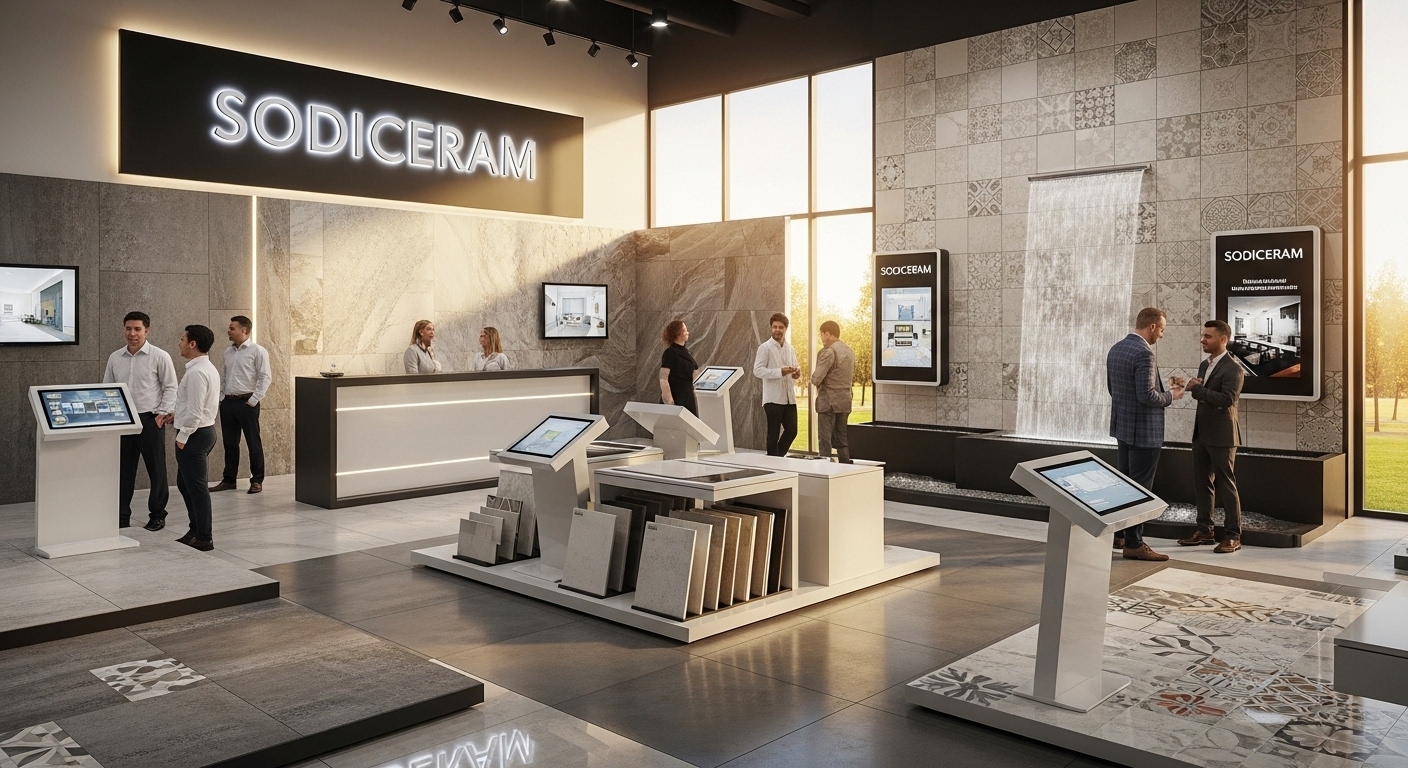
Sodiceram is rapidly emerging as a game-changer in the world of ceramics, offering innovative solutions that blend technology, design, and sustainability. From architectural projects to interior design and industrial applications, sodiceram has become a symbol of quality, creativity, and modern craftsmanship. Its unique properties, versatility, and aesthetic appeal make it a preferred choice for designers, architects, and manufacturers worldwide.
This article delves into everything about sodiceram—its origins, manufacturing processes, applications, design potential, sustainability, and why it’s set to redefine modern ceramic surfaces.
The Origins of Sodiceram
The concept of sodiceram was developed to address the growing demand for ceramics that combine durability with aesthetic flexibility. Traditional ceramic production focused primarily on functional aspects, such as resistance and usability. Sodiceram, however, integrates advanced material science to deliver surfaces that are not only strong and durable but also visually striking.
Originating from European research laboratories specializing in ceramic innovation, sodiceram was designed to serve both industrial and creative needs. The material quickly gained attention for its ability to mimic natural textures, such as stone or wood, while providing the high durability of engineered ceramics.
Read: sérya
Today, sodiceram is manufactured in cutting-edge facilities that emphasize precision, quality control, and sustainable production practices. Its success lies in marrying artistry with technology—a combination that allows endless possibilities in modern design.
What Makes Sodiceram Unique
Sodiceram stands out from conventional ceramic materials due to several key characteristics:
- Durability: Its composition provides exceptional strength, making it resistant to scratches, stains, and wear.
- Aesthetic Versatility: It can replicate natural materials like marble, wood, and stone with remarkable realism.
- Heat and Chemical Resistance: Perfect for kitchen countertops, industrial surfaces, and areas exposed to high temperatures or chemicals.
- Eco-Friendly Production: Many sodiceram products are produced using sustainable methods, reducing environmental impact.
These qualities position sodiceram as a superior choice in both residential and commercial settings, allowing designers to achieve aesthetic ambitions without compromising on functionality.
Manufacturing Process of Sodiceram
The production of sodiceram involves several precise and innovative steps:
- Raw Material Selection: High-quality clays, minerals, and additives are carefully chosen to ensure consistency and durability.
- Forming and Shaping: Advanced molding and pressing techniques shape the ceramic panels or tiles with exact dimensions.
- High-Temperature Firing: The material is fired at extremely high temperatures, enhancing strength and surface resistance.
- Surface Finishing: Modern digital printing and glazing technologies are applied to create textures, colors, and patterns that mimic natural materials.
- Quality Control: Each batch undergoes rigorous testing for durability, aesthetic quality, and consistency.
The combination of traditional ceramic techniques with digital innovation allows sodiceram to achieve an unparalleled blend of strength and design sophistication.
Applications of Sodiceram
The versatility of sodiceram allows it to be used in a wide range of applications:
1. Architectural Surfaces
Sodiceram is ideal for both exterior and interior architectural applications. Its durability and weather resistance make it suitable for facades, wall cladding, and outdoor tiles. Architects increasingly choose sodiceram for its ability to provide modern aesthetics without sacrificing long-term performance.
2. Interior Design
In interior spaces, sodiceram is used for flooring, wall coverings, and decorative panels. Its realistic textures and customizable finishes allow designers to achieve luxurious, natural-looking interiors with minimal maintenance.
3. Kitchen and Bathroom Surfaces
The heat and chemical resistance of sodiceram make it perfect for countertops, backsplashes, and sinks. Unlike traditional stone surfaces, sodiceram offers superior durability with easy-to-clean properties, making it ideal for busy households and commercial kitchens.
4. Industrial Applications
Sodiceram is increasingly used in industrial environments that require strong, resistant surfaces. Laboratories, manufacturing units, and healthcare facilities benefit from its chemical and scratch resistance, ensuring longevity and safety.
5. Furniture and Decorative Items
Beyond large surfaces, sodiceram is used to create furniture, tabletops, and bespoke decorative elements. Designers appreciate its combination of beauty and functionality, which allows for innovative design projects that stand out.
Design Potential and Creativity with Sodiceram
One of the key advantages of sodiceram is its design flexibility. Unlike traditional ceramics, which are often limited in color and texture, sodiceram offers virtually limitless customization:
- Pattern Printing: Digital printing technology allows intricate patterns, geometric designs, or natural textures.
- Color Variation: Designers can choose from subtle tones to vibrant, bold colors.
- Texture Simulation: The surface can replicate wood grains, marble veining, or stone textures with realistic depth.
- Large-Format Panels: Sodiceram can be produced in large panels, reducing seams and creating a seamless appearance.
This flexibility has made sodiceram a favorite among interior designers and architects looking for cutting-edge materials that combine practicality and aesthetics.
Sustainability and Environmental Benefits
Sodiceram production often emphasizes eco-friendly practices. Many manufacturers use recycled raw materials and employ energy-efficient firing techniques. Additionally, sodiceram’s long lifespan reduces the need for frequent replacement, lowering material consumption over time.
By choosing sodiceram, architects, designers, and homeowners contribute to a more sustainable construction and design approach, while still achieving high-end finishes and durability.
Comparing Sodiceram with Other Materials
When compared to natural stone, porcelain, or traditional ceramics, sodiceram offers several advantages:
| Feature | Sodiceram | Natural Stone | Porcelain | Traditional Ceramics |
| Strength | Very High | High | High | Moderate |
| Texture Options | Unlimited | Limited | Moderate | Limited |
| Maintenance | Low | Moderate | Low | Moderate |
| Heat & Chemical Resistance | Excellent | Good | Excellent | Moderate |
| Sustainability | High | Moderate | Moderate | Moderate |
This comparison highlights why sodiceram is gaining traction in high-end architecture and design markets.
Global Trends in Sodiceram Usage
The demand for sodiceram is increasing globally due to several trends:
- The rise of luxury interior design and high-end residential projects.
- Growing interest in durable, low-maintenance surfaces.
- Increased use of digital printing and custom finishes in design.
- Adoption of sustainable materials in construction and design projects.
Countries with advanced architectural industries, such as Italy, Spain, and the United States, have seen a surge in sodiceram installations in both commercial and residential projects.
Tips for Choosing Sodiceram Products
When selecting sodiceram for a project, consider the following:
- Check for Authenticity: Ensure the product is from a reputable manufacturer.
- Evaluate Finish Options: Choose textures and colors that match your design vision.
- Consider Application: Confirm that the specific sodiceram product is suitable for the intended surface (floor, wall, countertop, etc.).
- Assess Maintenance Needs: Even though sodiceram is low-maintenance, some finishes may require specific cleaning methods.
- Plan for Large Panels: If using large-format sodiceram panels, ensure proper installation techniques to minimize seams and maximize visual impact.
Sodiceram in Architecture and Interior Projects
Many leading architects and interior designers are using sodiceram to create visually striking projects. Its combination of durability, versatility, and aesthetic appeal makes it ideal for:
- Luxury hotels and resorts
- Modern office spaces
- Residential high-end kitchens and bathrooms
- Commercial retail spaces
- Public buildings and cultural centers
Sodiceram’s adaptability allows designers to achieve bold, innovative results while ensuring longevity and low maintenance.
Maintenance and Longevity
Sodiceram is designed to last. Its durability makes it resistant to scratches, stains, and impacts. Cleaning is typically simple, requiring only mild soap and water. Because it does not absorb liquids like some natural stones, sodiceram resists mold, bacteria, and discoloration, making it suitable for hygienic environments such as kitchens, bathrooms, and laboratories.
With proper care, sodiceram surfaces can maintain their beauty and functionality for decades, making it a smart investment in both residential and commercial projects.
The Future of Sodiceram
As materials technology evolves, sodiceram is likely to see continued innovation:
- Smart Ceramics: Integration with technology for temperature control, self-cleaning surfaces, or interactive features.
- Expanded Applications: Use in furniture, art installations, or industrial design.
- Enhanced Sustainability: Continued development of eco-friendly materials and low-energy manufacturing processes.
Sodiceram’s combination of beauty, durability, and versatility ensures it will remain a leading choice in modern architecture, design, and industrial applications.
Conclusion
Sodiceram represents the future of ceramic materials, blending strength, aesthetics, and sustainability in one innovative package. From luxury interiors to functional industrial surfaces, sodiceram offers unmatched versatility and design potential.
Its realistic textures, customizable finishes, and eco-friendly production make it a preferred choice for architects, designers, and homeowners looking for modern, long-lasting surfaces. As the global demand for high-quality, durable, and visually striking materials continues to rise, sodiceram is set to redefine what modern ceramics can achieve.
Whether used in cutting-edge architecture, interior design, or industrial applications, sodiceram proves that innovation, style, and functionality can coexist in the perfect ceramic solution.