 By codebitmatrix@gmail.com
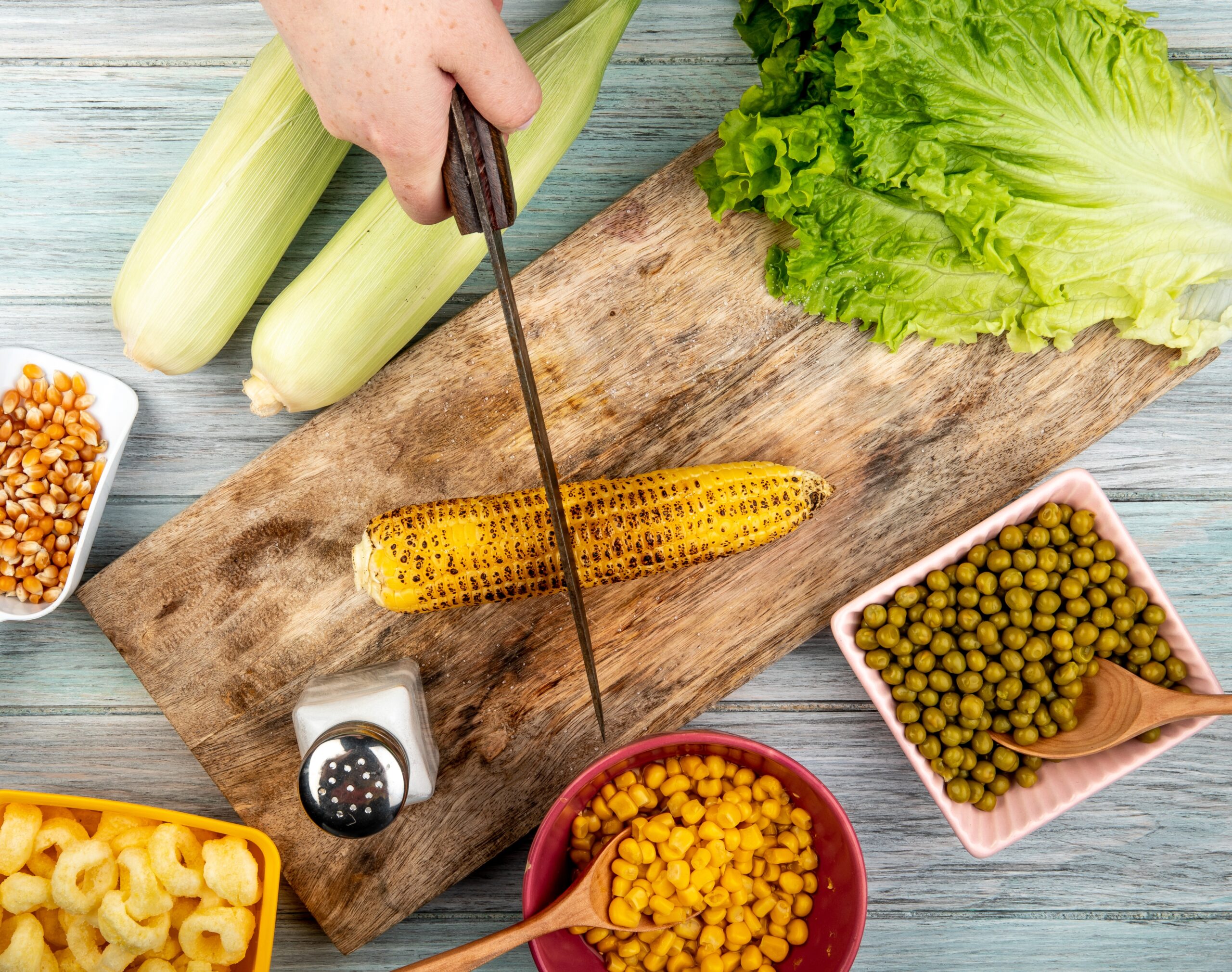
starch of maize is one of the most widely used carbohydrate-based substances in the world, playing a crucial role in food production, industrial manufacturing, pharmaceuticals, and biotechnology. Extracted from corn (maize), this fine white powder is known for its thickening, stabilizing, and binding properties. It is a natural polymer made primarily of amylose and amylopectin, two glucose-based components that give it unique functional characteristics.
From everyday cooking to large-scale industrial applications, starch of maize has become an essential ingredient in modern life. Its versatility, affordability, and availability make it one of the most important agricultural derivatives globally. This article explores everything about starch of maize, including its production process, properties, applications, benefits, and future significance.
What is starch of maize?
starch of maize is a carbohydrate extracted from the endosperm of corn kernels. It is stored by the corn plant as an energy reserve and is separated during wet milling or dry processing methods. The starch is purified, dried, and converted into a fine powder used in numerous industries.
Read: Mafaldine
Chemically, starch of maize consists mainly of:
- Amylose (20–30%) – a linear glucose polymer
- Amylopectin (70–80%) – a branched glucose polymer
These two components determine its texture, viscosity, and behavior when heated or mixed with water.
Production process of starch of maize
The production of starch of maize involves several important stages designed to separate starch from other components of corn.
1. Cleaning and soaking
Corn kernels are first cleaned to remove impurities such as dust, stones, and debris. They are then soaked in warm water containing a small amount of sulfur dioxide. This softens the kernels and helps loosen the starch.
2. Grinding
The softened kernels are ground to separate the germ from the rest of the grain. The germ is used for producing corn oil, while the remaining mixture contains starch, fiber, and protein.
3. Separation
The mixture undergoes a separation process where fiber and gluten are removed. This leaves behind a starch-rich slurry.
4. Purification
The starch slurry is washed repeatedly to remove proteins and other impurities. This step ensures high-quality starch of maize.
5. Drying
The purified starch is dried and processed into a fine white powder.
6. Packaging
Finally, the starch is packaged for use in food industries, pharmaceuticals, and other applications.
Physical and chemical properties
starch of maize has several distinctive properties that make it highly useful:
- White, odorless, and tasteless powder
- Insoluble in cold water
- Forms a gel when heated with water
- High viscosity when cooked
- Biodegradable and non-toxic
- Stable under normal storage conditions
These characteristics allow it to function as a thickening agent, stabilizer, and binder in many products.
Uses of starch of maize
starch of maize is used in a wide range of industries due to its versatility.
1. Food industry
One of the most common uses is in food preparation. It is used to:
- Thicken soups, sauces, and gravies
- Improve texture in baked goods
- Stabilize processed foods
- Prevent lump formation in powdered foods
- Enhance moisture retention in desserts
It is also a key ingredient in products like puddings, custards, and pie fillings.
2. Pharmaceutical industry
In medicine production, starch of maize is used as:
- A binder in tablet formulation
- A disintegrant to help tablets dissolve
- A filler in capsules
- A stabilizer in syrups and suspensions
Its non-toxic nature makes it safe for human consumption.
3. Paper and textile industry
starch of maize plays an important role in manufacturing:
- Paper coating and strengthening
- Textile finishing and sizing
- Improving fabric stiffness and smoothness
It enhances product quality and durability.
4. Industrial applications
In industries, it is used for:
- Adhesive production
- Biodegradable plastics
- Packaging materials
- Biopolymer development
Its eco-friendly nature makes it a sustainable alternative to synthetic chemicals.
5. Biotechnology and research
starch of maize is also used in laboratories for:
- Microbial culture growth
- Enzyme studies
- Biochemical research
Nutritional aspects
Although starch of maize is not consumed directly as a nutrient-rich food, it is an important source of carbohydrates. When consumed through processed foods, it provides energy in the form of glucose.
However, excessive intake of refined starch-based products may contribute to:
- Weight gain
- Blood sugar spikes
- Reduced nutritional balance
Therefore, it should be consumed in moderation as part of a balanced diet.
Benefits of starch of maize
starch of maize offers several advantages across industries:
1. Cost-effective
It is inexpensive to produce, making it accessible for large-scale use.
2. Versatile
It can be used in food, medicine, and industrial applications.
3. Eco-friendly
Being biodegradable, it reduces environmental impact compared to synthetic alternatives.
4. Safe and non-toxic
It is generally recognized as safe for consumption and industrial use.
5. High availability
Since maize is widely cultivated, starch production is consistent and reliable.
Limitations of starch of maize
Despite its benefits, starch of maize has some limitations:
- Poor solubility in cold water
- Limited nutritional value
- May cause allergies in rare cases
- Can lose effectiveness under extreme heat or pH conditions
These limitations are often addressed through modification or blending with other starches.
Modified starch of maize
To improve its performance, starch of maize is often chemically or physically modified. Modified starches offer enhanced properties such as:
- Improved stability
- Better thickening ability
- Resistance to heat and acid
- Longer shelf life
These versions are widely used in processed foods and industrial products.
Environmental impact
starch of maize is considered environmentally friendly due to its renewable origin and biodegradability. It plays a key role in developing sustainable alternatives to plastic and synthetic materials.
Bioplastics made from maize starch are increasingly used in packaging industries to reduce pollution and plastic waste.
Future of starch of maize
The demand for starch of maize is expected to grow significantly in the coming years due to:
- Expansion of processed food industries
- Growth of pharmaceutical manufacturing
- Increased use in biodegradable materials
- Advancements in biotechnology
Researchers are also exploring innovative uses such as nanotechnology applications and bio-based energy solutions.
Conclusion
starch of maize is a vital natural product with widespread applications in food, medicine, industry, and environmental sustainability. Derived from one of the world’s most important crops, it offers versatility, affordability, and eco-friendly benefits.
From thickening sauces in kitchens to supporting pharmaceutical production and developing biodegradable materials, starch of maize continues to play a critical role in modern society. As technology advances, its importance is expected to grow even further, making it a key resource for a sustainable future.