 By codebitmatrix@gmail.com
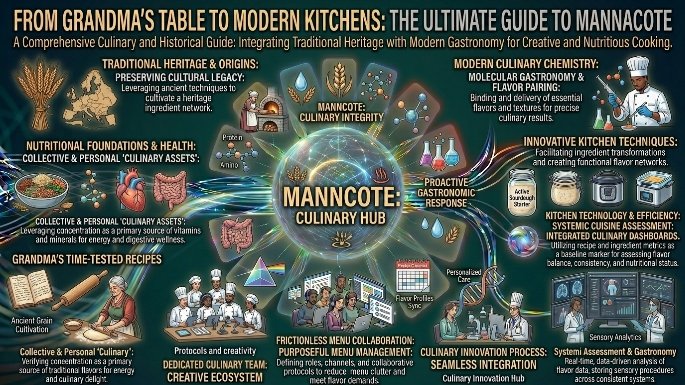
There are certain dishes that transcend mere sustenance. They are edible time machines, capable of transporting you back to your grandmother’s kitchen with a single, savory bite. In the world of Italian-American cooking, few dishes hold this power quite like mannacote. This isn’t just another pasta recipe; it’s a warm, cheesy, and deeply satisfying tradition that has graced family dinner tables for generations. Whether you’re a seasoned home cook looking to revisit a childhood classic or a curious beginner eager to learn what all the fuss is about, this comprehensive guide will take you through everything you need to know about mannacote. From its fascinating origins and key differences from similar dishes to a foolproof recipe and modern creative twists, let’s dive into the heart of this ultimate comfort food.
What Exactly is Mannacote?
To put it simply, mannacote is a baked pasta dish that features large, tube-shaped shells. These tubes are generously stuffed with a creamy, flavorful mixture—most often ricotta cheese blended with mozzarella and Parmesan. The filled tubes are then nestled in a baking dish, smothered in a rich tomato sauce (like marinara), topped with even more cheese, and baked until the sauce is bubbly and the top is gloriously golden. What emerges from the oven is a hearty, crowd-pleasing casserole that embodies the very essence of comfort food.
The word mannacote might look a little unusual at first. You are far more likely to recognize the name “Manicotti,” which is the standardized Italian name for this dish, meaning “little sleeves”. Mannacote is understood to be a regional adaptation or a phonetic variation of Manicotti. In Italian-American communities, particularly in the Northeast, recipes and names were often passed down orally. As a result, mannacote is the affectionate, familial way many “nonnas” (grandmothers) referred to the dish. So, while you may find it spelled as “Manicotti” in a cookbook, in the homes where it’s made with love and heritage, it’s often mannacote.
The Origins of Mannacote
The journey of mannacote is a story of immigration and innovation. While its heart is undeniably Italian, the dish is largely a beloved Italian-American creation. The concept of stuffed pasta is ancient in Italy, but the specific, robust, oven-baked casserole we know as mannacote really came into its own when Italian immigrants arrived in the United States in the late 19th and early 20th centuries. They brought with them cherished family recipes and the idea of using fresh pasta sheets to create cannelloni. However, in their new homeland, they adapted to what was readily available. Dried, store-bought pasta tubes became a convenient and sturdy vessel, and the dish evolved into the hearty, sauce-heavy bake we love today. Mannacote thus represents a beautiful blending of old-world traditions with new-world practicality and taste. It’s a testament to how families held onto their heritage while embracing their new life, creating a dish that is now a staple of Sunday dinners and festive holidays like Christmas and Easter.
Key Ingredients of Authentic Mannacote
The magic of mannacote lies in its simplicity. It doesn’t require exotic ingredients, just a handful of high-quality staples that come together to create something extraordinary.
-
The Pasta: You will need large, hollow pasta tubes, typically labeled as “manicotti” shells. They are often ridged, which helps them hold onto the sauce. Some very traditional recipes use homemade crepes (crespelle), but the dry pasta tubes are the most common and convenient option for mannacote today.
-
The Filling: The soul of mannacote is its creamy filling. The base is always whole-milk ricotta cheese for the best texture. To this, you add shredded mozzarella for that iconic cheese pull and grated Parmesan for a salty, nutty kick. A beaten egg is often mixed in as a binder to hold everything together. For added flavor, you can incorporate fresh herbs like parsley or basil, a clove of minced garlic, and a pinch of black pepper.
-
The Sauce: A good marinara or tomato sauce is essential. You can certainly use a high-quality store-bought brand, but a slow-simmered homemade sauce will elevate your mannacote to new heights. The sauce should be flavorful but not too watery, as it will thicken slightly as it bakes.
-
The Topping: Before the dish goes into the oven, it gets one final shower of mozzarella and Parmesan cheese. This melts and browns, creating a deliciously irresistible crust on your mannacote.
How to Make Mannacote: A Step-by-Step Recipe
Making mannacote is a simple process that yields spectacular results. This recipe serves about 6 people.
Ingredients:
-
12 manicotti pasta shells (for your mannacote)
-
15 oz whole-milk ricotta cheese
-
2 cups shredded mozzarella cheese, divided
-
½ cup grated Parmesan cheese, divided
-
1 large egg, lightly beaten
-
2 tbsp fresh parsley, chopped
-
1 clove garlic, minced
-
Salt and pepper to taste
-
3 cups marinara sauce
-
1 tbsp olive oil
Instructions:
-
Preheat and Prepare: Preheat your oven to 375°F (190°C). Grease a 9×13-inch baking dish with olive oil.
-
Cook the Pasta: Bring a large pot of salted water to a boil. Add your mannacote shells and cook them for about 5-6 minutes. You want them just shy of al dente, as they will continue to cook in the oven. This prevents them from becoming mushy. Drain and place them on a parchment-lined tray to cool slightly so they are easier to handle.
-
Make the Filling: In a medium bowl, combine the ricotta, 1½ cups of the mozzarella, ¼ cup of the Parmesan, the beaten egg, parsley, garlic, salt, and pepper. Mix until everything is well incorporated.
-
Stuff the Shells: This is the most hands-on part of making mannacote. You can use a small spoon or, for easier, cleaner work, transfer your filling to a piping bag or a zip-top bag with a corner snipped off. Gently fill each pasta tube with the ricotta mixture. Be careful not to overstuff them, or they may burst during baking.
-
Assemble the Dish: Spread about 1 cup of marinara sauce evenly over the bottom of your greased baking dish. Place the stuffed mannacote shells in a single layer over the sauce. Pour the remaining sauce over the tops of the shells, making sure they are all covered. Sprinkle with the remaining mozzarella and Parmesan cheeses.
-
Bake: Cover the baking dish with foil and bake for 30 minutes. Then, remove the foil and bake for another 10-15 minutes, until the sauce is bubbly and the cheese on top is melted and golden brown.
-
Rest and Serve: Let your mannacote rest for about 10 minutes before serving. This allows the dish to set slightly, making it easier to portion. Garnish with fresh basil or additional parsley and serve with a side salad and crusty garlic bread.
Mannacote vs. Cannelloni: What’s the Real Difference?
A common point of confusion is understanding how mannacote differs from cannelloni. While they are similar and often used interchangeably, there are key distinctions:
-
Pasta Type: Mannacote typically uses pre-made, dry, ridged pasta tubes. Cannelloni is often made with smooth, fresh pasta sheets that are rolled up around the filling.
-
Texture and Taste: The ridged shells of mannacote create a heartier, more rustic texture, and the ridges are excellent for holding chunky sauces. Cannelloni, especially when made with fresh pasta, has a more delicate, creamy, and melt-in-your-mouth quality.
-
Origin: Mannacote (as Manicotti) is widely considered Italian-American, while cannelloni has stronger roots in traditional Italian cuisine, particularly in southern Italy.
So, when you’re craving a robust, cheesy bake that’s easy to assemble with pantry staples, mannacote is your answer. When you have a little more time to create an elegant, delicate dish, cannelloni might be the choice.
Popular Variations and Modern Twists
The beauty of mannacote is its incredible versatility. Once you master the classic recipe, you can easily adapt it to suit any taste or dietary need.
-
Meat Lover’s Mannacote: Add ½ lb of cooked ground beef, Italian sausage, or even ground turkey to your ricotta filling for a protein-packed version.
-
Spinach and Cheese Mannacote: For a classic vegetarian option, mix a 10-ounce package of thawed, drained, and chopped frozen spinach into the cheese filling. This is one of the most beloved variations of mannacote.
-
Spicy Mannacote: Kick things up a notch by using a spicy arrabbiata sauce instead of marinara, or mix some red pepper flakes and spicy Italian sausage into your filling.
-
Low-Carb and Healthier Options: For a lighter take on mannacote, you can use whole-wheat or legume-based pasta tubes for added fiber. Opt for part-skim ricotta and low-sodium marinara sauce to cut down on fat and salt. You can even experiment by substituting the pasta shells with blanched zucchini slices rolled around the filling for a gluten-free, low-carb version.
Is Mannacote Healthy? A Balanced Look
The question “Is mannacote healthy?” depends entirely on your perspective and preparation methods. A standard serving of mannacote (about two stuffed shells) can range from 400 to 550 calories. It provides a good amount of protein (15-20g) and calcium, but it is also high in carbohydrates (35-45g) and saturated fat (8-12g) due to the cheese and refined pasta.
However, mannacote can certainly be part of a balanced diet. By making smart ingredient swaps as mentioned above (whole-grain pasta, low-fat cheese) and controlling your portion sizes, you can enjoy this comfort food classic without derailing your health goals. Pairing it with a large green salad is also an excellent way to add fiber and essential nutrients to your meal.
Why Mannacote is a Staple in Italian-American Homes
For many families, mannacote represents something far greater than a meal. It is a cultural touchstone, a way to connect with one’s heritage, and a centerpiece for bringing people together. The process of making mannacote—cooking with family, stuffing the shells together, sharing stories around the table—is a ritual as important as the final dish itself. It’s the smell that wafts from the oven on a lazy Sunday afternoon, the bubbling, golden casserole that lands in the middle of the table for a holiday feast, and the comforting taste of tradition that makes you feel at home. Mannacote isn’t just food; it’s love, baked until bubbly and served with a side of family history.
Tips for the Perfect Mannacote
-
Don’t Overcook the Pasta: Cook the shells for less time than the package instructs. They will finish cooking perfectly in the oven.
-
Use a Piping Bag: To avoid a messy kitchen and torn shells, pipe your filling into the pasta tubes using a pastry bag or a plastic bag with a corner cut off.
-
Sauce the Bottom: Always spread a layer of sauce on the bottom of your baking dish. This prevents the mannacote from sticking and ensures the pasta doesn’t dry out.
-
Let it Rest: Allowing the dish to rest after baking helps the flavors meld and makes the casserole easier to cut and serve without falling apart.
The Coating Technique and Other Uses of the Name
Interestingly, in some modern culinary contexts, the term “mannacote” has also evolved to describe a pasta-preparation technique that involves applying a light, starchy coating to pasta to help it bake evenly and better hold onto sauce. However, you will almost always encounter mannacote as the name for the delicious stuffed pasta dish we have explored here.
Conclusion
Mannacote is a timeless dish for a reason. It’s simple, satisfying, and steeped in a rich history of family and tradition. Whether you stick to a classic cheese filling or experiment with meat, spinach, or spice, this baked pasta is guaranteed to become a favorite in your home. More than just a recipe, making mannacote is an opportunity to slow down, cook with love, and share a truly special meal with the people who matter most. So preheat your oven, gather your ingredients, and get ready to experience the ultimate comfort of mannacote.