food
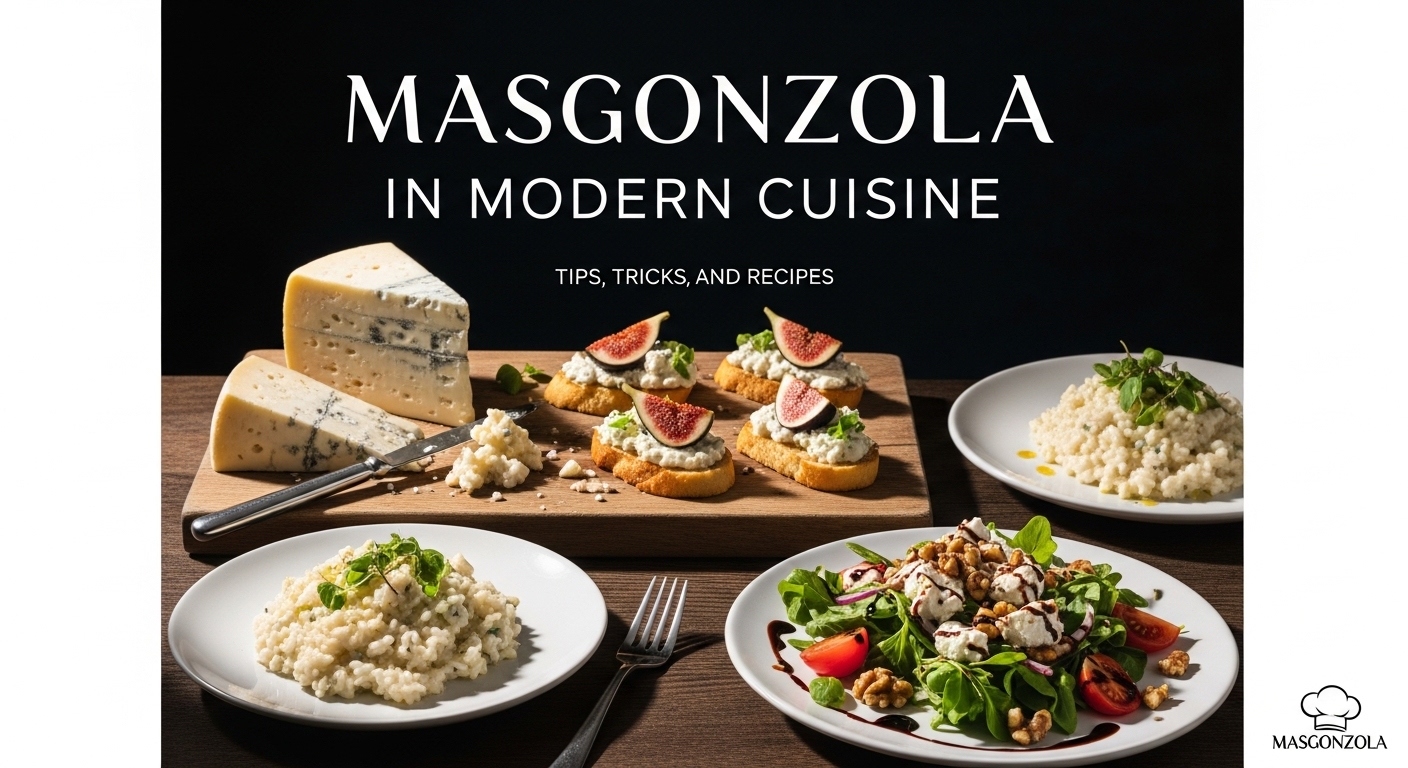
Masgonzola in Modern Cuisine: Tips, Tricks, and Recipes
Masgonzola, a name that might not roll off the tongue as easily as its cousin gorgonzola, is making waves in modern cuisine. This rich and creamy cheese has much to offer—its unique flavor profile and versatility make it a favorite among chefs and home cooks alike. Whether you’re crafting gourmet dishes or looking for that secret ingredient to elevate your everyday meals, masgonzola is here to impress. Dive into the world of this delightful cheese with us; discover its roots, explore its culinary potential, and get inspired with recipes that can transform any dish into something extraordinary!
Understanding Masgonzola in Culinary Context
Masgonzola is a semi-soft cheese originating from Italy, renowned for its rich and tangy flavor. It belongs to the blue cheese family but has a distinctive character that sets it apart. This creamy delight adds depth to dishes, making it an essential ingredient in gourmet cooking.
In culinary contexts, masgonzola shines in both savory and sweet applications. Chefs use it to create sauces that enhance pasta or grilled meats. Its unique taste also complements fruits like pears and figs.
Read: Tahhiini
Food enthusiasts are increasingly recognizing its versatility. Masgonzola can elevate simple recipes into something extraordinary, encouraging home cooks to experiment with new flavors.
Exploring the Traditional Crafting Process of Masgonzola
The traditional crafting process of masgonzola is a meticulous art form passed down through generations. It begins with high-quality cow’s milk, carefully sourced from local farms to ensure freshness and richness in flavor.
Once the milk is warmed, natural rennet and cultures are added, initiating the curdling process. This step requires precision; too much heat or time can alter the cheese’s character.
Afterward, the curds are cut into small pieces and stirred gently to release whey. The resulting texture sets the foundation for what makes masgonzola so unique—its creamy consistency combined with delightful tanginess that captivates palates everywhere.
The Flavor Profile of Masgonzola Demystified
Masgonzola offers a unique blend of flavors that dance on the palate. Its creamy texture is complemented by a tangy and slightly sharp taste, making it distinct from other cheeses.
The cheese’s aging process enhances its flavor complexity, revealing earthy undertones and hints of nuttiness. Each bite brings a rich umami experience, balancing sweetness with savory notes.
Whether crumbled over salads or melted into sauces, masgonzola adds depth to any dish. The contrasting flavors make it versatile enough for both simple meals and gourmet creations. Chefs adore how it elevates everyday cooking to new heights.
Masgonzola’s Appeal to Food Enthusiasts
Masgonzola has captured the hearts of food enthusiasts worldwide. Its unique flavor and texture create a distinct culinary experience that excites the palate. Chefs often seek out masgonzola for its ability to enhance dishes, making it a sought-after ingredient in gourmet kitchens.
The cheese’s versatility is another reason behind its growing popularity. From salads to pasta, masgonzola complements various ingredients beautifully. Food lovers appreciate how it can elevate even the simplest meals into something extraordinary.
Moreover, masgonzola brings an artisanal touch to dining experiences. Its rich history and traditional crafting methods resonate with those who value quality and authenticity in their meals.
Significance of Masgonzola in Modern Culture
Masgonzola has carved out a unique niche in modern culinary culture. This creamy, flavorful cheese is celebrated for its versatility and ability to elevate dishes across various cuisines. It’s not just an ingredient; it’s a conversation starter at dinner parties.
Food enthusiasts are increasingly drawn to masgonzola’s distinct character, often pairing it with wines or incorporating it into gourmet recipes. Social media platforms showcase creative uses of this cheese, inspiring home cooks everywhere.
Restaurants now feature masgonzola on their menus, emphasizing artisanal qualities and local sourcing. Its growing presence reflects a broader trend towards appreciating high-quality ingredients in everyday cooking experiences.
Incorporating Masgonzola into Everyday Cooking
Masgonzola can transform everyday dishes into culinary masterpieces. Its creamy texture lends itself beautifully to sauces, giving pasta a rich, velvety finish. Try stirring it into risotto for an indulgent twist.
For salads, crumbling masgonzola over mixed greens adds depth and flavor. Pair it with fruits like pears or figs for a delightful contrast that excites the palate.
Even breakfast isn’t off-limits! Incorporate masgonzola into scrambled eggs or omelets for a savory kick that elevates your morning routine. Simple swaps can lead to extraordinary meals when this cheese is involved.
Recipes to Elevate Your Meals with Masgonzola
Masgonzola adds a rich, creamy twist to various dishes. Try mixing it into pasta for a luxurious sauce that coats every strand perfectly. Pair the cheese with walnuts and pears in salads for an unexpected flavor explosion.
For appetizers, spread masgonzola on toasted baguette slices topped with honey or fig jam. The sweet contrast enhances its tangy notes beautifully.
Don’t forget breakfast! Crumble masgonzola over omelets or scrambled eggs for an elevated morning treat that will have you coming back for more. Each bite showcases this unique cheese’s versatility and depth of flavor.
Tips and Tricks for Cooking and Serving Masgonzola
When cooking with masgonzola, balance is key. Pair it with sweet ingredients like figs or pears to enhance its rich flavor. A drizzle of honey can elevate your dish beautifully.
For serving, consider temperature. Masgonzola shines at room temperature; this brings out its creamy texture and potent aroma. Serve it on a charcuterie board alongside crusty bread and fresh fruits for an enticing spread.
Don’t shy away from combining masgonzola in sauces or dressings. It melts gracefully into risottos or pasta dishes, adding depth without overwhelming other flavors. Experimenting will lead to delightful discoveries!
Comparing Masgonzola to Other Cheeses
Masgonzola stands out among cheeses for its distinct blend of creaminess and tang. Unlike the sharper profiles of blue cheese, it offers a milder flavor that appeals to many palates. This makes masgonzola an ideal choice for those who enjoy nuanced tastes without overwhelming intensity.
When compared to traditional options like cheddar or gouda, masgonzola brings a unique texture to dishes. Its smoothness adds depth, whether melted over pasta or crumbled atop salads.
Additionally, unlike brie’s soft and buttery characteristics, masgonzola maintains firmness while still being spreadable at room temperature. This versatility enhances various culinary creations effortlessly.
The Growing Popularity of Masgonzola
Masgonzola is experiencing a surge in popularity among cheese lovers worldwide. Its unique flavor and creamy texture are captivating palates, making it a desirable ingredient in various culinary creations.
Social media platforms showcase inventive recipes featuring masgonzola, fueling interest and encouraging home cooks to experiment with this delightful cheese. From gourmet burgers to sophisticated salads, the possibilities are endless.
Restaurants are also embracing masgonzola, incorporating it into specialty dishes that highlight its bold taste. This rising trend reflects a broader appreciation for artisanal cheeses and their role in modern cuisine.
Conclusion
Masgonzola stands out in the culinary world for its unique characteristics and versatility. As chefs and home cooks alike discover its rich flavor, this cheese is carving a permanent niche in modern cuisine. Whether enhancing classic dishes or inspiring new creations, masgonzola invites experimentation.
As you embark on your culinary journey with masgonzola, remember that it pairs beautifully with various ingredients. Its creamy texture and tangy notes can elevate everything from appetizers to main courses. So embrace the creativity that comes with cooking and enjoy every bite of this delightful cheese!
food
starch of maize: Comprehensive Guide to Production, Uses, Benefits, and Industrial Importance
starch of maize is one of the most widely used carbohydrate-based substances in the world, playing a crucial role in food production, industrial manufacturing, pharmaceuticals, and biotechnology. Extracted from corn (maize), this fine white powder is known for its thickening, stabilizing, and binding properties. It is a natural polymer made primarily of amylose and amylopectin, two glucose-based components that give it unique functional characteristics.
From everyday cooking to large-scale industrial applications, starch of maize has become an essential ingredient in modern life. Its versatility, affordability, and availability make it one of the most important agricultural derivatives globally. This article explores everything about starch of maize, including its production process, properties, applications, benefits, and future significance.
What is starch of maize?
starch of maize is a carbohydrate extracted from the endosperm of corn kernels. It is stored by the corn plant as an energy reserve and is separated during wet milling or dry processing methods. The starch is purified, dried, and converted into a fine powder used in numerous industries.
Read: Mafaldine
Chemically, starch of maize consists mainly of:
- Amylose (20–30%) – a linear glucose polymer
- Amylopectin (70–80%) – a branched glucose polymer
These two components determine its texture, viscosity, and behavior when heated or mixed with water.
Production process of starch of maize
The production of starch of maize involves several important stages designed to separate starch from other components of corn.
1. Cleaning and soaking
Corn kernels are first cleaned to remove impurities such as dust, stones, and debris. They are then soaked in warm water containing a small amount of sulfur dioxide. This softens the kernels and helps loosen the starch.
2. Grinding
The softened kernels are ground to separate the germ from the rest of the grain. The germ is used for producing corn oil, while the remaining mixture contains starch, fiber, and protein.
3. Separation
The mixture undergoes a separation process where fiber and gluten are removed. This leaves behind a starch-rich slurry.
4. Purification
The starch slurry is washed repeatedly to remove proteins and other impurities. This step ensures high-quality starch of maize.
5. Drying
The purified starch is dried and processed into a fine white powder.
6. Packaging
Finally, the starch is packaged for use in food industries, pharmaceuticals, and other applications.
Physical and chemical properties
starch of maize has several distinctive properties that make it highly useful:
- White, odorless, and tasteless powder
- Insoluble in cold water
- Forms a gel when heated with water
- High viscosity when cooked
- Biodegradable and non-toxic
- Stable under normal storage conditions
These characteristics allow it to function as a thickening agent, stabilizer, and binder in many products.
Uses of starch of maize
starch of maize is used in a wide range of industries due to its versatility.
1. Food industry
One of the most common uses is in food preparation. It is used to:
- Thicken soups, sauces, and gravies
- Improve texture in baked goods
- Stabilize processed foods
- Prevent lump formation in powdered foods
- Enhance moisture retention in desserts
It is also a key ingredient in products like puddings, custards, and pie fillings.
2. Pharmaceutical industry
In medicine production, starch of maize is used as:
- A binder in tablet formulation
- A disintegrant to help tablets dissolve
- A filler in capsules
- A stabilizer in syrups and suspensions
Its non-toxic nature makes it safe for human consumption.
3. Paper and textile industry
starch of maize plays an important role in manufacturing:
- Paper coating and strengthening
- Textile finishing and sizing
- Improving fabric stiffness and smoothness
It enhances product quality and durability.
4. Industrial applications
In industries, it is used for:
- Adhesive production
- Biodegradable plastics
- Packaging materials
- Biopolymer development
Its eco-friendly nature makes it a sustainable alternative to synthetic chemicals.
5. Biotechnology and research
starch of maize is also used in laboratories for:
- Microbial culture growth
- Enzyme studies
- Biochemical research
Nutritional aspects
Although starch of maize is not consumed directly as a nutrient-rich food, it is an important source of carbohydrates. When consumed through processed foods, it provides energy in the form of glucose.
However, excessive intake of refined starch-based products may contribute to:
- Weight gain
- Blood sugar spikes
- Reduced nutritional balance
Therefore, it should be consumed in moderation as part of a balanced diet.
Benefits of starch of maize
starch of maize offers several advantages across industries:
1. Cost-effective
It is inexpensive to produce, making it accessible for large-scale use.
2. Versatile
It can be used in food, medicine, and industrial applications.
3. Eco-friendly
Being biodegradable, it reduces environmental impact compared to synthetic alternatives.
4. Safe and non-toxic
It is generally recognized as safe for consumption and industrial use.
5. High availability
Since maize is widely cultivated, starch production is consistent and reliable.
Limitations of starch of maize
Despite its benefits, starch of maize has some limitations:
- Poor solubility in cold water
- Limited nutritional value
- May cause allergies in rare cases
- Can lose effectiveness under extreme heat or pH conditions
These limitations are often addressed through modification or blending with other starches.
Modified starch of maize
To improve its performance, starch of maize is often chemically or physically modified. Modified starches offer enhanced properties such as:
- Improved stability
- Better thickening ability
- Resistance to heat and acid
- Longer shelf life
These versions are widely used in processed foods and industrial products.
Environmental impact
starch of maize is considered environmentally friendly due to its renewable origin and biodegradability. It plays a key role in developing sustainable alternatives to plastic and synthetic materials.
Bioplastics made from maize starch are increasingly used in packaging industries to reduce pollution and plastic waste.
Future of starch of maize
The demand for starch of maize is expected to grow significantly in the coming years due to:
- Expansion of processed food industries
- Growth of pharmaceutical manufacturing
- Increased use in biodegradable materials
- Advancements in biotechnology
Researchers are also exploring innovative uses such as nanotechnology applications and bio-based energy solutions.
Conclusion
starch of maize is a vital natural product with widespread applications in food, medicine, industry, and environmental sustainability. Derived from one of the world’s most important crops, it offers versatility, affordability, and eco-friendly benefits.
From thickening sauces in kitchens to supporting pharmaceutical production and developing biodegradable materials, starch of maize continues to play a critical role in modern society. As technology advances, its importance is expected to grow even further, making it a key resource for a sustainable future.
food
Baked Potato Calories: Guide and Nutrition Facts
Potatoes are one of the most widely consumed foods around the world, loved for their versatility, affordability, and comforting taste. Among the many ways to prepare them, baking remains one of the healthiest and simplest methods. However, many people are curious about baked potato calories and how they fit into a balanced diet.
Understanding the nutritional value of a baked potato can help you make better dietary choices, whether you’re trying to lose weight, maintain your health, or simply eat smarter. In this comprehensive guide, we’ll explore everything from calorie content and nutritional benefits to toppings, portion sizes, and diet tips.
What Are Baked Potato Calories?
When people refer to baked potato calories, they are typically talking about the number of calories found in a plain potato that has been cooked in the oven without added fats or oils.
A medium-sized baked potato (about 173 grams) contains approximately:
- 160 to 170 calories
- 37 grams of carbohydrates
- 4 grams of protein
- 0 grams of fat
These numbers can vary depending on the size and type of potato, but overall, baked potatoes are relatively low in calories and high in nutrients.
Nutritional Profile of a Baked Potato
Beyond just baked potato calories, potatoes are packed with essential nutrients that contribute to overall health.
Key Nutrients
- Carbohydrates: Provide energy for daily activities
- Fiber: Supports digestion and gut health
- Vitamin C: Boosts immunity
- Potassium: Helps regulate blood pressure
- Vitamin B6: Supports brain function
Because of this rich nutrient profile, baked potatoes are more than just a source of calories—they are a valuable addition to a healthy diet.
How Cooking Method Affects Calories
The way you cook a potato can significantly impact its calorie content.
Baking vs Other Methods
- Baked Potato: Lowest in added calories when plain
- Fried Potato: High in calories due to oil absorption
- Mashed Potato: Calories increase with butter and cream
- Roasted Potato: Moderate calories depending on oil use
Choosing baking over frying is one of the easiest ways to keep baked potato calories low and maintain a healthier meal.
Impact of Toppings on Calories
While a plain baked potato is relatively low in calories, toppings can quickly increase the total.
Common Toppings and Their Effects
- Butter: Adds significant fat and calories
- Cheese: Increases protein but also calories
- Sour Cream: Adds richness but raises calorie count
- Bacon Bits: High in fat and sodium
- Vegetables: Low-calorie and nutrient-rich
For example, adding butter and cheese can double or even triple baked potato calories, while vegetables like broccoli or spinach add minimal calories.
Are Baked Potatoes Good for Weight Loss?
Baked potatoes can be an excellent choice for weight loss when consumed correctly.
Why They Help
- Low in fat
- High in fiber (especially with skin)
- Filling and satisfying
- Naturally low in calories
Because they keep you full longer, baked potatoes can help reduce overall calorie intake throughout the day.
Portion Control and Serving Size
Portion size plays a major role in determining baked potato calories.
Standard Sizes
- Small (100g): ~90 calories
- Medium (173g): ~160 calories
- Large (300g): ~280 calories
Eating larger portions increases calorie intake, so it’s important to choose a size that fits your dietary needs.
Baked Potato with Skin vs Without Skin
Many people peel their potatoes, but this can affect both nutrition and calorie perception.
With Skin
- Higher fiber content
- More nutrients
- Better satiety
Without Skin
- Slightly fewer nutrients
- Less fiber
- Similar calorie content
Keeping the skin on does not significantly change baked potato calories but greatly enhances nutritional value.
Glycemic Index and Blood Sugar
Potatoes are often discussed in relation to blood sugar levels.
What You Should Know
- Baked potatoes have a high glycemic index
- They can raise blood sugar quickly
- Pairing with protein or fiber helps balance the effect
Despite this, baked potatoes can still be part of a healthy diet when eaten in moderation.
Comparing Baked Potatoes to Other Foods
To better understand baked potato calories, it helps to compare them with other common foods.
Calorie Comparison
- White Rice (1 cup): ~200 calories
- Pasta (1 cup): ~220 calories
- Bread (2 slices): ~160 calories
This shows that baked potatoes are comparable or even lower in calories than many staple foods.
Healthy Ways to Enjoy Baked Potatoes
You don’t have to sacrifice taste to keep baked potato calories under control.
Smart Topping Ideas
- Greek yogurt instead of sour cream
- Steamed vegetables
- Lean protein like chicken or beans
- Herbs and spices for flavor
These options enhance taste while keeping calorie levels reasonable.
Common Myths About Baked Potatoes
There are many misconceptions about potatoes and their role in a healthy diet.
Myth 1: Potatoes Are Fattening
In reality, it’s the toppings and cooking methods that increase calories, not the potato itself.
Myth 2: Carbs Should Be Avoided
Carbohydrates are essential for energy, and potatoes provide complex carbs.
Myth 3: Potatoes Lack Nutrition
Potatoes are rich in vitamins and minerals, making them highly nutritious.
Tips for Reducing Calorie Intake
If you’re watching your diet, here are some simple ways to manage baked potato calories.
Practical Tips
- Avoid heavy toppings
- Use smaller portions
- Pair with lean proteins
- Add vegetables for volume
These strategies help you enjoy baked potatoes without exceeding your calorie goals.
Baked Potatoes in Different Diet Plans
Baked potatoes can fit into various dietary approaches.
Balanced Diet
Provides energy and essential nutrients
Vegetarian Diet
Excellent plant-based option rich in fiber and vitamins
Low-Fat Diet
Ideal due to naturally low fat content
Fitness Diet
Supports energy needs and recovery when paired with protein
Frequently Asked Questions
Are baked potatoes healthier than fried ones?
Yes, because they contain fewer calories and less fat.
Can I eat baked potatoes every day?
Yes, in moderation and with balanced toppings.
Do baked potatoes cause weight gain?
Not by themselves—excess calories from toppings and portions are the main cause.
Conclusion
Understanding baked potato calories is key to making informed dietary choices. A plain baked potato is low in calories, high in nutrients, and incredibly versatile. When prepared and topped wisely, it can be part of a healthy and balanced diet.
Instead of avoiding potatoes, focus on how you prepare and serve them. By controlling portions and choosing nutritious toppings, you can enjoy this classic comfort food without compromising your health goals.
With the right approach, baked potatoes can remain a delicious and guilt-free addition to your meals.
food
Mafaldine: The Ribbon Pasta with a Royal History
Pasta comes in hundreds of shapes, but few capture the imagination and the palate quite like mafaldine. This elegant, ribbon-like pasta features beautifully ruffled edges that look like delicate lace. Beyond its striking appearance, it offers a fascinating origin story rooted in Italian royalty. If you love discovering new ways to elevate your home cooking, understanding this unique pasta shape will transform your next dinner.
This guide explores the rich history, physical characteristics, and culinary uses of mafaldine. We will also share practical cooking tips and delicious recipe ideas to help you bring this regal pasta into your own kitchen.
The Royal History and Cultural Significance
The story of mafaldine begins in Naples, a city famous for its vibrant culinary traditions. Pasta makers in Campania created this shape in the early 20th century to honor Princess Mafalda of Savoy. Born in 1902, Princess Mafalda was the second daughter of King Victor Emmanuel III of Italy. She was known for her elegance and refined taste.
Originally, the pasta makers called this shape “manfredine.” However, they later renamed it “mafaldine” or “reginette” (which translates to “little queens”) to celebrate the princess. The ruffled edges of the pasta were designed to mimic the intricate, wavy lace that adorned the exquisite dresses worn by royalty at the time.
Read: Cevurı 101
Culturally, this pasta holds a special place in Southern Italian cuisine. In Naples, Sunday family dinners often feature rich, slow-cooked meat sauces poured generously over large platters of pasta. Mafaldine became a favored choice for these celebratory meals. The shape feels festive and substantial, making it perfect for gatherings where food is the center of connection and joy. Eating it connects you to a long tradition of Italian craftsmanship, where pasta is not just a vehicle for sauce, but a work of art designed with purpose and pride.
Characteristics of the Pasta
When you look at dry mafaldine, you immediately notice its distinctive structure. It is a long, flat ribbon pasta, similar in width to fettuccine or linguine, but with wavy, crinkled edges on both sides. These ruffled borders are not just for show; they serve a brilliant culinary purpose.
The flat center of the ribbon provides a smooth surface that allows sauces to glide over it. Meanwhile, the ruffled edges act like tiny scoops. They trap small bits of meat, cheese, and vegetables, ensuring that every bite delivers a perfect balance of pasta and sauce.
Furthermore, the wavy edges cook slightly differently than the flat center. The center retains a firm, chewy bite, while the delicate ruffles become incredibly soft and tender. This textural contrast makes eating it a highly enjoyable sensory experience. Unlike smooth pastas that can sometimes feel monotonous, the dual texture of this ribbon pasta keeps your palate engaged from the first bite to the last.
Culinary Uses and Perfect Pairings
Choosing the right sauce for a specific pasta shape is a fundamental rule of Italian cooking. Because mafaldine is a sturdy, wide ribbon with sauce-catching ruffles, it pairs exceptionally well with robust, complex sauces.
Hearty Meat Ragùs
The traditional Neapolitan pairing for this pasta is a rich meat ragù. The wide surface area supports the heavy sauce, while the ruffled edges capture the ground meat and savory tomato base. Whether you use beef, pork, or a combination of both, the pasta stands up to the intense flavors without becoming mushy or lost in the dish.
Creamy and Cheesy Sauces
Cream-based sauces also cling beautifully to the crinkled edges. A rich Alfredo, a decadent gorgonzola sauce, or a simple butter and parmesan emulsion will coat the ribbons perfectly. The ruffles help emulsify the sauce as you toss the pasta in the pan, creating a luxurious, glossy finish.
Earthy Vegetable and Mushroom Pairings
If you prefer vegetarian options, earthy ingredients like wild mushrooms, roasted butternut squash, or wilted spinach work wonderfully. The sturdy nature of the pasta can handle the chunky texture of roasted vegetables, while a light garlic and olive oil base can weave through the ruffles, carrying the savory flavors of the earth.
Practical Cooking Tips
Cooking mafaldine requires a bit of care to preserve its beautiful shape and delicate edges. Follow these practical tips to achieve pasta perfection every time.
Use a Large Pot and Plenty of Water
Because the ribbons are long and wide, they need plenty of space to move around as they cook. Use a large, tall pot and fill it with at least four to five quarts of water. If you crowd the pasta in a small pot, the ribbons will stick together, and the delicate ruffles may tear.
Salt the Water Generously
Pasta water should taste like the sea. Once the water reaches a rolling boil, add a generous handful of kosher salt. The salt seasons the pasta from the inside out. Since this pasta is thick and substantial, it needs adequate seasoning to bring out the natural flavor of the durum wheat.
Do Not Break the Pasta
Just like spaghetti, you should never break the long ribbons before putting them in the pot. Submerge one end into the boiling water and gently push the rest down as the submerged part softens. Keeping the strands long ensures the traditional eating experience and allows the pasta to twirl beautifully on the fork.
Stir Gently
During the first two minutes of cooking, gently stir the pasta with a wooden spoon or tongs. This prevents the ribbons from clumping together. However, be careful not to stir too aggressively, as you do not want to break the delicate wavy edges.
Cook Until Al Dente
Always check the package instructions for the cooking time, but start tasting the pasta two minutes before the suggested time. You want the flat center to retain a slight resistance when you bite into it. The pasta will continue to cook slightly when you toss it with your hot sauce.
Save the Pasta Water
Before you drain the pasta, scoop out a cup of the starchy cooking water. This water is liquid gold. When you mix your pasta and sauce together in a skillet, add a splash of this water. The starch helps bind the sauce to the pasta, creating a silky, cohesive dish.
Recipe Ideas to Inspire You
Now that you know the history and how to cook it, it is time to bring mafaldine into your kitchen. Here are three distinct recipe ideas that highlight the versatility of this royal pasta.
Recipe 1: Classic Neapolitan Beef Ragù
This recipe pays homage to the Southern Italian roots of the pasta. The slow-cooked beef sauce is deeply savory and clings perfectly to the ruffled edges.
Ingredients:
- 1 pound dry mafaldine
- 1 pound ground beef (80% lean)
- 1 large onion, finely chopped
- 2 carrots, finely diced
- 2 celery stalks, finely diced
- 3 cloves garlic, minced
- 1/2 cup dry red wine
- 1 can (28 ounces) crushed San Marzano tomatoes
- 2 tablespoons tomato paste
- 1/4 cup extra virgin olive oil
- Salt and freshly cracked black pepper
- Fresh basil leaves
- Freshly grated Parmigiano-Reggiano
Instructions:
Heat the olive oil in a large Dutch oven over medium heat. Add the onion, carrots, and celery. Cook until the vegetables soften, which takes about ten minutes. Add the garlic and cook for one more minute.
Increase the heat to medium-high and add the ground beef. Break the meat apart with a wooden spoon and cook until heavily browned. Stir in the tomato paste and cook for two minutes to deepen its flavor. Pour in the red wine to deglaze the pan, scraping up any browned bits from the bottom. Let the wine reduce by half.
Pour in the crushed tomatoes. Reduce the heat to low, cover the pot, and let the sauce simmer gently for at least two hours. Check occasionally and add a splash of water if the sauce becomes too thick. Season generously with salt and pepper.
Boil the pasta in heavily salted water until al dente. Drain, reserving half a cup of pasta water. Transfer the pasta directly into the simmering ragù. Toss vigorously, adding pasta water as needed to create a glossy coating. Serve immediately with fresh basil and a heavy dusting of Parmigiano-Reggiano.
Recipe 2: Lemon, Ricotta, and Spinach Ribbons
For a lighter, more vibrant dish, this recipe combines the bright acidity of lemon with the creamy richness of whole milk ricotta.
Ingredients:
- 1 pound dry mafaldine
- 1.5 cups whole milk ricotta cheese
- Zest and juice of 2 organic lemons
- 4 cups fresh baby spinach
- 1/2 cup grated Pecorino Romano
- 1/3 cup extra virgin olive oil
- 2 cloves garlic, smashed
- Pinch of red pepper flakes
- Salt and black pepper
Instructions:
Bring a large pot of salted water to a boil and cook the pasta according to the package directions.
While the pasta cooks, gently warm the olive oil in a large skillet over low heat. Add the smashed garlic cloves and the red pepper flakes. Let the garlic infuse the oil for about five minutes, then remove and discard the garlic cloves.
In a large serving bowl, whisk together the ricotta cheese, lemon zest, lemon juice, and Pecorino Romano. Season with salt and black pepper.
When the pasta is one minute away from being done, toss the fresh baby spinach into the boiling pasta water to wilt it quickly. Reserve one cup of the starchy cooking water, then drain the pasta and spinach together.
Add the hot pasta and spinach to the skillet with the infused oil, tossing quickly. Transfer everything to the large serving bowl with the ricotta mixture. Pour in a quarter cup of the hot pasta water and toss continuously until the cheese melts into a smooth, creamy sauce that coats every ruffle. Add more pasta water if needed. Serve immediately.
Recipe 3: Wild Mushroom and Truffle Cream
This luxurious recipe is perfect for a special date night or a cozy winter dinner. The wavy edges of the pasta hold the rich cream sauce beautifully.
Ingredients:
- 1 pound dry mafaldine
- 1 pound mixed wild mushrooms (cremini, shiitake, oyster), sliced
- 3 shallots, finely minced
- 2 cloves garlic, minced
- 1 cup heavy cream
- 1/2 cup dry white wine
- 3 tablespoons unsalted butter
- 2 tablespoons olive oil
- 1 teaspoon truffle oil (optional, but recommended)
- Fresh thyme leaves
- Salt and black pepper
- Grated Parmesan cheese
Instructions:
Heat the butter and olive oil in a large, wide skillet over medium-high heat. Add the sliced mushrooms in a single layer. Let them cook undisturbed for four minutes so they develop a deep brown crust. Stir and continue cooking until all the moisture evaporates.
Add the minced shallots and garlic to the mushrooms. Cook for three minutes until fragrant and softened. Pour in the white wine to deglaze the pan, letting it bubble until mostly evaporated.
Lower the heat and pour in the heavy cream and fresh thyme leaves. Let the sauce simmer gently until it thickens slightly. Season with salt and a generous amount of black pepper.
Cook the pasta in boiling salted water until al dente. Reserve some pasta water, then drain the noodles. Add the pasta directly into the mushroom cream sauce. Toss well, adding a splash of pasta water to loosen the sauce if necessary. Remove the skillet from the heat and stir in the truffle oil. Serve hot, topped with extra thyme and grated Parmesan.
Elevating Your Pasta Experience
Mafaldine represents the very best of Italian culinary ingenuity. It combines a beautiful, visually striking shape with an incredibly practical design that elevates whatever sauce it touches. From its royal origins in Naples to its modern presence on dinner tables around the world, this ribbon pasta continues to delight home cooks and professional chefs alike.
By taking the time to understand its history and pairing it with the right ingredients, you transform a simple weeknight dinner into a memorable feast. The next time you walk down the pasta aisle, look past the standard spaghetti and penne. Reach for the wavy, ruffled ribbons instead. Whether you choose to simmer a rich, slow-cooked beef ragù, whip up a bright lemon ricotta sauce, or indulge in a decadent mushroom cream, mafaldine will make your meal feel truly fit for royalty.
-
Entertainment2 months ago
sosoactive: The Evolution of a Digital Entertainment and Urban Culture Platform
-
Health3 months agoProvascin: The Comprehensive Guide to Its Benefits, Uses, and Effects
-
Technology3 months agotumbons: A Complete Guide to Understanding Its Meaning, Uses, and Growing Importance
-
cultural3 months agoHitaar: Exploring Innovation, Culture, and Modern Applications
-
Technology1 month agoSFM Compile: A Complete Guide to Rendering, Exporting, and Fixing Errors in Source Filmmaker
-
lifestyle2 months agosérya: Exploring the Emerging Digital Phenomenon
-
Technology2 months agowechat mini program event tickets: A Complete Guide to Selling and Managing Event Access in China
-
food2 months agoBjudlunch: The Ultimate Guide to Hosting, Recipes, and Tips